2025
#36 – December 2025
Affective polarization in 🇹🇷 – Public support for taxing the super-rich in the 🇺🇸 – Young MPs’ issue focus in 🇩🇪 – Support for left parties in 🇦🇺🇩🇰🇩🇪🇸🇪🇨🇭🇬🇧 – MPs’ estimates of public opinion in 🇩🇰 & the 🇳🇱
In Turkish Studies, Aytac et al show electorate is very polarized prior to 2013 election in 🇹🇷 – HDP and AKP voters are most polarized. Governing AKP maintained affective polarization to secure votes, which undermines democratic accountability
Aytaç, S. E., Irmak, S., and Söylemez-Karakoç, B. 2025. “The polarised electorate: affective polarisation and electoral loyalty in Turkey’s 2023 critical election.” South European Society and Politics. https://doi.org/10.1080/13608746.2025.2597287. 

In German politics, @robrentrop.bsky.social finds that Bundestag MPs aged 31–40 were significantly more likely to raise youth issues (2013–17), regardless of election mode or tenure. One of the first empirical tests that more young MPs increases youth engagement.
Rentrop, Robin J. 2025. “Do Young MPs Represent Young Voters? A Quantitative Text Analysis of Substantive Youth Representation in the Bundestag.” German Politics, November, 1–36. doi:10.1080/09644008.2025.2584401  .

In @bjpols.bsky.social Hope @julianlimberg.bsky.social & @lhaffert.bsky.social conduct a survey experiment in 🇺🇸. Informing about (the low) taxes paid by the super-rich not only increases willingness to tax them, but also reduces support for taxing middle class
Hope, David, Julian Limberg, and Lukas Haffert. 2026. “The Hidden Cost of Tax Regressivity at the Top.” British Journal of Political Science 56: e2. https://doi.org/10.1017/S0007123425101269 .

In JEPP, @alexanderhorn.bsky.social & co-authors study equality & party competition. Text & election data in 🇦🇺🇩🇰🇩🇪🇸🇪🇨🇭🇬🇧. Show center-left parties can gain votes by emphasizing econ. equality & equal rights, postmaterialist left parties only by emphasizing the latter.
Horn, Alexander, Carsten Jensen, and David Weisstanner. 2026. “Winning with Equality: How Left-Wing Parties Attract Votes but Amplify Electoral Cleavages.” Journal of European Public Policy, January 14, 1–26. https://doi.org/10.1080/13501763.2026.2614069 .

Can MPs read “the public”? In @thejop.bsky.social, @simonotjes.bsky.social & @annerasmussen.bsky.social compare MPs’ estimates of public opinion with actual opinion on policy. They find reps project their own views onto the public, while business ties have little effect.
Otjes, Simon, and Anne Rasmussen. 2026. ‘Sources of Elected Representatives’ (Mis)Perceptions of Public Opinion: The Role of Self-Projection and Interest Groups’. The Journal of Politics 88 (1): 79–93. https://doi.org/10.1086/734528.

#35 – November 2025
Politician background and biased perceptions in 🇨🇭 – Redistribution and Deservingness between places/people 🇳🇴 – Ideological capture in the 🇺🇸 – Honest MP responses to lobbying in 🇩🇪 – Homeownership & voting behavior
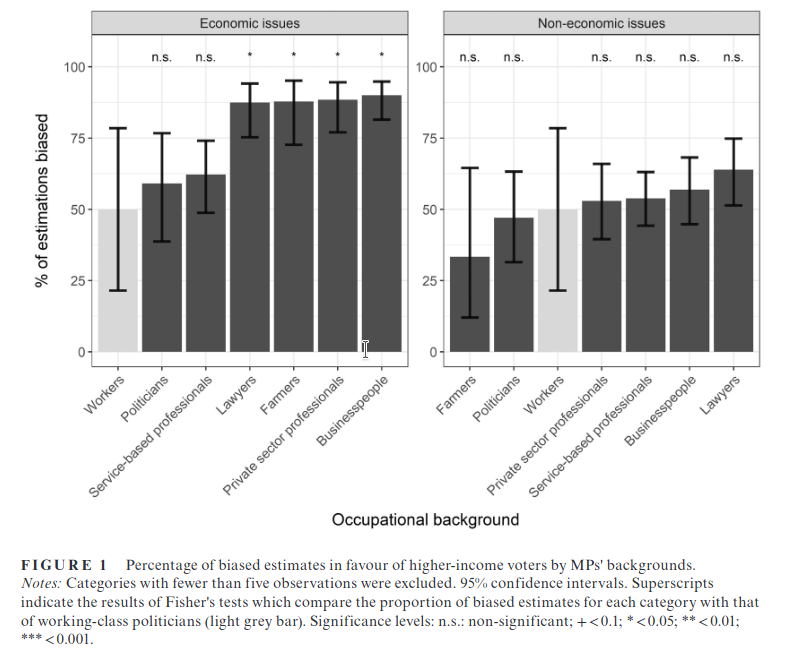
In @spsr.bsky.social, @awenig.bsky.social studies drivers of biases of politicians’ perceptions of public opinion in favor of the rich. Matching elite & citizen surveys in 🇨🇭. Strong bias on economic issues driven by politician occupational background not lobby contact.
Marié, Awenig. n.d. “Why Do Politicians Overestimate Richer Voters’ Opinions? Social Background and Interest Group Influence.” Swiss Political Science Review. https://doi.org/10.1111/spsr.70021 .
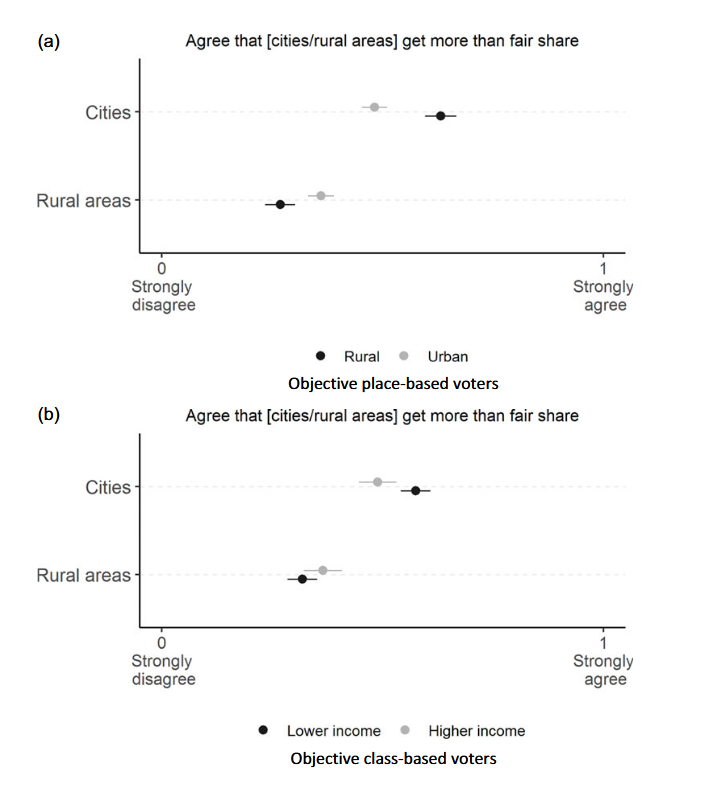
In @ejprjournal.bsky.social, M. R. Eidheim expands class-based grievance to spatial perception of redistribution & deservingness. Via 3 survey experiments, she shows rural/working-class voters believe urban areas get disproportionate resources in 🇳🇴.
Eidheim, Marta R. “Redistribution between people and places: Conflict or consensus among rural and working-class voters?.” European Journal of Political Research (2025): 1-21.https://doi.org/10.1017/S1475676525100339
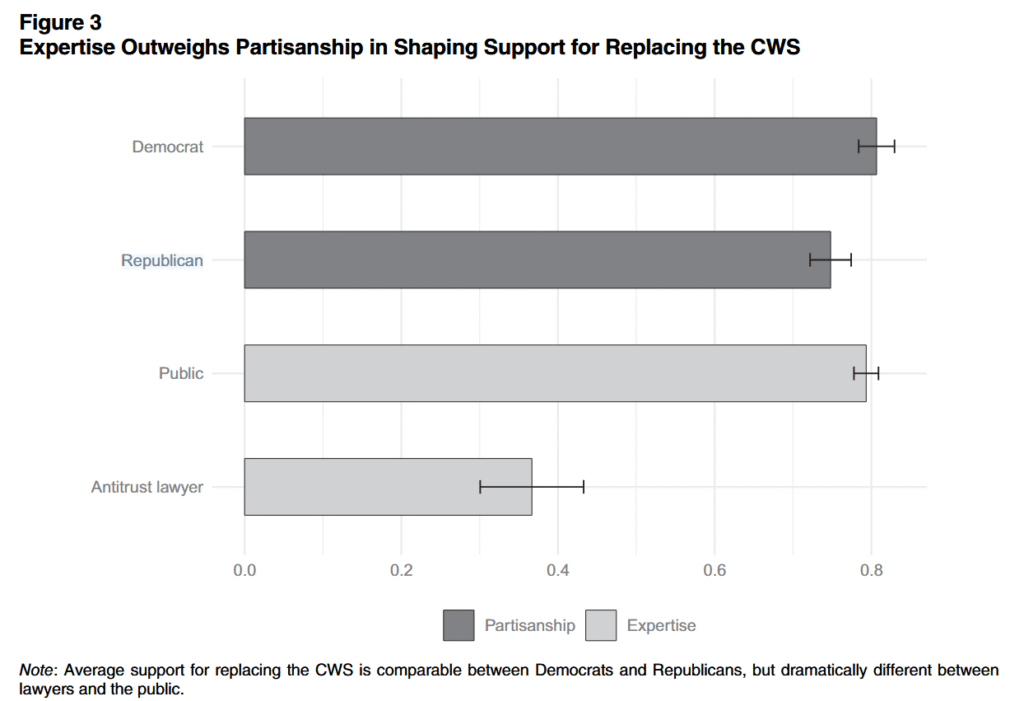
In @poppublicsphere.bsky.social Short, @sophieehill.bsky.social & Brown advance theory of ideological capture (IC). Use 🇺🇸 antitrust policy case with original survey of citizens & lawyers. Among others, IC characterized by cleavage in policy support between experts & public
Short, Nicholas, Sophie Hill, and Jacob Brown. “What Is Ideological Capture and How Do We Measure It? Using Antitrust Reform to Understand Expert–Public Cleavages.” Perspectives on Politics, November 17, 2025, 1–21. https://doi.org/10.1017/S153759272510323X .
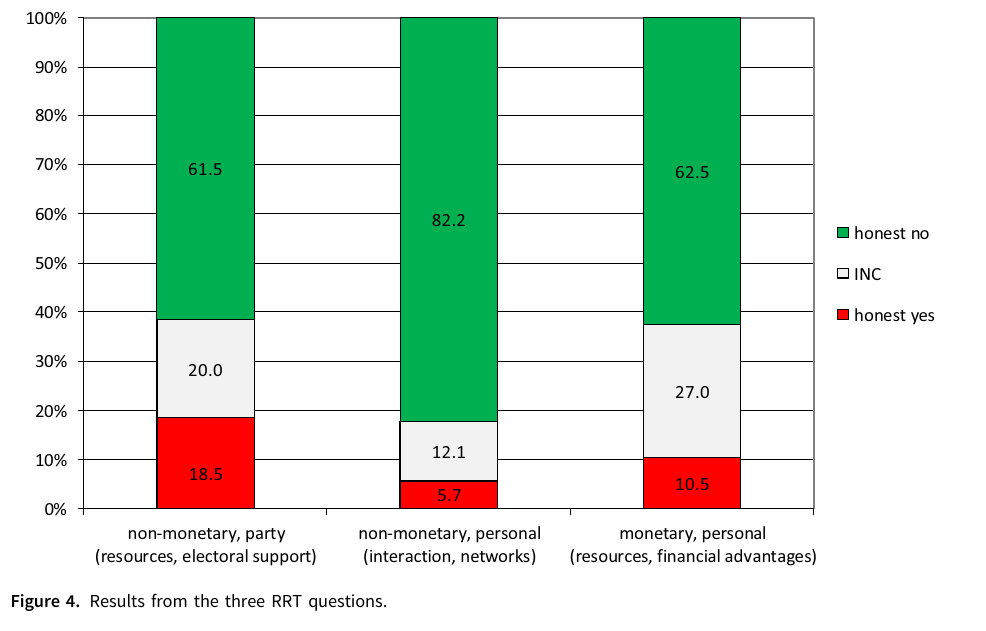
In @ejprjournal.bsky.social Pitsch & Wenzelburger estimate MP response to lobbying using randomized response technique to elicit honest answers by ensuring anonymity. Anonymity ensured by lumping answers with yes answers to other questions. Find small response to lobbying
Pitsch, Werner, and Georg Wenzelburger. 2025. “Studying Honest Answers to Sensitive Issues in Politics New Evidence on Lobbying Influence.” European Journal of Political Research, November 21, 1–16. https://doi.org/10.1017/S1475676525100431 .
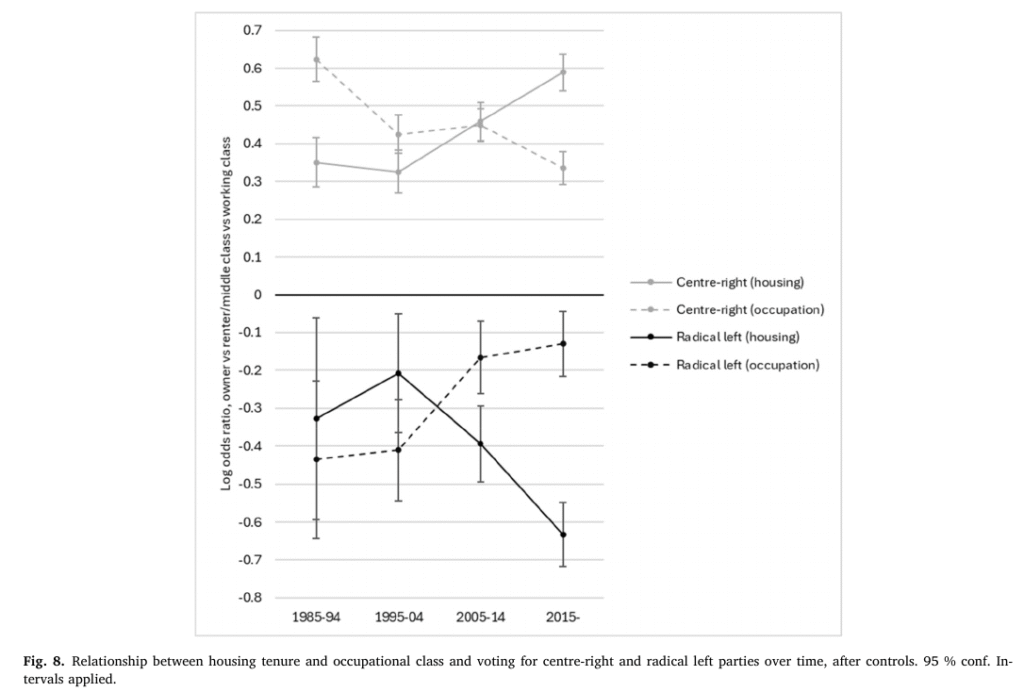
In @electoralstudies.bsky.social, @joshgoddard98.bsky.social studies influence of homeownerhip on voting behavior. Housing & election data from 14 countries. Results show homeowners are increasingly more likely to vote for center-right parties & renters for radical left parties.
Goddard, Josh. 2026. “Housing and Electoral Behaviour: The Changing Face of Class Voting in Advanced Democracies.” Electoral Studies 99 (February): 103009. https://doi.org/10.1016/j.electstud.2025.103009 .
#34 – October 2025
Left parties and working class support – Tax base inequality in 🇺🇸 – Revolving door in 🇯🇵 – Tax Compliance in 🇨🇱 – framing budget cuts in 🇩🇰
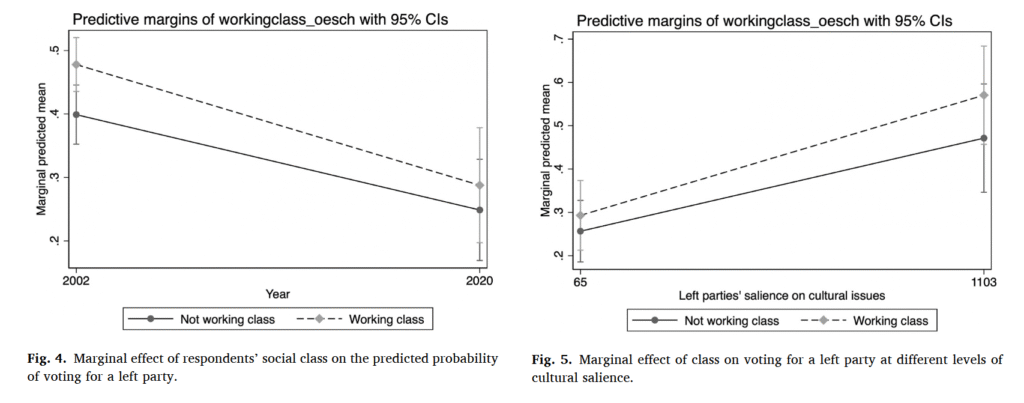
In @electoralstudies.bsky.social, @fedetrastulli.bsky.social argues while left parties lost working-class votes between 2002-2020, those emphasizing cultural issues still attract working-class voters. Culture but not class explain workers’ support for the left
Trastulli, F. (2025). Left parties’ strategies and working-class vote in contemporary Western Europe (2002–2020). Electoral Studies, 98, 103006, doi.org/10.1016/j.electstud.2025.103006.
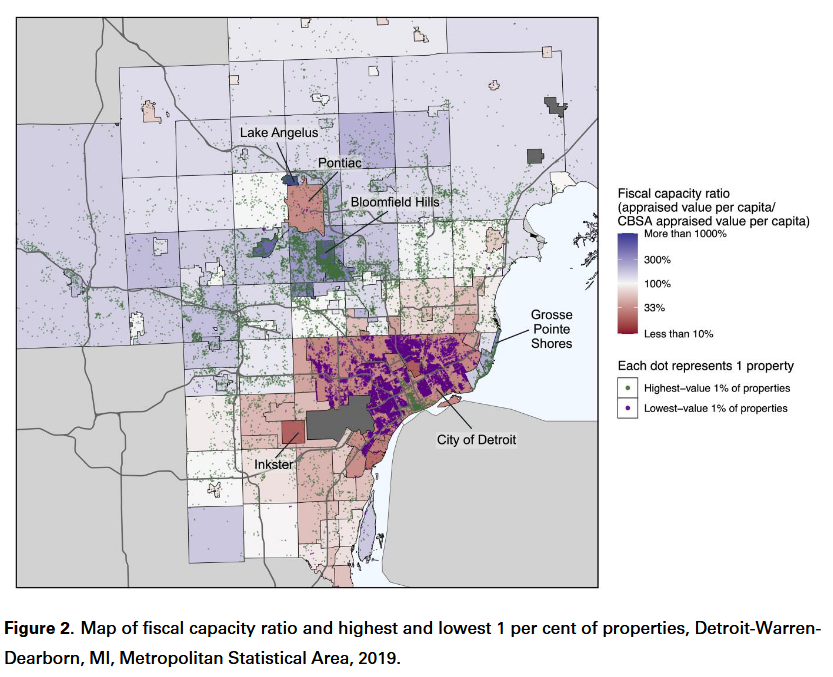
In SER, @robertmanduca.bsky.social & coauthors study how economic segregation & jurisdictional fragmentation overlap, leading to unequal tax bases b/w municipalities within a metro area. Admin & real estate data in 🇺🇸. Results show that there are many local tax havens in US.
Manduca, Robert, Brian Highsmith, and Jacob Waggoner. 2025. “Tax Base Fragmentation as a Dimension of Metropolitan Inequality.” Socio-Economic Review, October 15, mwaf055. https://doi.org/10.1093/ser/mwaf055 .
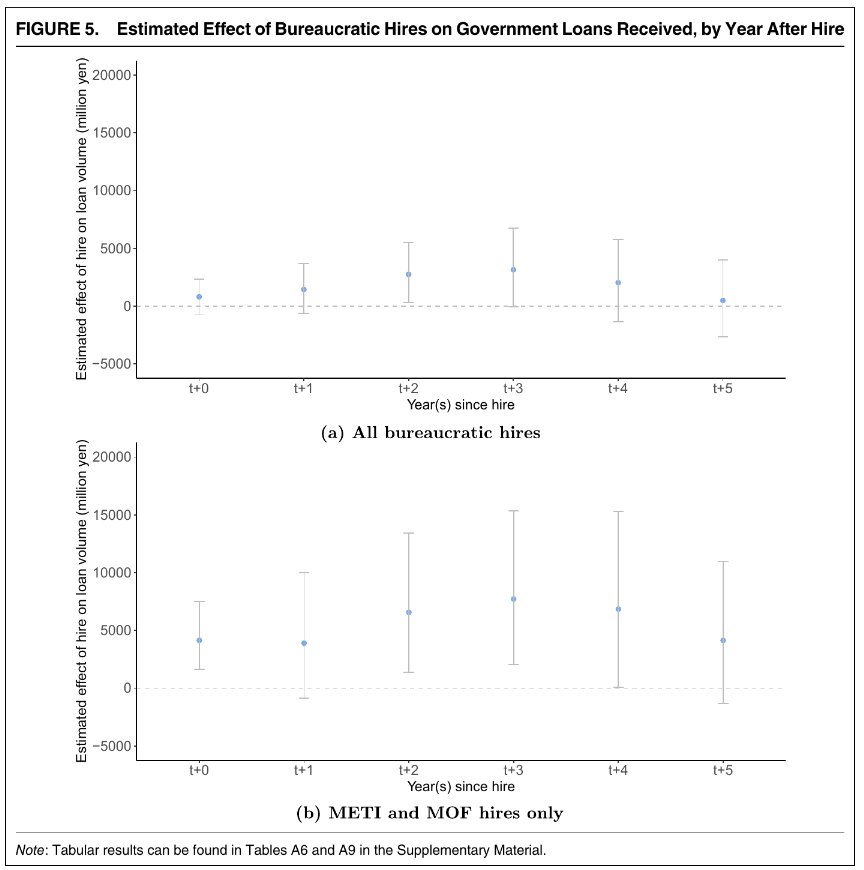
In @apsrjournal.bsky.social, Incerti studies the revolving door for bureaucrats in🇯🇵. Firms hiring high ranking bureaucrats, particularly from finance-related ministries, receive more government loans and experience stock market gains.
Incerti, Trevor. 2025. “How Firms, Bureaucrats, and Ministries Benefit from the Revolving Door: Evidence from Japan.” American Political Science Review, November 5, 1–21. https://doi.org/10.1017/S0003055425101263 .
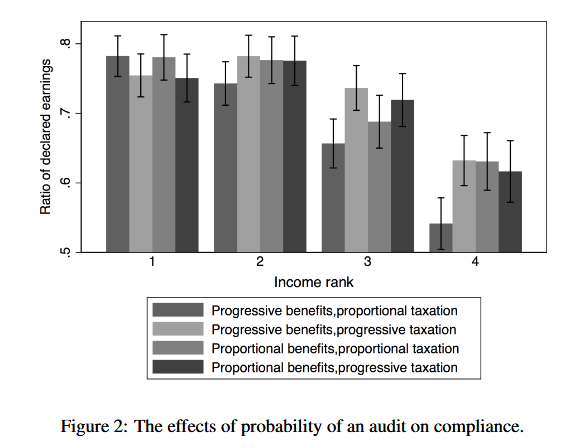
In @thejop.bsky.social @pberamendi.bsky.social @aslicansunar.bsky.social & Duch research how the design of tax-&-transfer systems shapes people’s willingness to comply. They find that compliance isn’t only about fear but also who gains and who loses from the system.
Beramendi, P., Cansunar, A. and Duch, R.M. 2025. “The Distributive Basis of Tax Compliance”. Journal of Politics, October, doi: https://doi.org/10.1086/739408 .
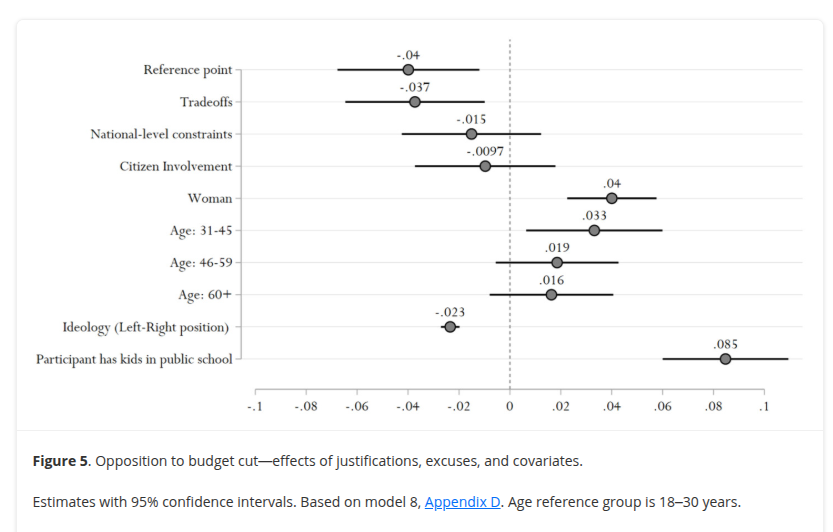
In @polstudies.bsky.social, @rtpedersen.bsky.social & Hansen examine strategies to communicate municipal budget cuts with a survey experiment in 🇩🇰. Only justification (e.g. emphasizing trade-offs) reduces opposition, blaming others & numerical reframing do not work.
Pedersen, Rasmus T, and Paw Hansen. 2025. “Public Budget Cuts: Political Communication Strategies and Citizen Reactions.” Political Studies, October 23, 00323217251382336. https://doi.org/10.1177/00323217251382336 .
#33 – September 2025
Choosing capital cities in 🇩🇪, 🇦🇹 & 🇨🇭 – Primary responsiveness in 🇺🇸 – Populist blameshifting backfires in 🇹🇷 – Effects of local policies on internal migration – Inequality, democracy and anti-trust legislation
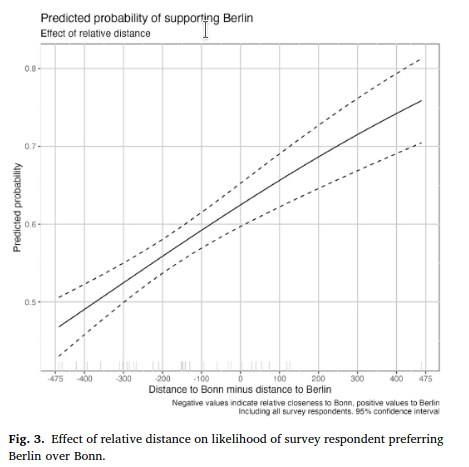
In @politicalgeography.bsky.social, Willumsen examines preferences of MPs and voters for location of capitals in 🇩🇪, 🇦🇹 & 🇨🇭. All purely selfish, prefer close locations irrespective of national or state level capital.
Willumsen, David M. 2025. “Where Do We Go? Explaining Democratic Capital Location Preferences.” Political Geography 122 (September): 103385. https://doi.org/10.1016/j.polgeo.2025.103385 .
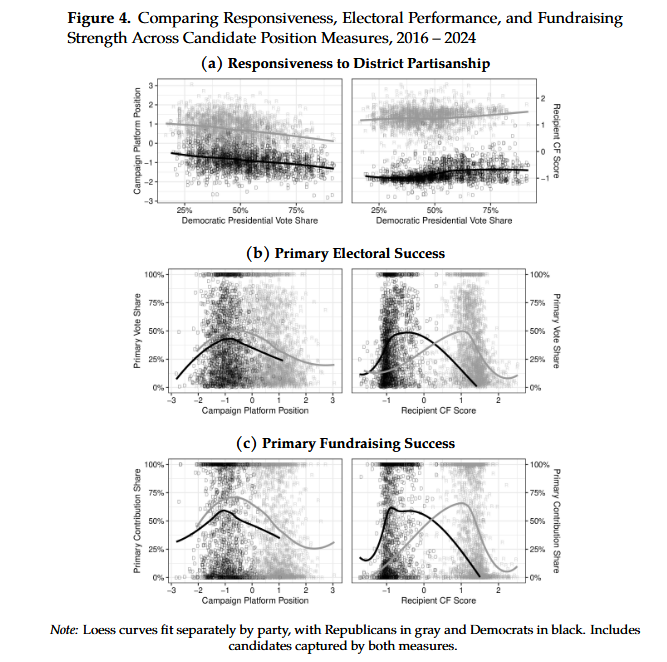
In @thejop.bsky.social, Meisels compares different measures of congressional candidates’ responsiveness in primaries. Text data from 🇺🇸. Results show that campaign platform data suggests more responsiveness and greater incentives for extremism than campaign finance data.
Meisels, Mellissa. 2025. “Candidate Positions, Responsiveness, and Returns to Extremism.” The Journal of Politics, September 5, 738505. https://doi.org/10.1086/738505 .
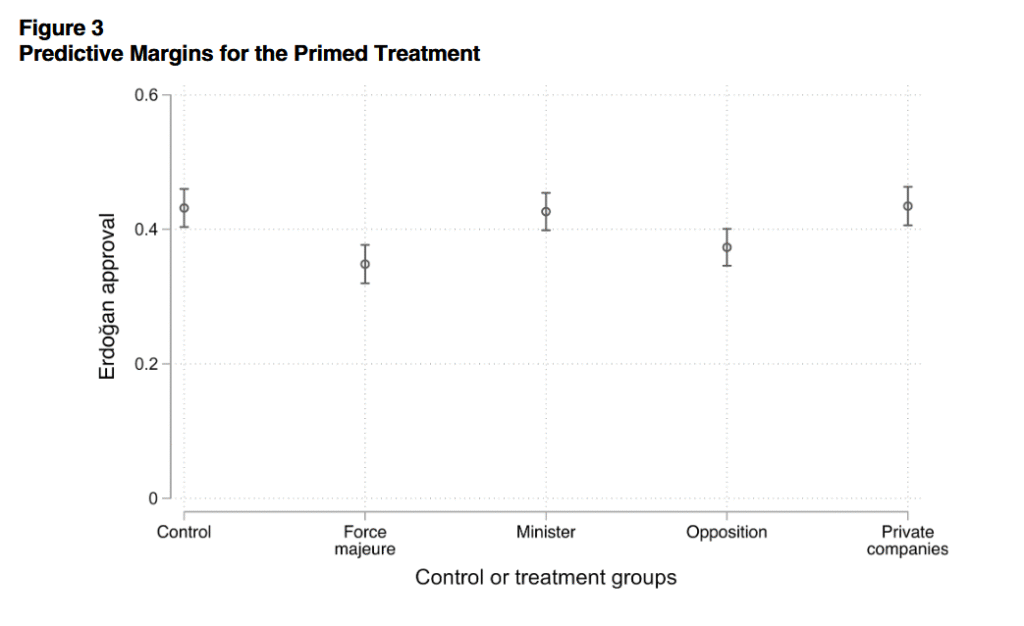
In @poppublicsphere.bsky.social, @edwardgoldring.bsky.social, Schmid & Apaydin find blame-shifting (esp. force majeure) by autocrat backfires. Survey experiment: Erdogan’s approval dropped (6-8%) among upper class after the 2023 earthquake in 🇹🇷.
Goldring, E., Schmid, J. W., & Apaydin, F. (2025). Blame Shifting in Autocracies following Large-Scale Disasters: Evidence from Turkey. Perspectives on Politics, 1-24.
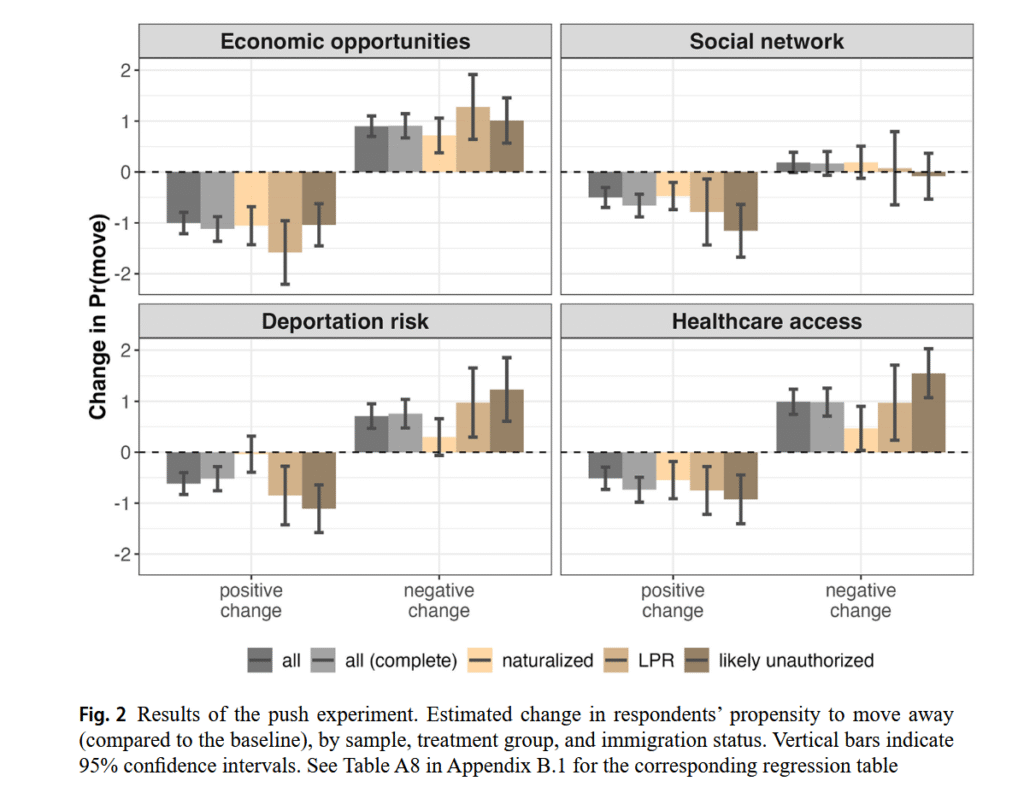
In @polbehavior.bsky.social, @hanslueders.bsky.social ask, do exclusionary local policies change where immigrants want to live? Findings of 🇲🇽 immigrants in 🇺🇸 show they do but financial concerns often win and naturalized citizens respond due to discrimination and safety worries.
Lueders, Hans. 2025. ‘Local Immigration Policies Shape Immigrants’ Relocation Preferences Regardless of Immigration Status’. Political Behavior, ahead of print, September 29. https://doi.org/10.1007/s11109-025-10080-0 .
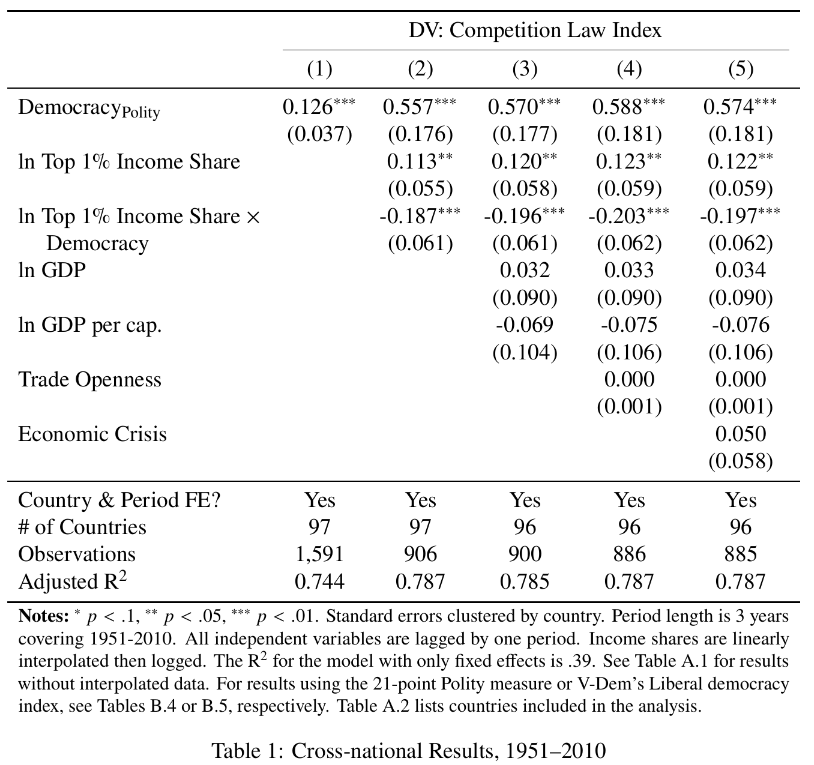
In @thejop.bsky.social Scheve & @stasavage.bsky.social use time-series data for many countries, showing that democratization increases anti-trust legislation, but only in places with low inequality.
Allen, Michael O., Kenneth Scheve, and David Stasavage. 2025. “Democracy, Inequality, and Antitrust.” The Journal of Politics, September 23, 000–000. https://doi.org/10.1086/736023 .
#32 – August 2025
Politician beliefs about voters – Self-assessment and solidaric behaviour – Voters’ evaluation of politicians’ corruption – Inequality and party manifestoes in OECD – Voter sexism and women candidates
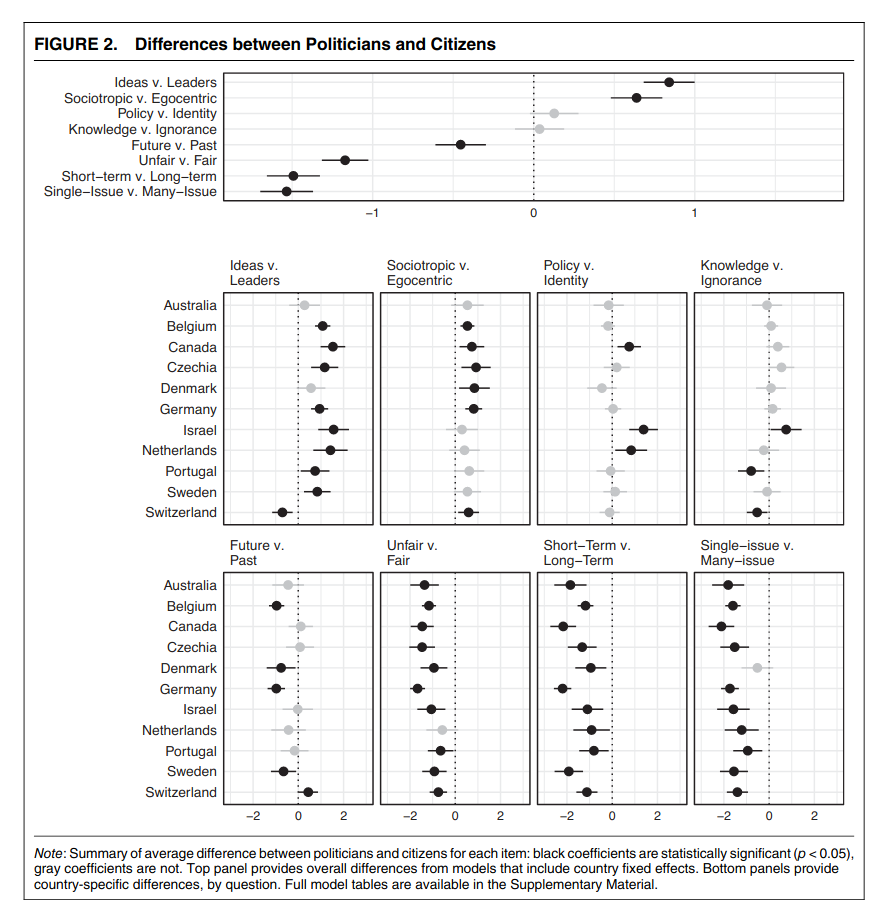
In @apsrjournal.bsky.social @jacklucas.bsky.social et al. compare politicians’ & citizens’ theories of voting with surveys in 11 countries. Evaluate 8 theoretical debates, e.g. sociotropic vs. pocketbook. Many differences. Politicians think voters more short-sighted & egoistic
Lucas, Jack, Lior Sheffer, Peter John Loewen, et al. 2025. “Politicians’ Theories of Voting Behavior.” American Political Science Review 119 (3): 1304–21. https://doi.org/10.1017/S0003055424001060.
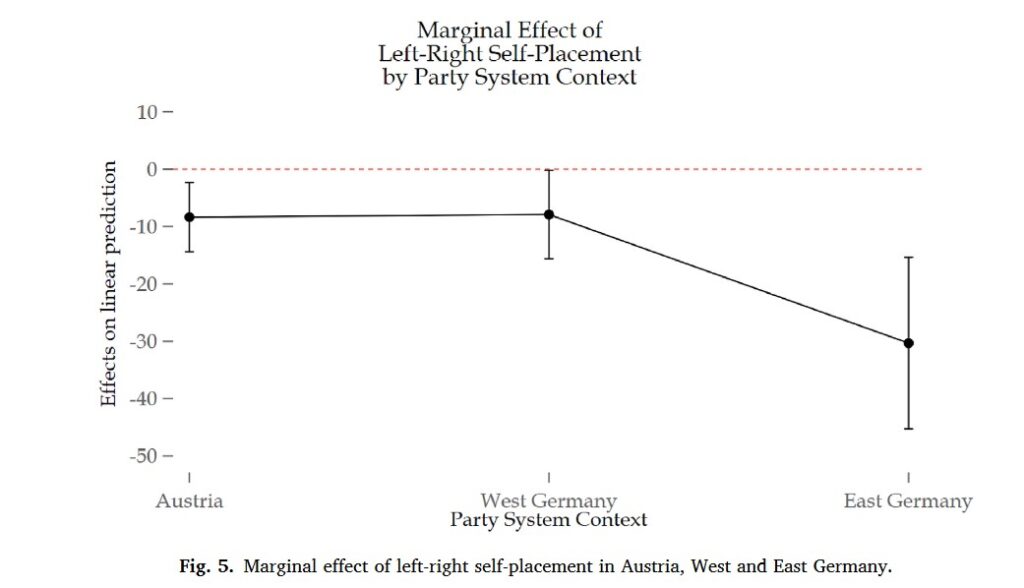
Goerres & @jeicheler.bsky.social in @electoralstudies.bsky.social, use a solidarity game to study whether party alliance or left-right self-assessment predicts solidarity in 🇩🇪 & 🇦🇹. They find that left-right selfplacement predicts solidaric behaviour but depends on context.
Goerres, Achim, and Jakob Eicheler. 2025. ‘Do Voters on the Left Show More Solidarity Behaviour? Novel Behavioural Evidence from Interactive Surveys in Austria, West and East Germany’. Electoral Studies 97 (October). https://doi.org/10.1016/j.electstud.2025.102980.
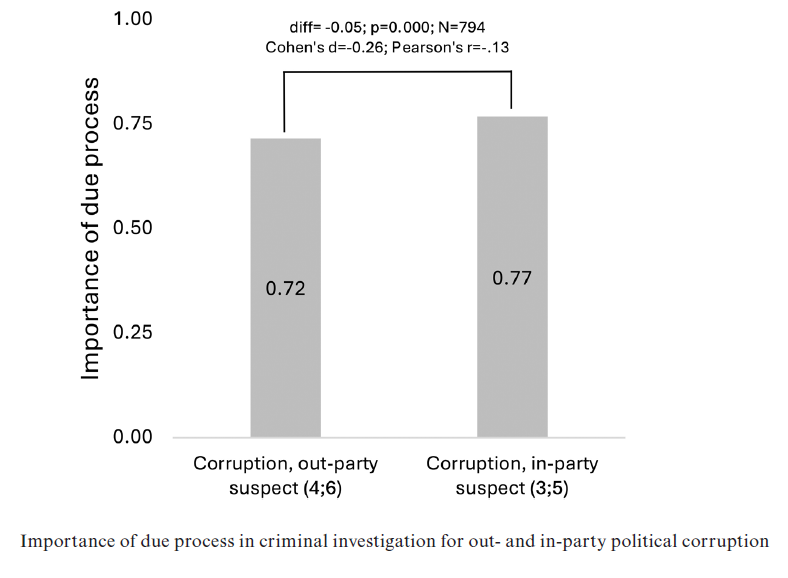
Using survey experiment, Magalhães et al (2025) in @ispp-pops.bsky.social show voters (in 🇵🇹) support weaker due process rights for corruption suspect from opposing party vs their own party. Out-group derogation prevails in-group favoritism in corruption evaluation.
Magalhães, P. C., de Sousa, L., Garoupa, N., & Costa‐Lopes, R. 2025. Out‐party, out of luck: Partisan biases in public support for due process in corruption investigations. Political Psychology. doi.org/10.1111/pops.70063
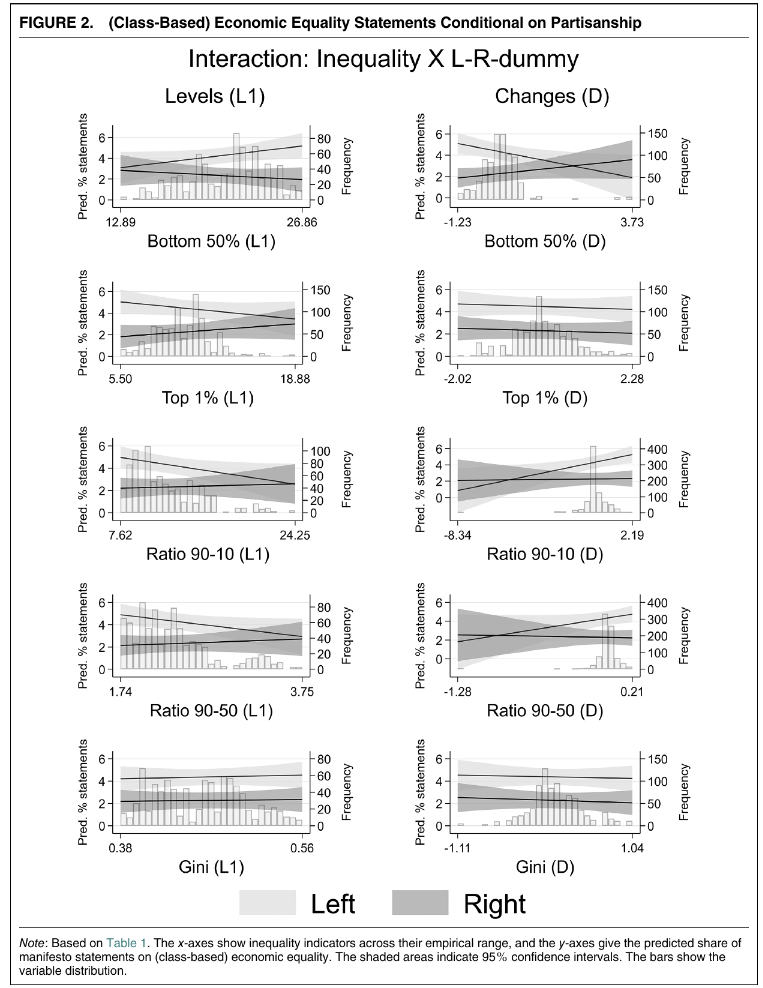
In APSR, @alexanderhorn.bsky.social @klueserthan.bsky.social & Haselmayer study party manifesto response to income inequality in 12 OECD countries. Left parties mention economic inequality issues more when inequality increases, but not in higher inequality settings
Horn, Alexander, Martin Haselmayer, and K. Jonathan Klüser. 2025. ‘Why Inequalities Persist: Parties’ (Non)Responses to Economic Inequality, 1970–2020’. American Political Science Review, August 7, 1–19. https://doi.org/10.1017/S0003055425100907.
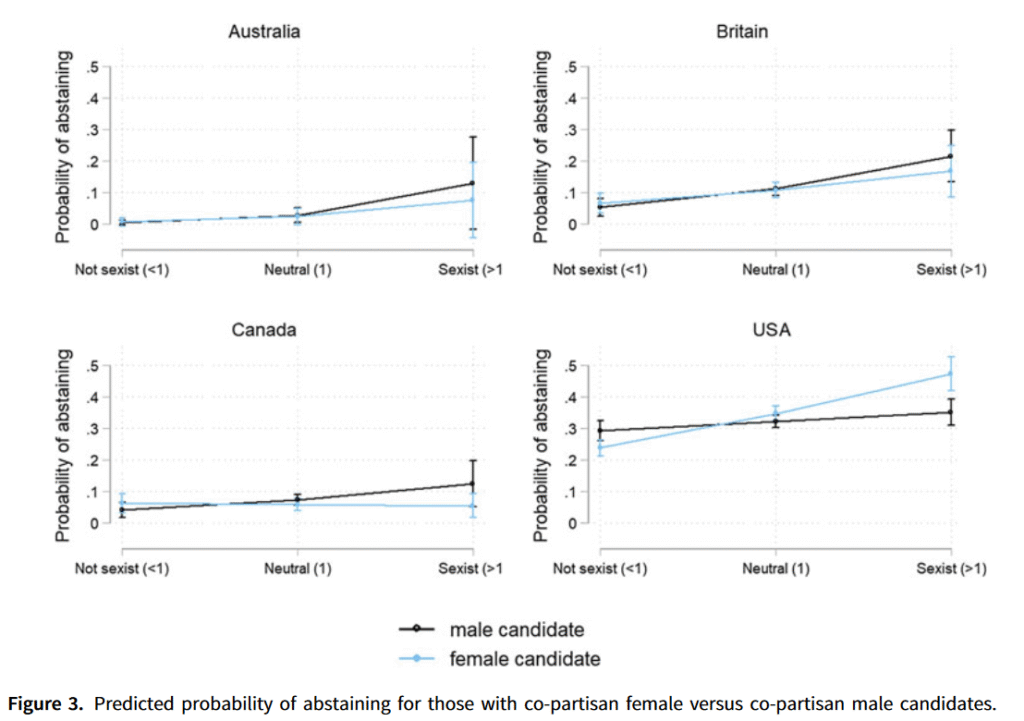
Shorrocks, Ralph-Morrow & de Geus in @bjpols.bsky.social study voter sexism and electoral penalties for women candidates. While they find no effect for voter sexism on support for women generally, they find that abstention is an electoral choice for sexist partisans in the USA.
Shorrocks, Rosalind, Elizabeth Ralph-Morrow, and Roosmarijn de Geus. 2025. ‘Voter Sexism and Electoral Penalties for Women Candidates: Evidence from Four Democracies’. British Journal of Political Science 55 (January). https://doi.org/10.1017/S0007123425000390.
#31 – July 2025
Clientelistic and progrmmatic appeals in 🇧🇷 – Social status & far-right voting in Western Europe – Absence of causal effect of wealth on political participation in 🇸🇪 – High campaign costs and wealthy politicians – The politics of small business owners
In World Development, @mkjustesen.bsky.social @smidsina.bsky.social & Koob examine attitudes toward clientelistic & programmatic appeals with conjoint in 🇧🇷. Voters prefer programmatic offers but also hierarchy of cliententelist appeals: jobs preferred over cash.
Justesen, Mogens K., Sigrid Koob, and Sina Smid. 2025. “Clientelism and Programmatic Redistribution: Evidence from a Conjoint Survey Experiment in Brazil.” World Development 195 (November): 107124. https://doi.org/10.1016/j.worlddev.2025.107124.

In @cpsjournal.bsky.social, @alanjacobs.bsky.social & @markkayser.bsky.social analyze social status & far-right voting via ESS in West Europe 2002-2020. Downward intergeneration occupational mobility brings far-right voting, but upward mobility doesn’t protect.
Jacobs, A. M., & Kayser, M. A. (2025). Downward Mobility and Far-Right Party Support: Broad Evidence. Comparative Political Studies, 0(0). https://doi.org/10.1177/00104140251349663.

4/6 🧵In @electoralstudies.bsky.social Brännlund & @rafaelahlskog.bsky.social investigate causal effect of wealth on participation. Use twins & wealth registers in 🇸🇪. Results from twin pair FE models do not show effect on voting & effect on civic participation closer to negative
Anton Brännlund and Rafael Ahlskog, “Do the Rich Ditch Politics? Evidence from Sweden,” Electoral Studies 96 (August 2025): 102966, https://doi.org/10.1016/j.electstud.2025.102966.

In @ajpseditor.bsky.social @luciamotoliniac.bsky.social Klašnja & @simonweschle.bsky.social show that higher pressures to spend in campaigns leads to a wealthier politician pool. Use data on MP wealth from 40 countries, & quasiexperimental evidence from 🇧🇷 & 🇨🇱
Motolinia, Lucia, Marko Klašnja, and Simon Weschle. 2025. “The Super Rich and the Rest: Campaign Finance Pressures and the Wealth of Politicians.” American Journal of Political Science n/a (n/a). https://doi.org/10.1111/ajps.12996.

In @bjpols.bsky.social, @nmalhotra.bsky.social and colleagues study small business owners (sbo) and their voting behaviour. They find that sbo’s are more likely to vote for right-wing parties, because of their experience, leading to conservative views on gov. regulation.
Malhotra, Neil, Yotam Margalit, and Saikun Shi. 2025. ‘The Politics of Small Business Owners’. British Journal of Political Science 55 (January): e94. https://doi.org/10.1017/S0007123425000274.

#30 – June 2025
Motivations for campaign contributions in 🇨🇴 – Abolition of compulsory voting in 🏴- Policy ideas and law-making in the 🇺🇸 – Teenagers’ political efficacy in the 🇳🇱 – NIMBYism in 🇨🇭
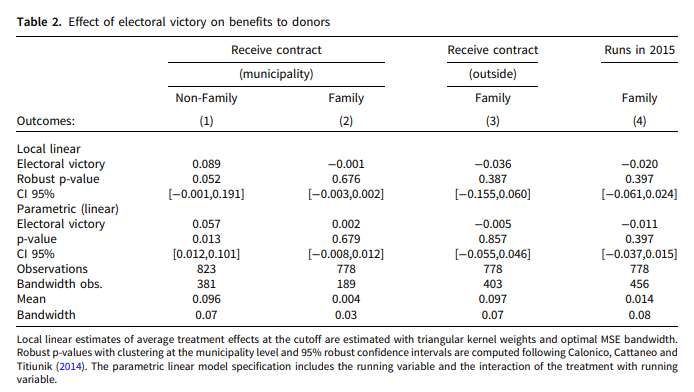
In @bjpols.bsky.social Rueda & Ruiz ask if electoral results affect donors’ behavior. Mayoral races RD in 🇨🇴, where re-election is not allowed. Look at motivations of investor & family donors. Investors get contracts (Table 2) so keep donating later, but not family donors
Miguel R. Rueda and Nelson A. Ruiz, “How Do Electoral Outcomes Affect Campaign Contributions? The Role of Personal Loyalty and Investment Motives,” British Journal of Political Science 55 (2025): e86, https://doi.org/10.1017/S000712342400036X
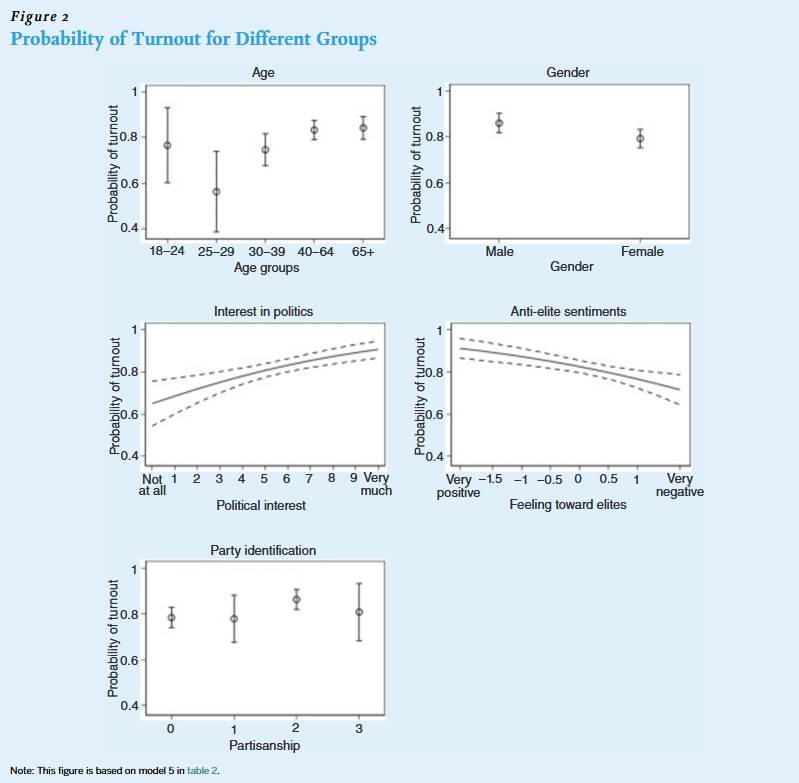
In @pspolisci.bsky.social Hooghe & Stiers study the abolition of compulsory voting in Flanders (26% drop in turnout). Key finding: Women, younger & politically disinterested citizens most likely to stop voting. Challenges the idea that higher education/income = higher turnout.
Hooghe, Marc, and Dieter Stiers. “Abolishing Compulsory Voting: The 2024 Experience in the Flemish Region of Belgium.” PS: Political Science & Politics (2025): 1-8. https://doi.org/10.1017/S1049096525000423
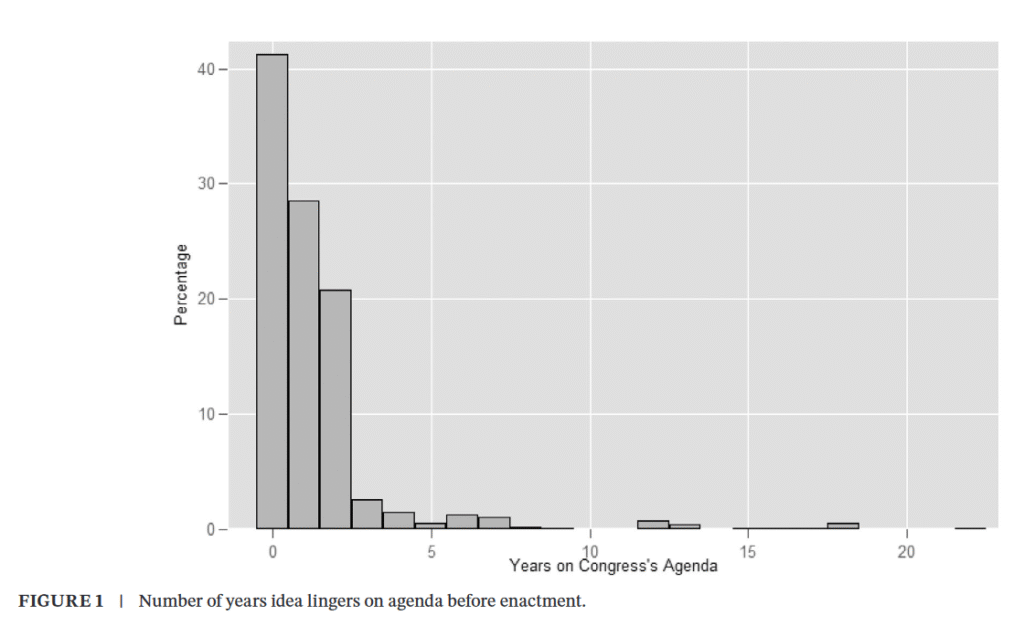
In @lsqjournal.bsky.social Gelman studies how laws are created in the 🇺🇸 & traces policy ideas to the original version proposed in Congress. He finds law construction to vary even among similar bill types & that 15% of ideas are introduced at the end of policy-making.
Gelman, Jeremy. 2025. ‘The (Sometimes Untraceable) Origins of Policy Ideas in Congress: An Analysis of Seven Landmark Laws’. Legislative Studies Quarterly, June, lsq.70023. https://doi.org/10.1111/lsq.70023.
In @polbehavior.bsky.social, @jvanslageren.bsky.social Rosmalen & Mennes study inequality in internal & external political efficacy from 12 to 15 years old in a panel survey in 🇳🇱. Find inequalities by social status and gender, but the differences decrease with age
Van Slageren, Jaap, Michelle Rosmalen, and Hester I. Mennes. 2025. “Whose (Future) Democracy? Examining Inequalities in the Development of Adolescents’ Political Efficacy and the Mediating Role of Political Socialization.” Political Behavior, June. https://doi.org/10.1007/s11109-025-10052-4.
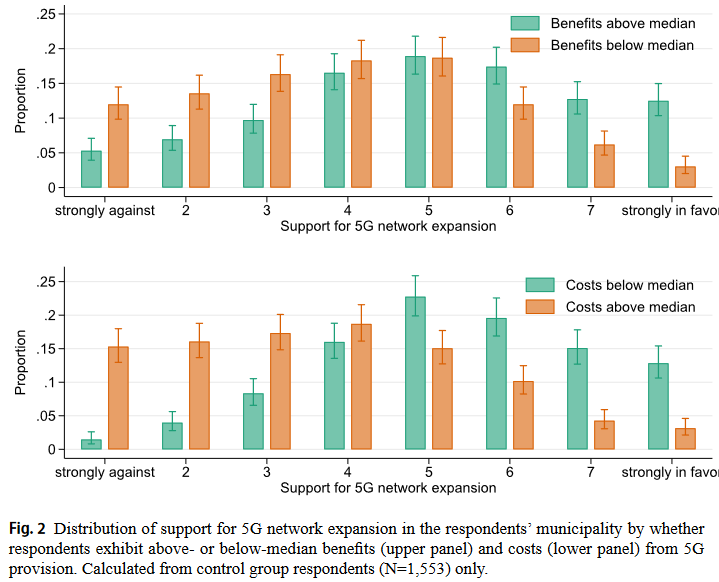
In @polbehavior.bsky.social, @lukrudolph.bsky.social, @phanxi.bsky.social & Bernauer study effects on NIMBYism. Survey experiment in 🇨🇭. Results show NIMBY opposition occurs even when there are localized benefits & that it depends on ex ante perceptions of costs/benefits.
Rudolph, Lukas, Franziska Quoß, and Thomas Bernauer. 2025. “How Relevant Is NIMBYism to Citizens’ Support for the Large-Scale Deployment of Public Goods? Experimental Evidence from 5G Antenna Placement in Switzerland.” Political Behavior, May. https://doi.org/10.1007/s11109-025-10047-1.
#29 – May 2025
Politician quality in 🇮🇳 – Economic deprivation & right-wing support in Western Countries – Campaign limits and organized interests in 🇧🇷 – Perceptions of immigrant integration & support for redistribution in high-income countries- No political ambition class gaps in the Americas
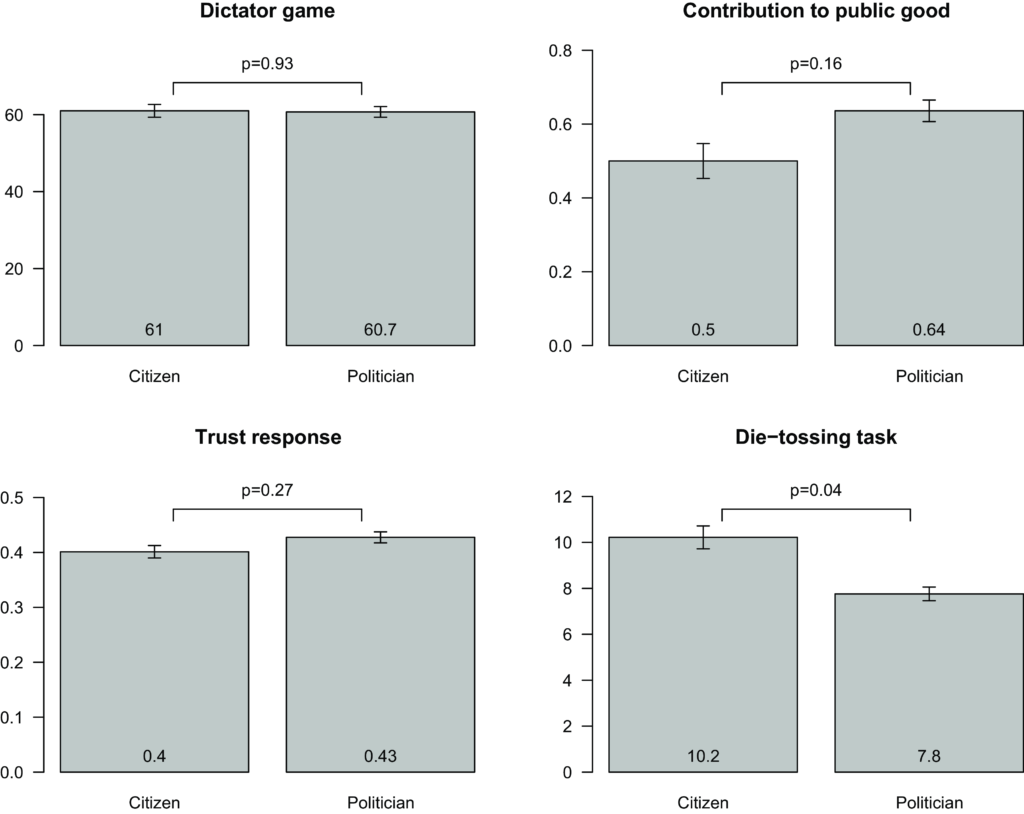
In @bjpols.bsky.social, Chaudhuri et al. examine politician quality in 🇮🇳 with lab in the field experiment. Key focus on cognitive ability & integrity. Politicians more honest, educated and motivated but also lower cognitive ability than average villager.
Chaudhuri, Ananish, Vegard Iversen, Francesca R. Jensenius, and Pushkar Maitra. 2025. “Selecting the ‘Best’? Competing Dimensions of Politician Quality in the Developing World.” British Journal of Political Science. https://doi.org/10.1017/S0007123425000225.
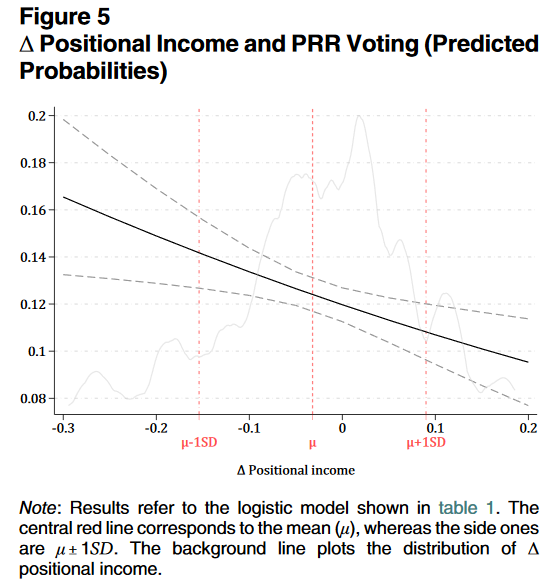
Using individual-level data from 23 Western 🇪🇺 countries Ciccolini, in @poppublicsphere.bsky.social, researches the connection of economic deprivation and RPP support. The study confirms the cultural and economic explanations for RPP support and its electoral consequences.
Ciccolini, Giuseppe. 2025. ‘Who Is Left Behind? Economic Status Loss and Populist Radical Right Voting’. Perspectives on Politics, April, 1–18. https://doi.org/10.1017/S1537592724002858.
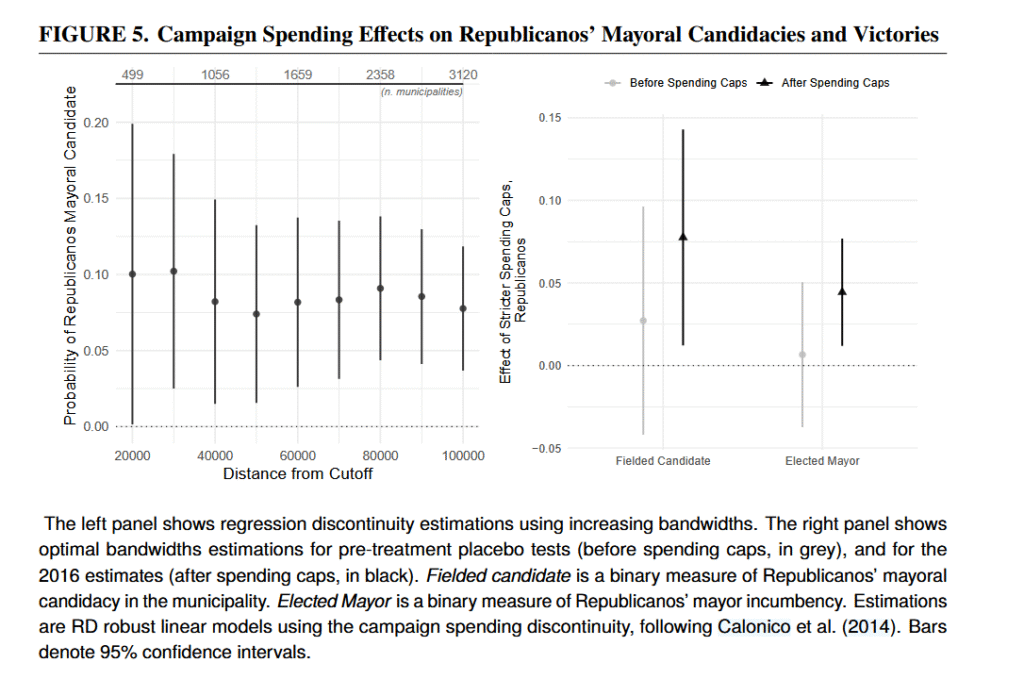
In @thejop.bsky.social Cammett, @lmnovaes.bsky.social & Tuñón study if spending limits help organized interests. RDD + 🇧🇷’s 2016 reform. Find that party linked to centralized evangelical church (relies less on campaign material inducements) fields more candidates & wins more post-reform
Cammet, Melani, Lucas Novaes and Guadalupe Tunon. 2025. “Special Interest Trade-Offs: Campaign Finance Reforms and Religious Influence in Politics in Brazil”. The Journal of Politics. https://doi.org/10.1086/736804
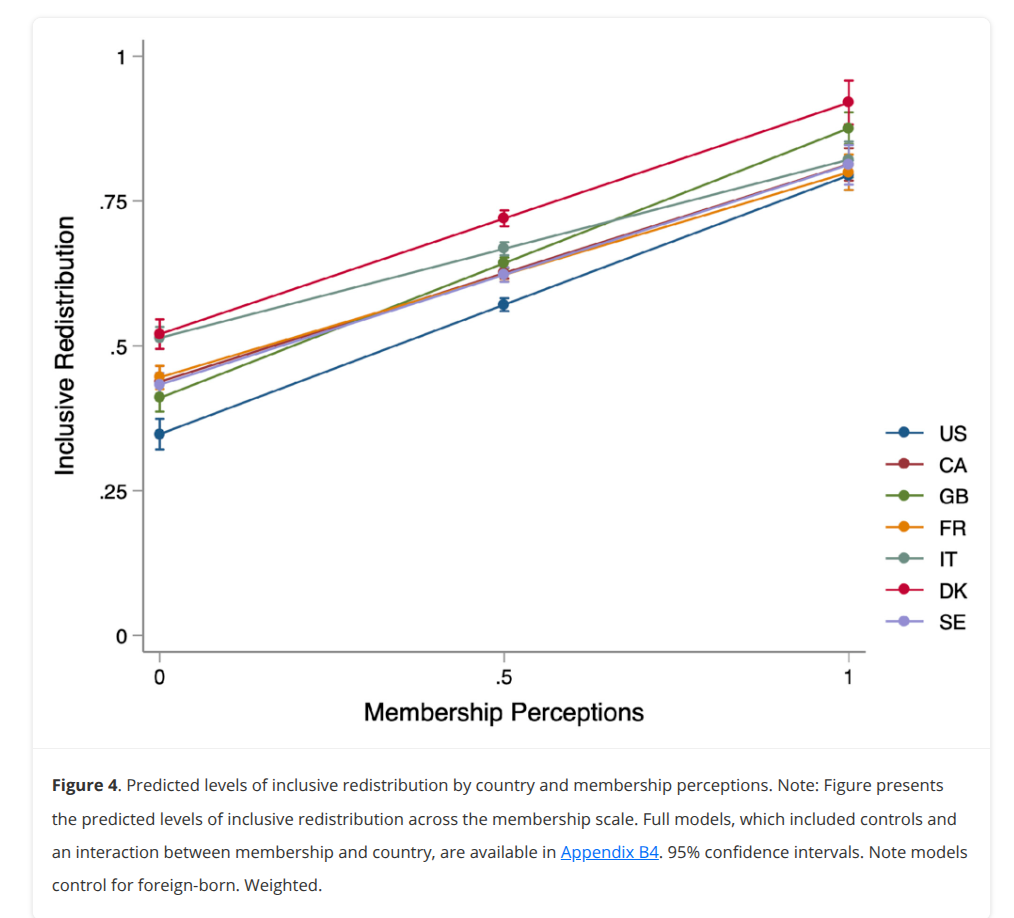
In @cpsjournal.bsky.social @allisonharell.bsky.social Banting & Kymlicka use survey data from y OECD countries to show that beliefs of how much immigrants are perceived as committed members of the host society drive support for redistribution (towards migrants).
Harell, Allison, Keith Banting and Will Kymlicka. 2025. “Inclusive Redistribution of Membership: A Cross-National Comparison”. Comparative Political Studies. https://doi.org/10.1177/00104140251342924
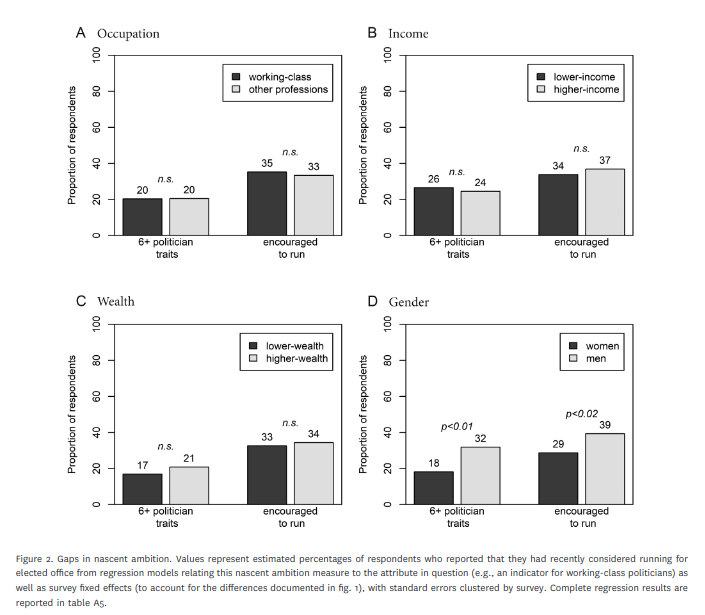
In @thejop.bsky.social,, @carnes.bsky.social & @noamlupu.bsky.social examine class differences in basic political ambition among potential candidates with survey data from 8 American countries. Class not a driver of ambition, but gender is.
Carnes, Nicholas, and Noam Lupu. 2025. “Are There Social Class Gaps in Nascent Political Ambition? Survey Evidence from the Americas.” The Journal of Politics, May, 000–000. https://doi.org/10.1086/734284.
#28 – April 2025
Pledge Fulfillment in 🇨🇦 🇦🇹 🇨🇿 🇸🇰 🇸🇪 – Geographic representation in 🇩🇪 – Unequal responsiveness in 🇪🇺 – Housing crisis in 🇵🇹 – Subjective local inequality in 🇺🇸
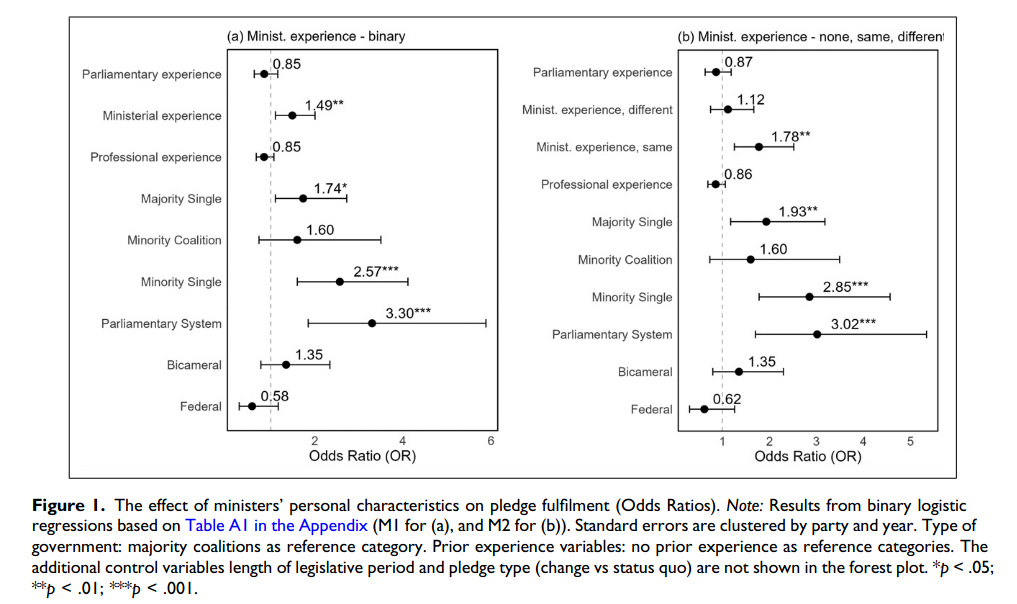
In Party Politics, @theresmatthiess.bsky.social, Vodová & @frasmcm.bsky.social study role of ministerial experience for electoral pledge fulfillment in 🇨🇦 🇦🇹 🇨🇿 🇸🇰 🇸🇪. Previous experience in same ministry crucial, prof. experience has no effect
Matthieß, Theres, Petra Vodová, and Fraser McMillan. 2025. “Does It Matter Who Is in Charge? Ministerial Characteristics and Pledge Fulfilment.” Party Politics, May, 13540688251339622. https://doi.org/10.1177/13540688251339622.
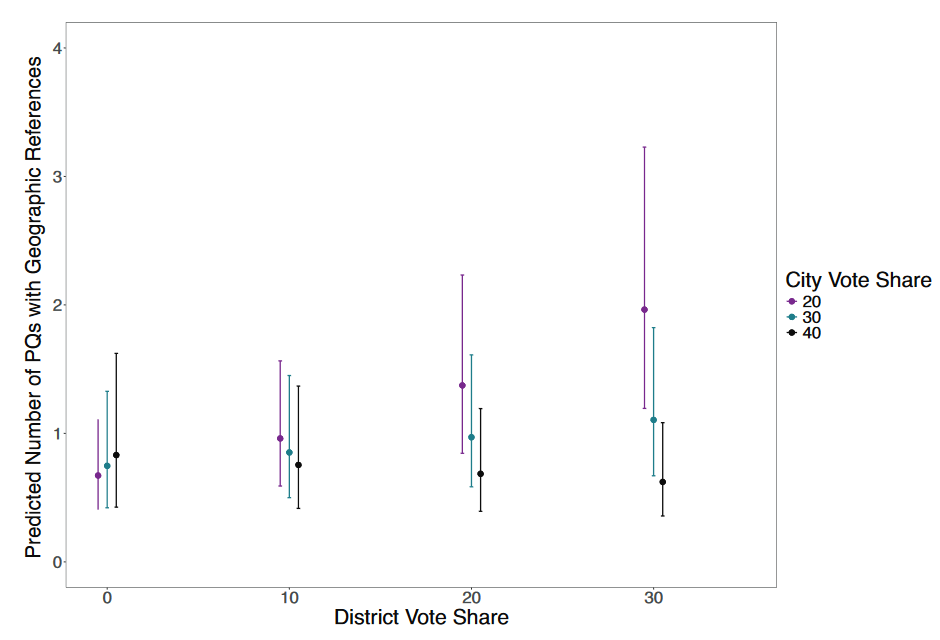
In @ejpgjournal.bsky.social, Harmening & co-authors study geographic representation in 🇩🇪 cities. Parties are more likely to appeal to their electoral strongholds, especially when voters are highly localized & electoral system incentivizes geographic voter targeting.
Harmening, Morten, Jona-Frederik Baumert, Sebastian Block, Martin Gross, Dominic Nyhuis, and Jan Velimsky. 2025. “Geographic Representation in Local Politics: Evidence from Parliamentary Questions in German City Councils.” European Journal of Political Research n/a (n/a). https://doi.org/10.1111/1475-6765.70019.
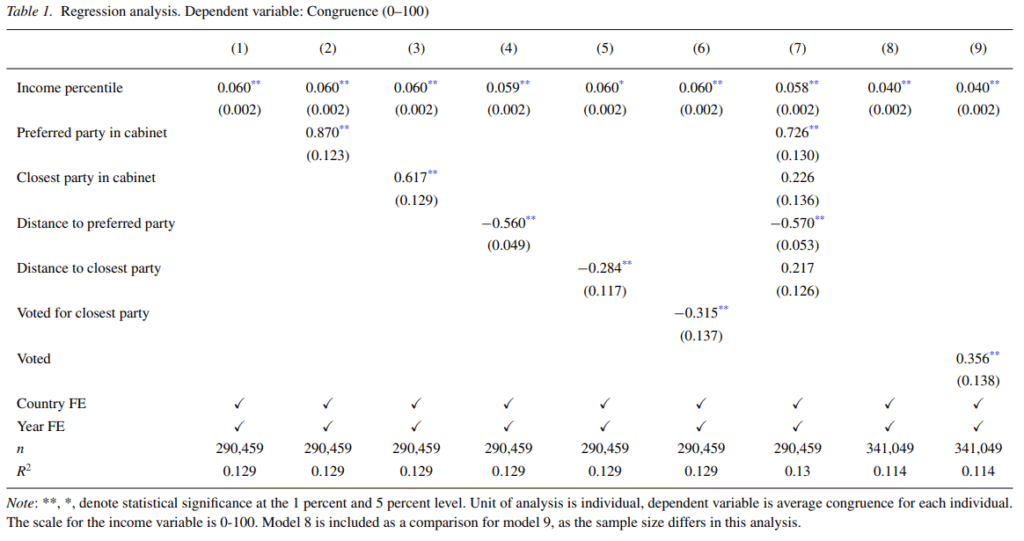
In EJPR Lindqvist, Persson, Schakel & Sundell study electoral origin of unequal policy responsiveness in Europe. Richer vote more, are closest to preferred party + more likely to have it in cabinet. But this does not mediate the effect of income on policy responsiveness
Lindqvist, Jesper, Mikael Persson, Wouter Schakel, and Anders Sundell. 2025. “Poor Choices? Examining the Electoral Connection behind Unequal Policy Representation.” European Journal of Political Research n/a (n/a). https://doi.org/10.1111/1475-6765.70015.
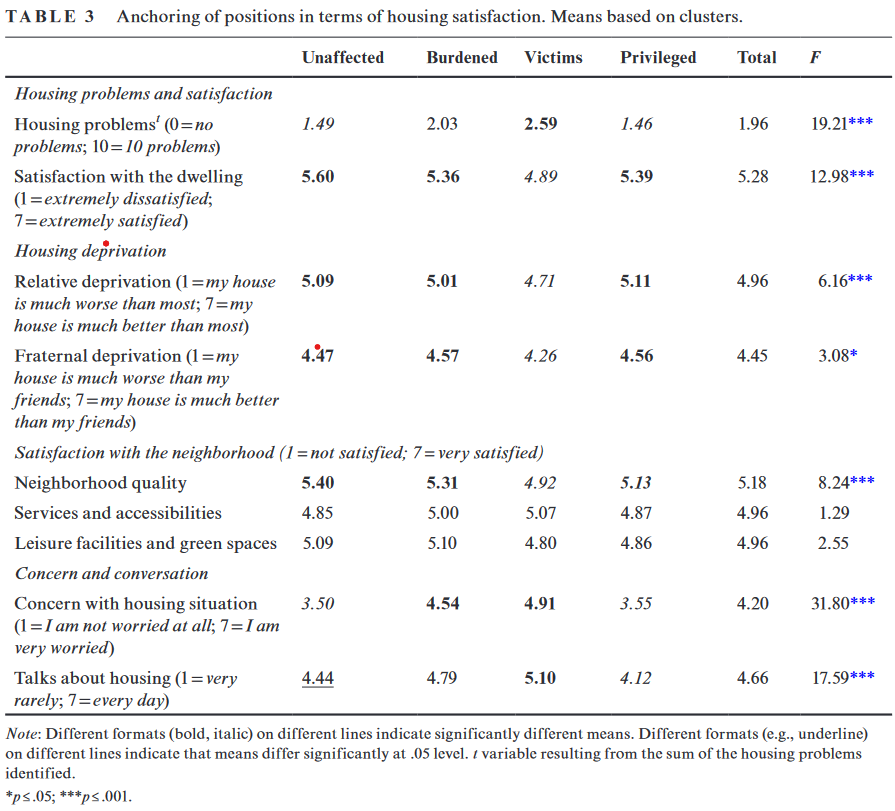
With a national survey, Raquel Ribeiro et al. use an interdisciplinary approach to study the 🇵🇹 housing crisis, in @ispp-pops.bsky.social. They find 4 distinct positions on the housing crisis, rooted in societal, moral & political perspectives & propose an advocacy framework.
Ribeiro, Raquel, Gabrielle Poeschl, and Ana Cordeiro Santos. 2025. ‘The Different Sides of the Housing Crisis in Portugal: A Contribution to Building Inclusive, Fair, and Effective Solutions’. Political Psychology n/a (n/a). https://doi.org/10.1111/pops.70025.
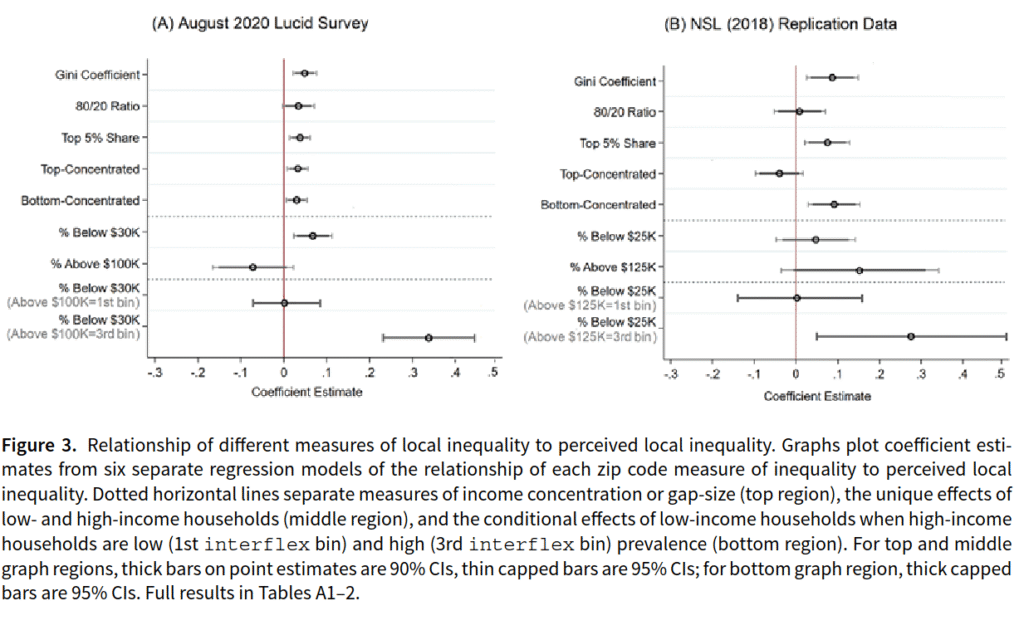
n @psrm.bsky.social, Newman compares measures of subjective local inequality to objective measures (Gini, rich-poor gap, joint prevalence of rich and poor households). Joint prevalence of rich and poor most strongly related to subjective measures & demand for redistribution.
Newman, Benjamin J. 2025. “Using Contextual Measures to Capture Citizens’ Perception of Inequality in Their Surrounding Environment.” Political Science Research and Methods, April, 1–10. https://doi.org/10.1017/psrm.2025.24.
#27 – March 2025
lockdowns and support for Trump in the US – left parties and redistribution – electoral role of candidate education – tax preferences in Latin America – City councillors’ roll-call voting in Chicago and Toronto
In @cpsjournal.bsky.social, @alicexu.bsky.social & Iversen ask if economic, rather than cultural factors, drive support for right-wing populists. Staggered DiD in the US & covid lockdowns. In states with less educated people (cannot work from home) lockdowns increase Trump support
Iversen, Torben, and Alice Xu. 2025. “The Politics of Pessimism: Unfunded Public Goods as a Source of Right-Wing Populism.” Comparative Political Studies, March, 00104140241312101. https://doi.org/10.1177/00104140241312101.

In EJPR, @alexanderhorn.bsky.social @klueserthan.bsky.social & Martin Haselmayer study the priorities of left parties in 12 OECD countries. While they find no evidence for a crowding out of redistribution generally, they show that some Social Democrats abandoned economic equality.
Horn, Alexander, K. Jonathan Klüser, and Martin Haselmayer. n.d. ‘Social Progress at the Expense of Economic Equality? New Data on Left Parties’ Equality Preferences’. European Journal of Political Research n/a (n/a). Accessed 3 April 2025. https://doi.org/10.1111/1475-6765.70008.

In @thejop.bsky.social @elizabethsim0n.bsky.social & @turnbulldugarte.com do a meta-analysis of role of candidate education in conjoint experiments. More educated candidates preferred by all, but more so by more educated respondents, suggesting a possible in-group bias
Simon, Elizabeth, and Stuart J. Turnbull-Dugarte. 2025. ‘Education as Identity? A Meta-Analysis of Education-Based In-Group Preferences in Candidate Choice Experiments’. The Journal of Politics, April. https://doi.org/10.1086/730745.

In @cpsjournal.bsky.social Heilbrun studies tax preferences in the Latinobarometro. High perceived inequality associated with a preference towards a narrower tax base. Suggests a reason why revenue from direct taxes in LA is low
Heilbrun, Guy. 2024. “Perceived Inequality as an Impediment to Mass Taxation: Evidence From Latin America.” Comparative Political Studies (2024).
https://doi.org/10.1177/00104140251328028.

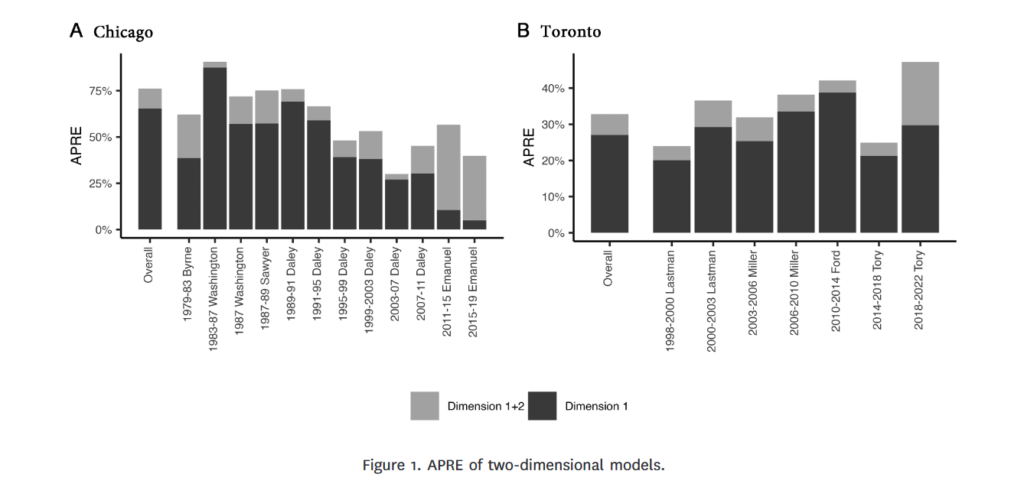
In @thejop.bsky.social @bigcitypolitics.bsky.social & Armstrong study elite conflict using councilors’ roll-call votes. Original dataset over many terms in Chicago & Toronto. Against a pluralist expectation, councilors’ conflict is low-dimensional but durable across terms
Taylor, Zack, and David A. Armstrong. 2025. “Political Divisions in Large Cities: The Socio-Spatial Basis of Legislative Behavior in Chicago and Toronto.” The Journal of Politics, March, 000–000. https://doi.org/10.1086/732976.
#26 – February 2025
Genetics & political participation in 🇺🇸🇸🇪 – Historical formation of african borders – Colonial mapmaking & ethnic identity – Occupational backgrounds of MPs in 🇩🇪 🇺🇸 🇸🇪 – Economic inequality & right-wing support in 🇸🇪
In @polbehavior.bsky.social, @rafaelahlskog.bsky.social, Dawes, Oskarsson, & Weinschenk study the relationship b/w genetics & political participation. 4 Studies using polygenic indices (PGIs) in 🇺🇸🇸🇪. Results show that genetics predict participation, even within families.
Ahlskog, Rafael, Christopher Dawes, Sven Oskarsson, and Aaron Weinschenk. 2025. “The Genetics of Political Participation: Leveraging Polygenic Indices to Advance Political Behavior Research.” Political Behavior, February. https://doi.org/10.1007/s11109-025-10020-y.

In @apsrjournal.bsky.social, @jackpaine.bsky.social. Qiu, & @ricarthuguet.bsky.social challenge established view of African borders as arbitrary. Instead, African borders formed by historical, geographical realities. Data on pre- and postcolonial borders.
Paine, Jack, Xiaoyan Qiu, and Joan Ricart-Huguet. 2025. “Endogenous Colonial Borders: Precolonial States and Geography in the Partition of Africa.” American Political Science Review 119 (1): 1–20. https://doi.org/10.1017/S0003055424000054.

In @bjpols.bsky.social, Houle & Conroy-Krutz argue colonial mapmaking has long term impact on ethnic identity. Use Afrobarometer data from 26 countries to show groups partitioned by border identify less with ethnicity. Mechanism via weakening traditional authorities by partition.
Houle, Christian, and Jeffrey Conroy-Krutz. 2025. “Colonial Mapmaking, Ethnic Identity, and Traditional Authority in Africa.” British Journal of Political Science 55:e28. https://doi.org/10.1017/S0007123424000759.

In @ajpseditor.bsky.social @miacosta.bsky.social & @miguelpereira.bsky.social study how occupational backgrounds shape MPs’ ability to garner support for their policies. Survey experiments in 🇩🇪 🇺🇸 🇸🇪. Find some experience credibility bonus among citizens & politicians
Costa, Mia, and Miguel M. Pereira. 2025. “Why Parties Can Benefit from Promoting Occupational Diversity in Legislatures: Experimental Evidence from Three Countries.” American Journal of Political Science, February, ajps.12951. https://doi.org/10.1111/ajps.12951.

In party politics, Jeffrey Nonnemacher and Jennifer Fitzgerald ask if economic inequality motivates right-wing support. Survey experiment in 🇸🇪 cueing respondents about local or national inequality. Cues about local inequality particularly decrease support for Swedish far-right
Nonnemacher, Jeffrey, and Jennifer Fitzgerald. 2025. “Rejecting the Radical Right: Local Inequality and Party Support.” Party Politics, February, 13540688251317584. https://doi.org/10.1177/13540688251317584.

#25 – January 2025
Political responsiveness in 🇩🇰 & 🇳🇱 – Populist parties & congruence in 🇩🇪🇳🇱🇮🇹🇸🇪 – Effect of income on turnout in 🇳🇴 – Returns to office in 🇩🇰 – Electoral effects of coal phase-outs in 🇩🇪
Rasmussen, Anne, and Simon Otjes. “Responding to Whom? An Experimental Study of the Dynamics of Responsiveness to Interest Groups and the Public.” Journal of European Public Policy 32, no. 3 (March 4, 2025): 727–54. https://doi.org/10.1080/13501763.2024.2306226.
In @jeppjournal.bsky.social, @annerasmussen.bsky.social & @simonotjes.bsky.social ask: are politicians more responsive to interest groups or public opinion? Vignette experiments in 🇩🇰 & 🇳🇱 with politicians. Effect of public opinion positive, stronger, and more general.
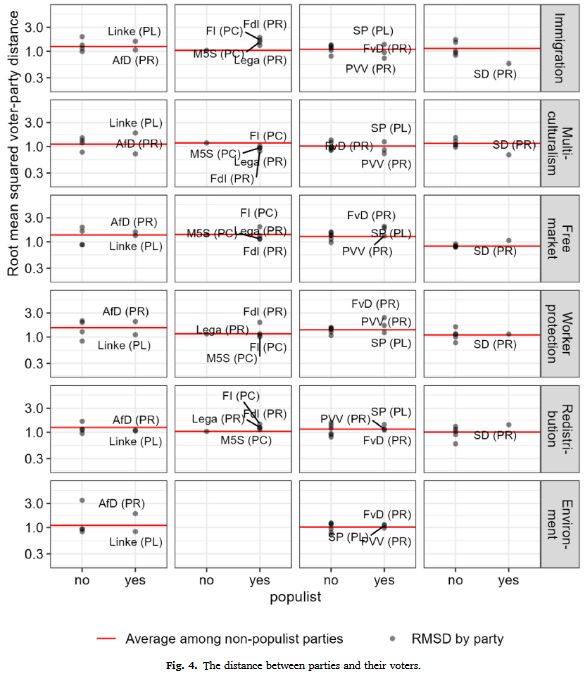
Zhirnov, Andrei, Jan Philipp Thomeczek, Michele Scotto Di Vettimo, Alberto López Ortega, André Krouwel, Lorenza Antonucci, Roberta Di Stefano, and Norbert Kersting. 2025. “How Congruent Are Populist Parties with Their Constituencies? Evidence from the 2019 European Parliament Elections in Italy, the Netherlands, Germany and Sweden.” Electoral Studies 94 (April):102906. https://doi.org/10.1016/j.electstud.2025.102906.
In @electoralstudies.bsky.social, Zhirnov, @drphilphil.bsky.social, and co-authors study congruence b/w populist parties & their voters. VAA data from 🇩🇪🇳🇱🇮🇹🇸🇪. Show populist parties are best choice for their voters, but congruence is not higher compared to other parties.
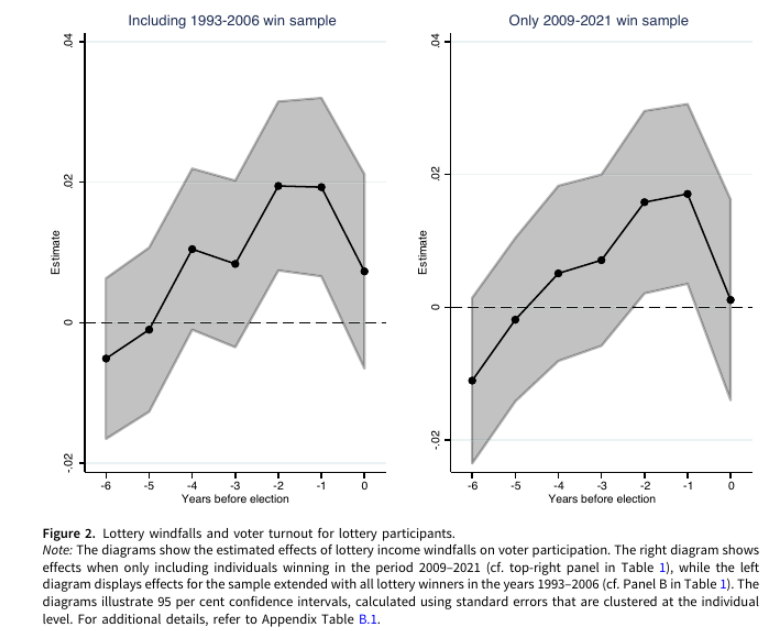
Geys, Benny, and Rune J. Sørensen. 2025. “The Causal Effect of Affluence on Voter Turnout: New Evidence from Lottery Winnings.” British Journal of Political Science 55 (January):e7. https://doi.org/10.1017/S0007123424001005.
In @bjpols.bsky.social, Geys & Sørensen compare current & former lottery winners in the whole 🇳🇴 to estimate the effect of income on turnout. They find a small effect when gains are close to election date.
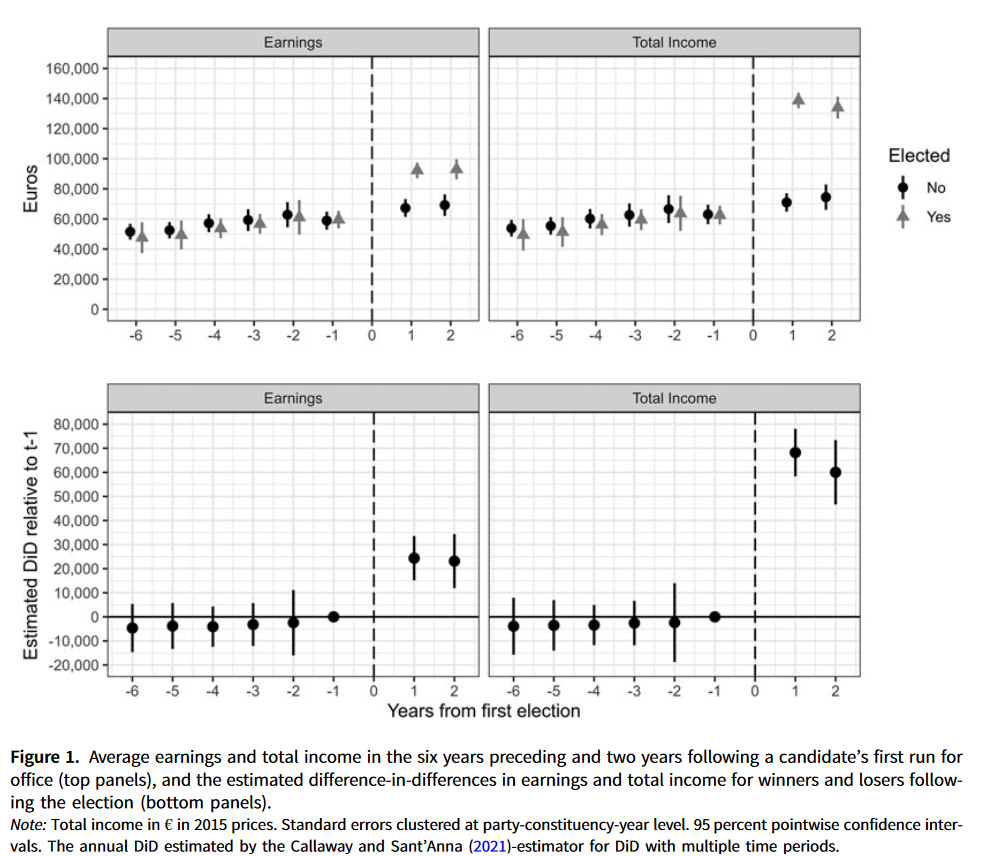
Dahlgaard, Jens Olav, Frederik K. Kjøller, und Nicolai Kristensen. „Reward or Punishment? The Distribution of Life-Cycle Returns to Political Office“. Political Science Research and Methods, 6. Januar 2025, 1–9. https://doi.org/10.1017/psrm.2024.67.
In @psrm.bsky.social, Dahlgaard, @fkjoeller.bsky.social and Kristensen research whether political careers are economically attractive. Using administrative data they find that based on total income all 🇩🇰 MPs experience short-term economic gains during their first term.
Stutzmann, Sophia. n.d. “Asymmetric Backlash against Structural Economic Change: The Electoral Consequences of the Coal Phase-out in Germany.” European Journal of Political Research n/a (n/a). Accessed February 7, 2025. https://doi.org/10.1111/1475-6765.70003.
IN EJPR, @slstutzmann.bsky.social studies electoral effects of coal phase-outs in 🇩🇪 with admin data & DID design. Punishment of issue owners (left parties) and abstention increase. Not caused by real economic decline but perceived deprivation & loss of status.