2023
#17 – 15.12.2023 and 11.01.2024
Lawyers as lobbyists in the U.S. – Responsiveness to bribery-reporting in Africa – Elite control and development in Brazilian municipalities – Descriptive representation and party building in Brazil – Policies advanced by the democratic party in the U.S.
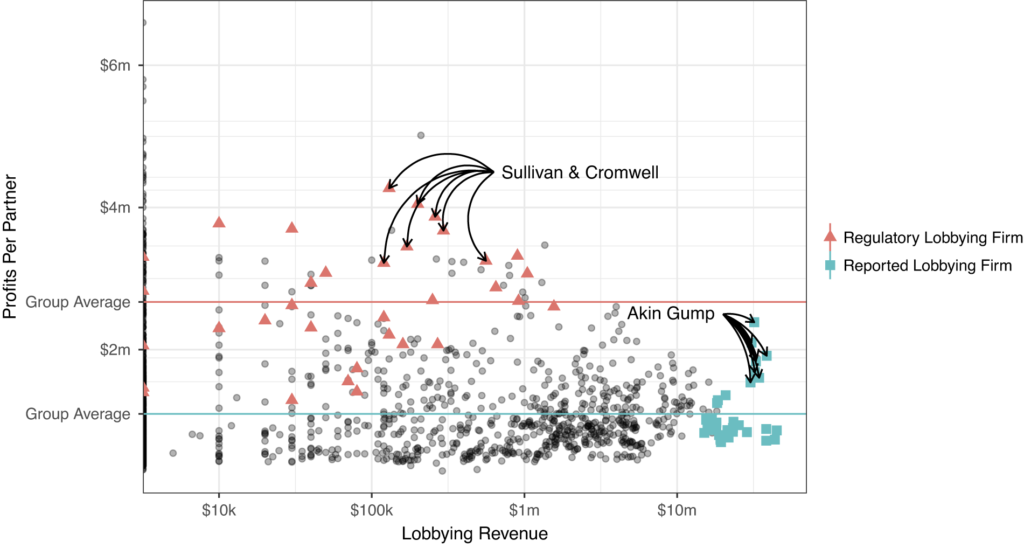
Libgober, Brian; Carpenter, Daniel. “Lawyers as Lobbyists 2004: Regulatory Advocacy in American Finance.” Perspectives on Politics, 1-20. doi:10.1017/S1537592723002943
In Perspectives on Politics, Libgober & Carpenter analyse the role of lawyers in 🇺🇸 regulatory lobbying. Using a wide data set they are able to describe a vast “world of regulatory influence-seeking”
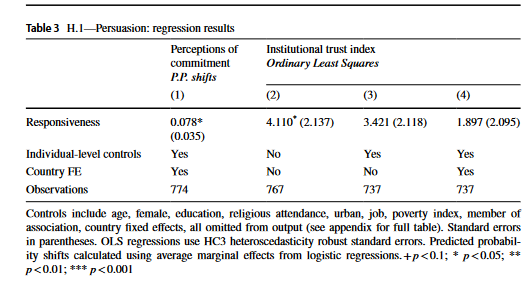
Barbabela, Letícia. 2024. “A positive feedback mechanism? Institutional responsiveness to bribery reporting by citizens in 12 African countries.” Crime Law Soc Change, 1-21. https://doi.org/10.1007/s10611-023-10137-3
In CLSC @letmeni.bsky.social studies whether responsiveness to bribery is associated with more institutional support and efficacy against corruption. Uses Afrobarometer data from 12 countries. Only finds some positive association between responsiveness and support:
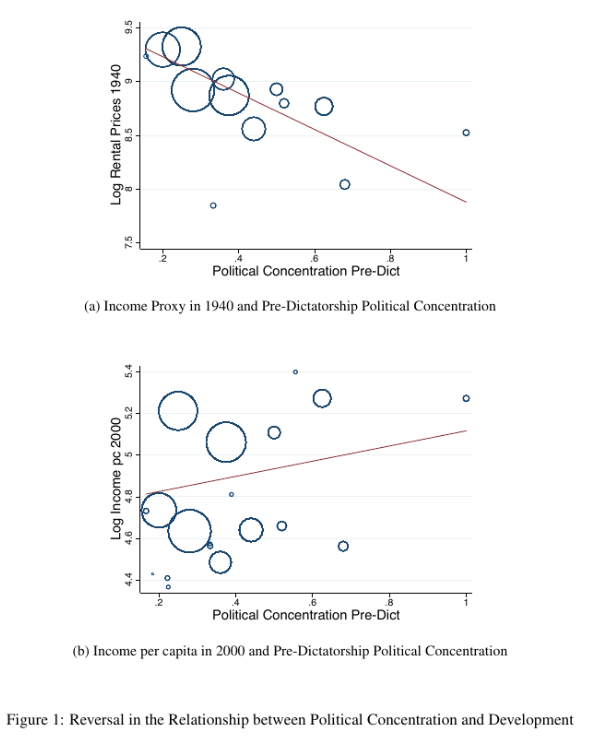
Ferraz, Cláudio; Finan, Federico; Martinze-Bravo, Monica. 2024. “Political Power, Elite Control, and Long-Run Development: Evidence from Brazil*.” Journal of the European Economic Association. DOI: 10.3386/w27456
To appear in JEEA, Ferraz, Finan & Martinez-Bravo study local power concentration & development in 🇧🇷. Formerly more concentrated places were worse off but fared better in the long run as the dictatorship particularly targeted them to increase political competition.
Goyal, Tanushree, and Cameron Sells. 2023. “Descriptive Representation and Party Building: Evidence from Municipal Governments in Brazil.” American Political Science eview, December, 1–16. https://doi.org/10.1017/S0003055423001168.
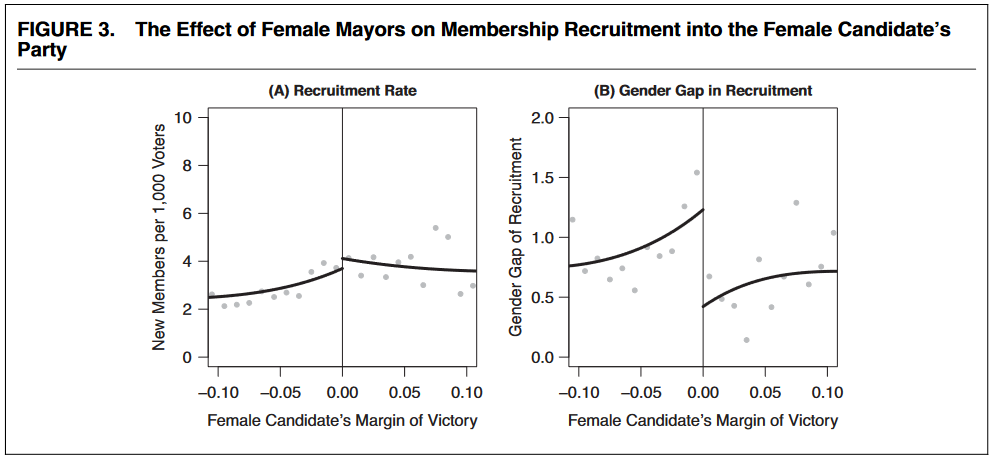
In APSR, Goyal & Sells the effect of female mayors on the gender gap in local member recruitment. Use administrative data in 🇧🇷. Show that women in mayoral office reduce gender gap of their local party and newly recruited male members to be more loyal to the party.
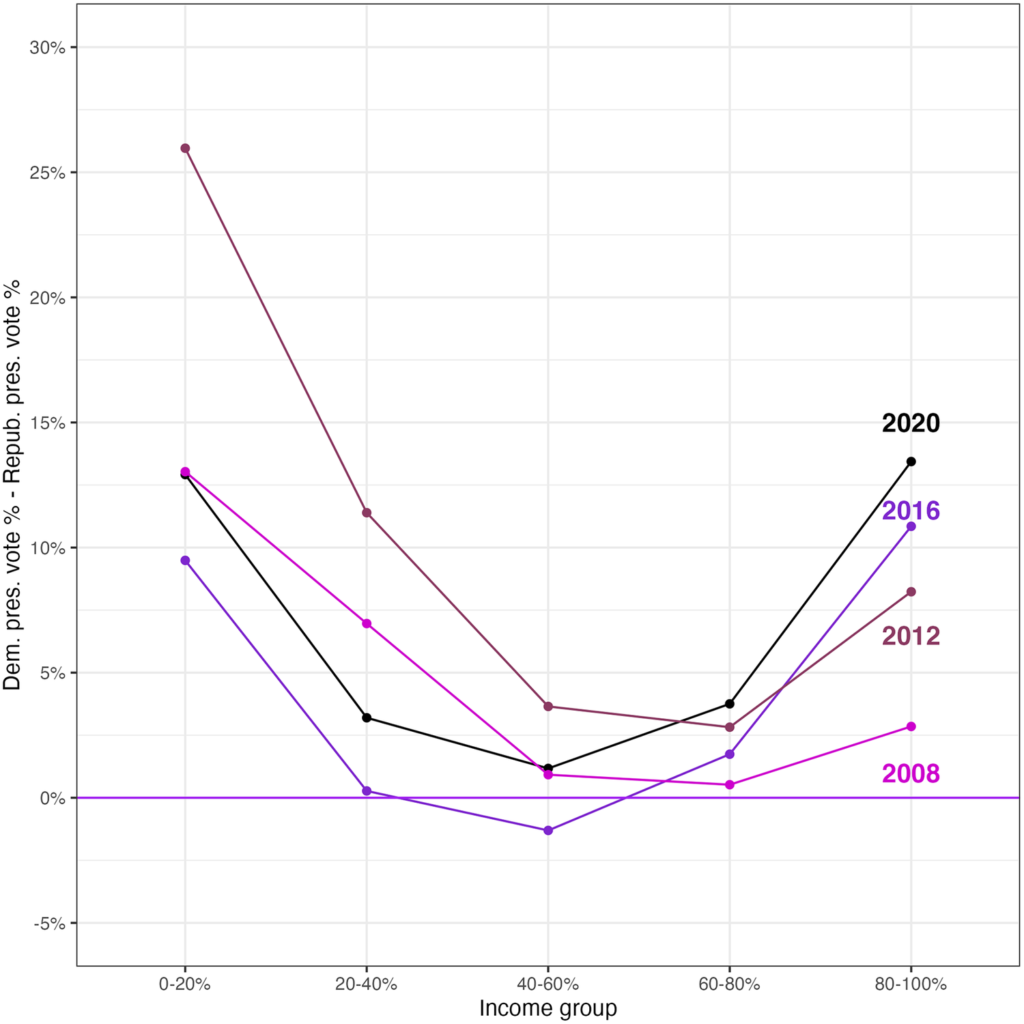
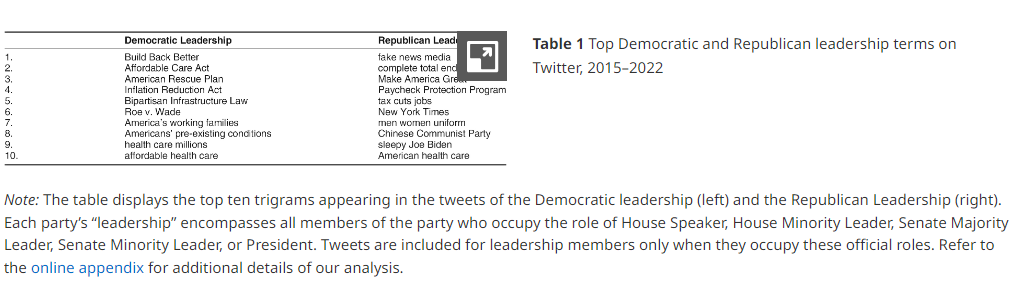
Hacker, Jacob S., Amelia Malpas, Paul Pierson, and Sam Zacher. 2023. “Bridging the Blue Divide: The Democrats’ New Metro Coalition and the Unexpected Prominence of Redistribution.” Perspectives on Politics, December, 1–21. https://doi.org/10.1017/S1537592723002931.
In Perspectives on Politics, @jacobhacker.bsky.social, @malpas.bsky.social , Pierson & Zacher analyse Democrats’ strategies to address economically U-shaped voter base. Focus on government spending, regulation and pre-distribution – reducing inequality before income.
#16 – 02.12.2023 and 14.12.2023
News & public opinion in the U.S. – Voter punishment of corruption in the U.K. – Place-based political trust in European Union – Deliberation & voting behaviour in Benin – Communicative responsiveness in the U.K.
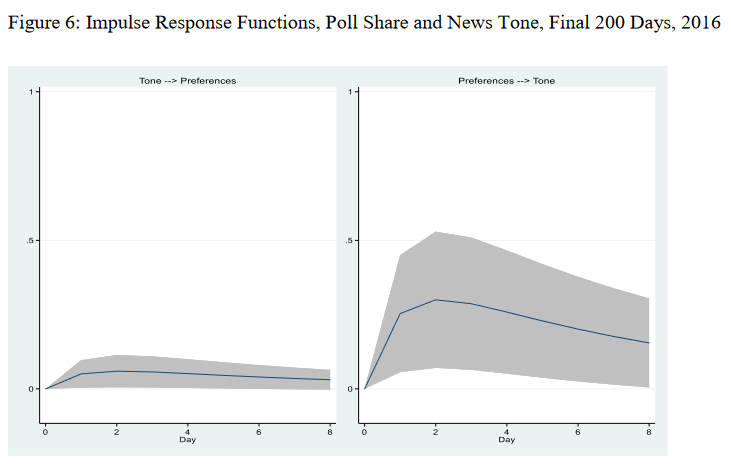
Wlezien, Christopher. 2023. “News and Public Opinion: Which Comes First?” The Journal of Politics. https://doi.org/10.1086/726940.
In @thejop.bsky.social, @cbwlezien.bsky.social analyzes direction of causality b/w public opinion & tone of news coverage. Survey & news data in 🇺🇸. Results indicate 2-way flows. Effects stronger from polls to news & when actors provide information to the other side.
Cheng-Matsuno, Vanessa and Daniel Berliner. 2023. “Do voters differentially punish transnational corruption?.” European Journal of Political Research https://doi.org/10.1111/1475-6765.12643
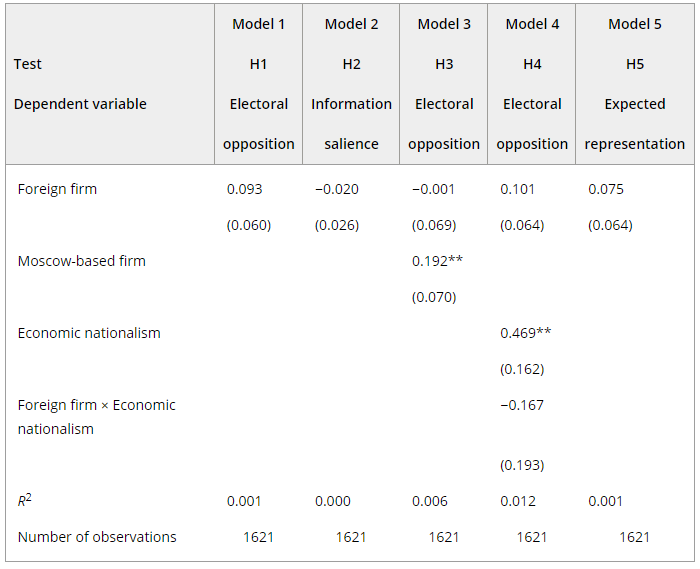
@vchengm.bsky.social & Berliner’s EJPR paper is about voters’ differential punishment of transnational corruption. Vignette experiment in the 🇬🇧. Electoral opposition only stronger when corruption involves Moscow instead of Berlin or London-based firm.
Hegewald, Sven. 2023. “Locality as a Safe Haven: Place-Based Resentment and Political Trust in Local and National Institutions.” Journal of European Public Policy 0 (0): 1–26. https://doi.org/10.1080/13501763.2023.2291132
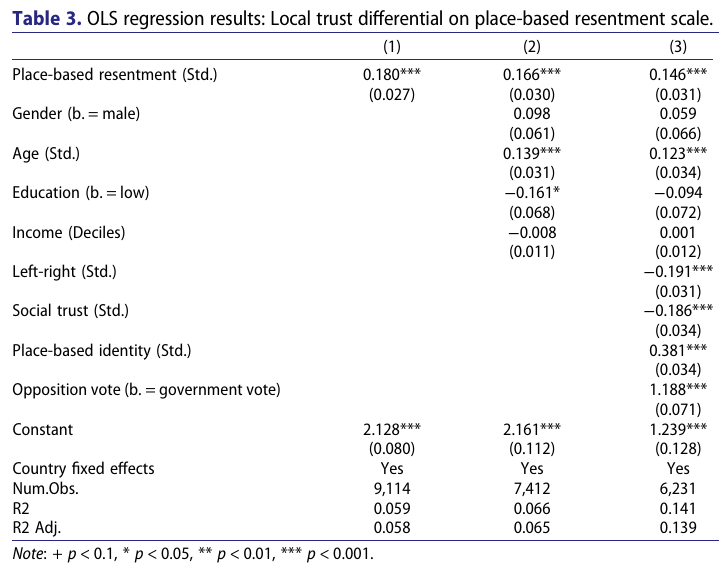
In JEPP @svenhegewald.bsky.social shows that places that feel disfavored, particularly in terms of political representation, tend have higher political trust at the local level relative to the national level. Original survey data from 9 EU countries.
Wantchekon, Leonard, and Jenny Guardado. 2023. “Deliberation and Ethical Voting Behavior: Evidence from a Campaign Experiment in Benin.” American Political Science Review, December, 1–17. https://doi.org/10.1017/S0003055423000813.
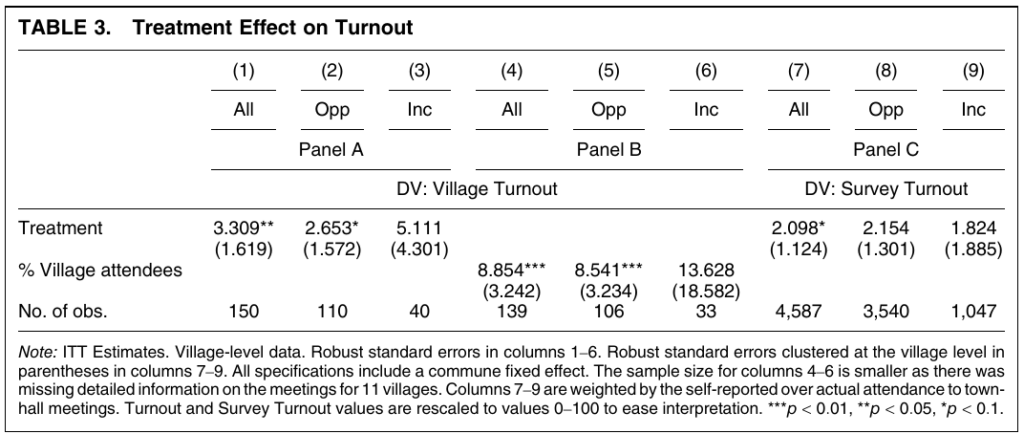
In APSR Wantchekon & Guardado conduct a field experiment in 🇧🇯 on deliberation in campaigns. Villages randomly assigned to campaign with deliberation as opposed to rallies have higher turnout and are better informed about candidates and issues.
Itzkovitch-Malka, Reut; Guy Mor, Odelia Oshri, Shaul Shenhav. 2023. “Talking representation: How legislators re-establish responsiveness in cases of representational deficits.” European Journal of Political Research https://doi.org/10.1111/1475-6765.12648
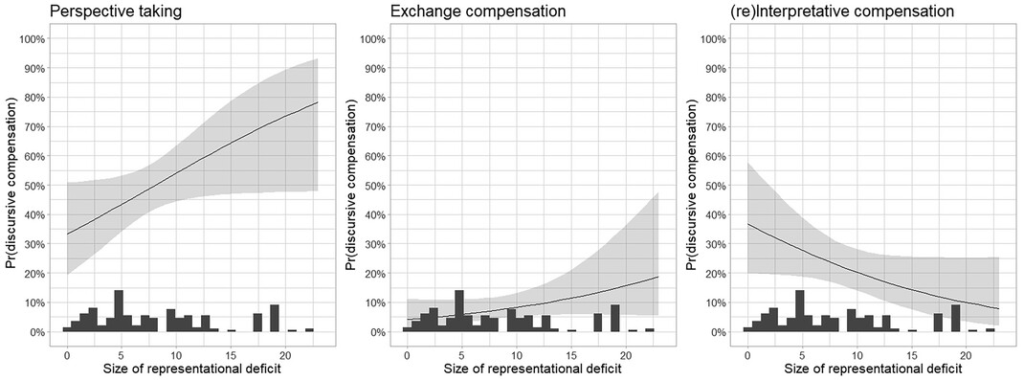
In EJPR Itzkovitch-Malka, Mor, Oshri & Shenhav ask: Do legislators use rhetoric to compensate their constituencies for representational deficit? QTA of parliamentary speeches during Brexit. Rhetorical effort increases with the size of the representation deficit.
#15 – 23.11.2023 and 30.11.2023
Far right support in Italy – Electoral effects of road provision in India – Voters’ expectations of parties in Australia & the U.K. – SES and adult outcomes in South Africa – Politicians’ spending decisions in Malawi
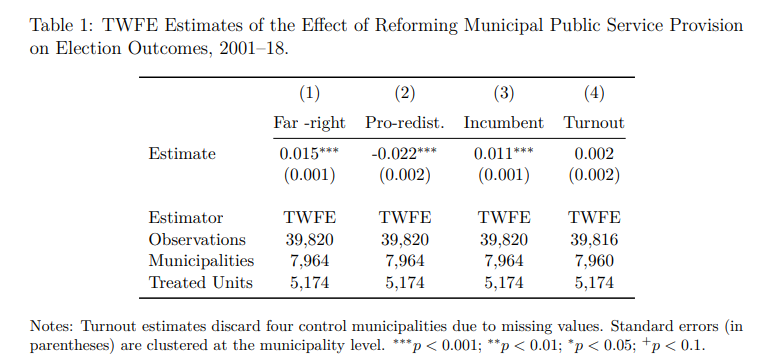
Cremaschi, Simone, Paula Rettl, Marco Cappelluti, and Catherine E. De Vries. 2023. “Geographies of Discontent: Public Service Deprivation and the Rise of the Far Right in Italy.” https://shorturl.at/AGH15
WP by @simonecremaschi.bsky.social @paularettl.bsky.social @marcocappelluti.bsky.social & De Vries on effect of public services on far right support in 🇮🇹 exploiting a policy that reduced provision in small towns. Diff in diff estimates show more far right support.
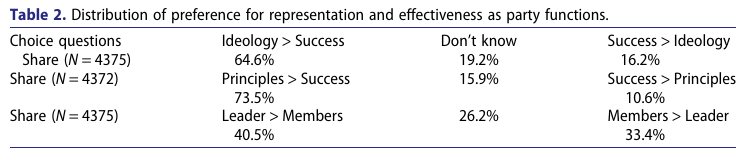
Werner, Annika, and Reinhard Heinisch. 2023. “Ideological Beasts or Effective Organizations? Do Voters’ Views of Democracy Affect Their Expectations of Political Parties?” Democratization: 1–24. https://doi.org/10.1080/13510347.2023.2278709.
In Democratization, Werner & Heinisch study how citizens relate to political parties: do they value more that they represent them better or that they win? Using surveys in 🇦🇺 & 🇬🇧 they find citizens value somewhat more interest representation than winning
Goyal, Tanushree. 2024. “Do citizens enforce accountability for public goods provision? Evidence from India’s rural roads program.” The Journal of Politics 86:1. https://doi.org/10.1086/726973
In @thejop.bsky.social Goyal studies electoral effects of public goods provision. Large-scale administrative data from 🇮🇳’s rural roads program. FD OLS and IV approach. Road provision does not boost electoral support for the ruling party

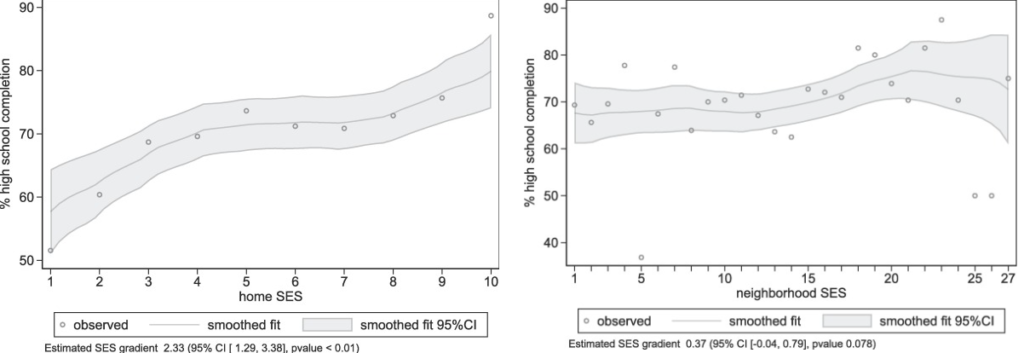
Loss, Georg, Sara Naicker, Linda Richter, and Günther Fink. 2024; “Early life determinants of social disparities among young adults: A longitudinal study in vulnerable communities in South Africa.” World Development 175:106465. https://doi.org/10.1016/j.worlddev.2023.106465
In WD Loss, Naicker, Richter & Fink study importance of home and area SES for educational attainment and criminality. Longitudinal data from a low-income community in 🇿🇦. Compared to area, home SES more strongly associated to adult outcomes, such as school completion.
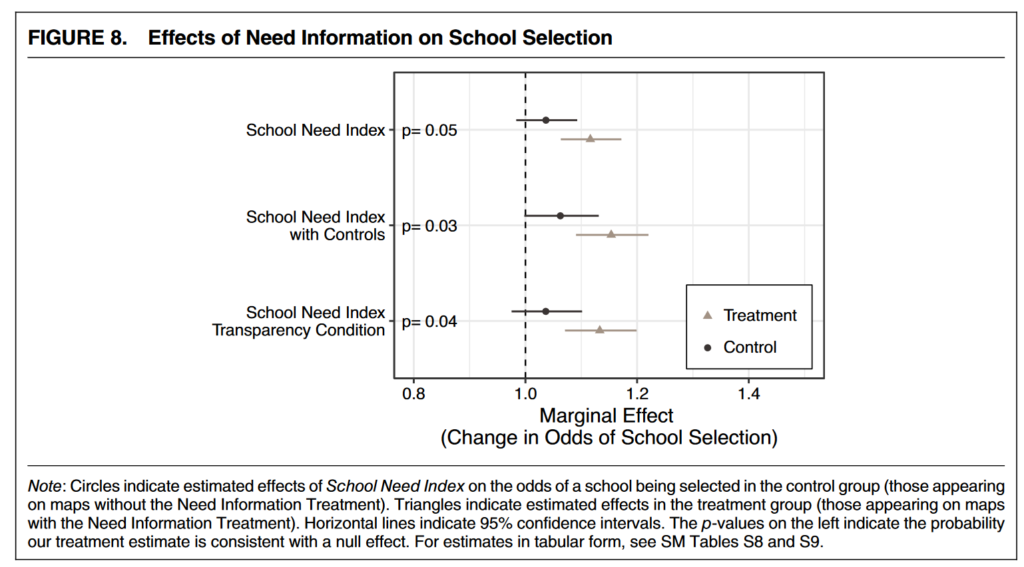
Jablonski, Ryan, and Brigitte Seim. 2023. “What Politicians Do Not Know Can Hurt You: The Effects of Information on Politicians’ Spending Decisions.” American Political Science Review, November, 1–21. https://doi.org/10.1017/S0003055423001132.
In AJPS @ryanjablonski.bsky.social & Seim study effect of information on politician spending decisions in Malawi. Information reduces spending inequality. Need information increases allocation to high-need areas and aid information reduces allocation to highaid areas.
#14 – 01.11.2023 and 16.11.2023
Views of minipublics in Belgium – class-based appeals in Denmark – timing of corruption lawfare in Argentina – new dataset on chiefs of staff in Australia, Canada, New Zealand and U.K. – effects of gentrification on representation in the U.S.
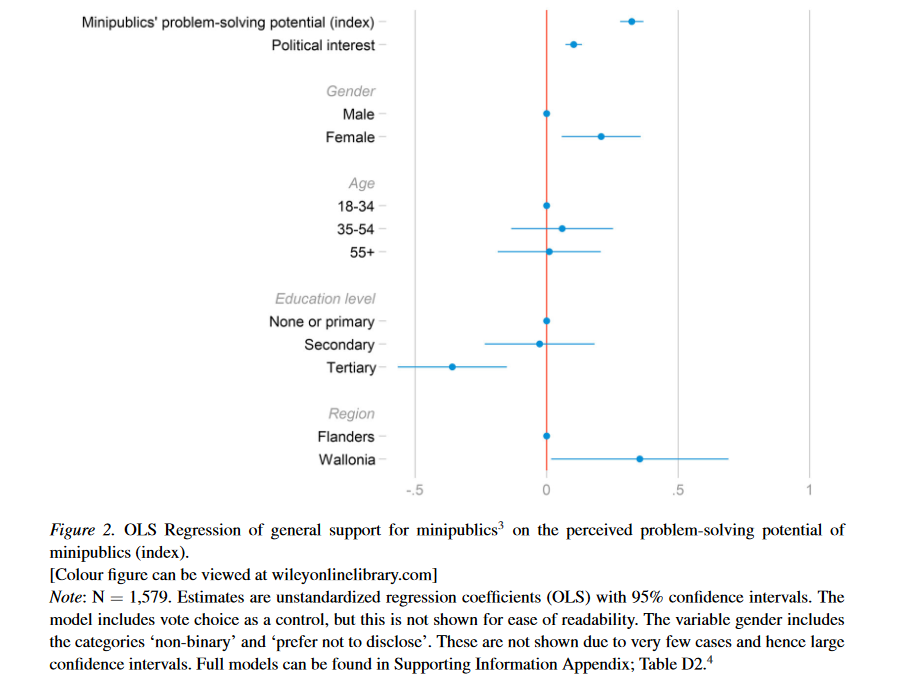
Van Dijk, Lisa, Hannah Werner, and Sofie Maren. 2023. “The Perceived Problem‐solving Potential of Deliberative Minipublics: Evidence from a Survey of Belgian Citizens.” European Journal of Political Research, November. https://doi.org/10.1111/1475-6765.12639.
In EJPR, @lisavandijk.bsky.social, Werner & Marben study political dissatisfaction & citizens’ perception of minipublics as problem-solvers. Use survey data in 🇧🇪. Show positive perception leads to support for use. Effect stronger for women & negative for education.
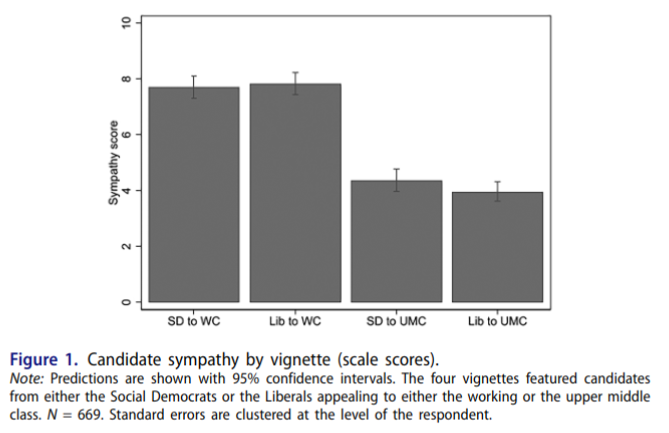
Stubager, Rune, and Mads Thau. 2023. “How Do Voters Interpret Social Class Appeals? Lessons from Open-Ended Responses.” West European Politics, https://doi.org/10.1080/01402382.2023.2274726.
In @wepsocial.bsky.social, Stubager & Thau study with a survey experiment voter reactions to symbolic (as opposed to policy-based) class-based appeals in 🇩🇰. Declaring to care about the working class is valued by citizens, even if done by a rightwing party.
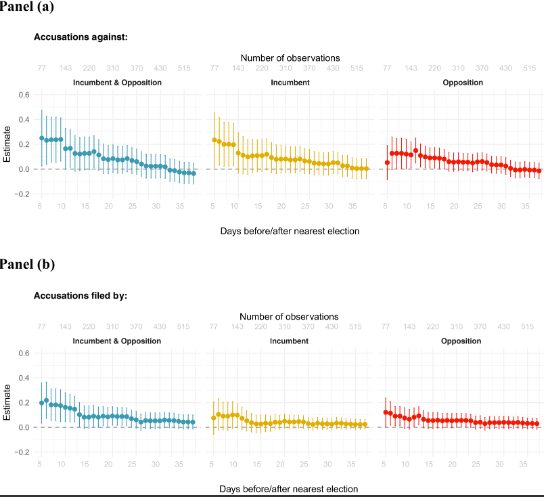
Feierherd, Germán, Ezequiel Gonzalez-Ocantos, and Guadalupe Tuñón. 2023. “Witch Hunts? Electoral Cycles and Corruption Lawsuits in Argentina”. British Journal of Political Science, 1–20. doi:10.1017/S000712342300042.
In @bjpols.bsky.social Feierherd @egocantos.bsky.social & Tuñón study lawfare by focusing on the electoral timing of corruption accusations. Novel dataset of court procedures in 🇦🇷 over 8 yrs. Find more complaints filed against and by politicians right before elections.
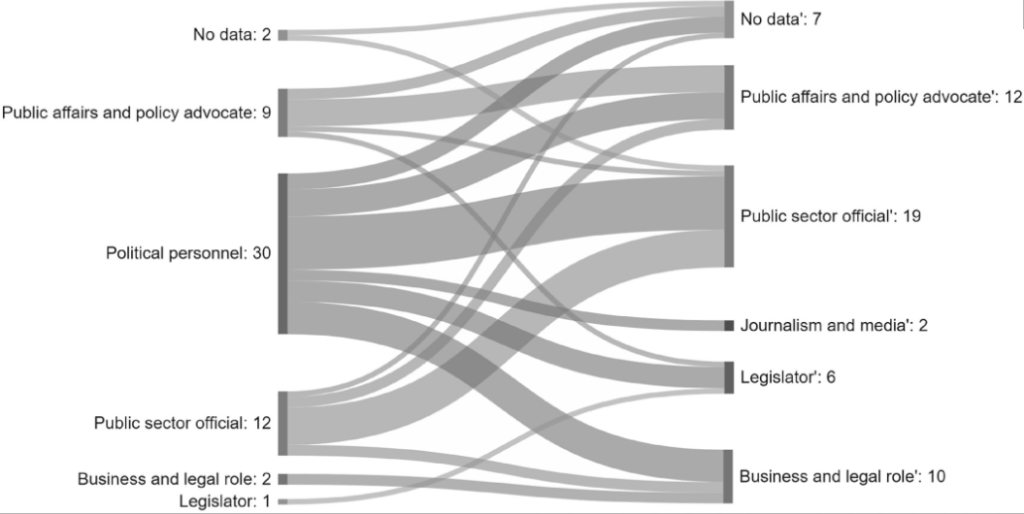
Heath Pickerings, Tom Bellens, and Marleene Brans, “The Prime Minister’s Chief of Staff: Comparing Profiles and Trends in Westminster Democracies, 1990–2021,” Governance, accessed November 16, 2023, https://onlinelibrary.wiley.com/doi/full/10.1111/gove.12834.
In @govjournal.bsky.social Pickerings, Bellens & Brans study chiefs of staff’s profiles in 🇦🇺, 🇨🇦, 🇳🇿, and 🇬🇧. Use prosopography to create a novel dataset covering 56 individuals from 1990 to 2021. Most come from politics but move into different paths.
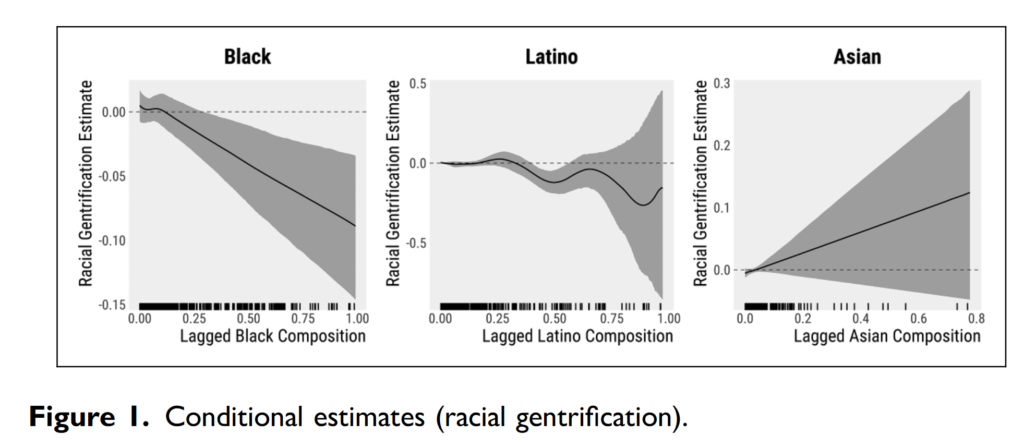
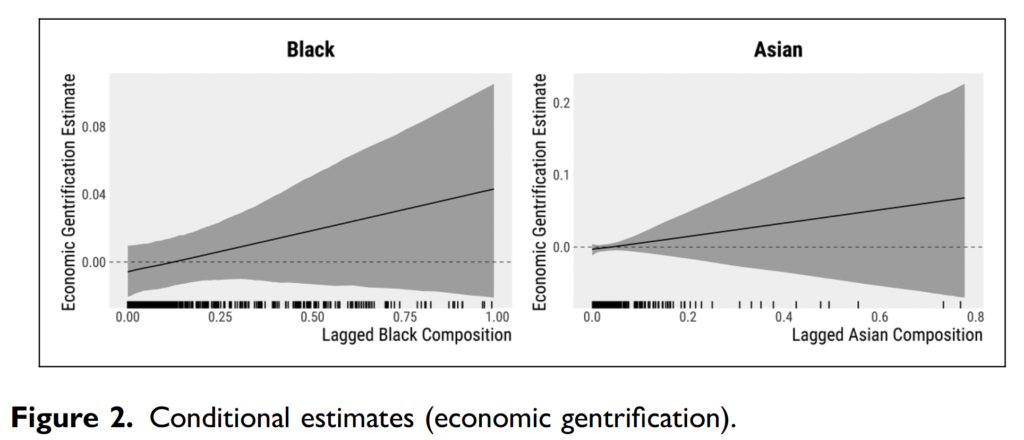
Lee, Diana Da In, and Yamil Ricardo Velez. 2023. “Rising Tides or Political Ripcurrents? Gentrification and Minority Representation in 166 Cities.” Urban Affairs Review, November, 10780874231210768. https://doi.org/10.1177/10780874231210768.
In Urban Affairs Lee & @yamilrvelez.bsky.study impact of gentrification on minority representation in 166 US city councils. Economic and racial gentrification distinct. Economic gentrification can increase minority representation, racial gentrification reduces it.
#13 – 18.10.2023 and 02.11.2023
Unequal responsiveness to men and women in 43 countries – Billionaires in politics across the world – Identifying widespread corruption in Czech Republic – Policy returns and voters’ support for politicians in the U.S. – Civic duty and turnout in Spain
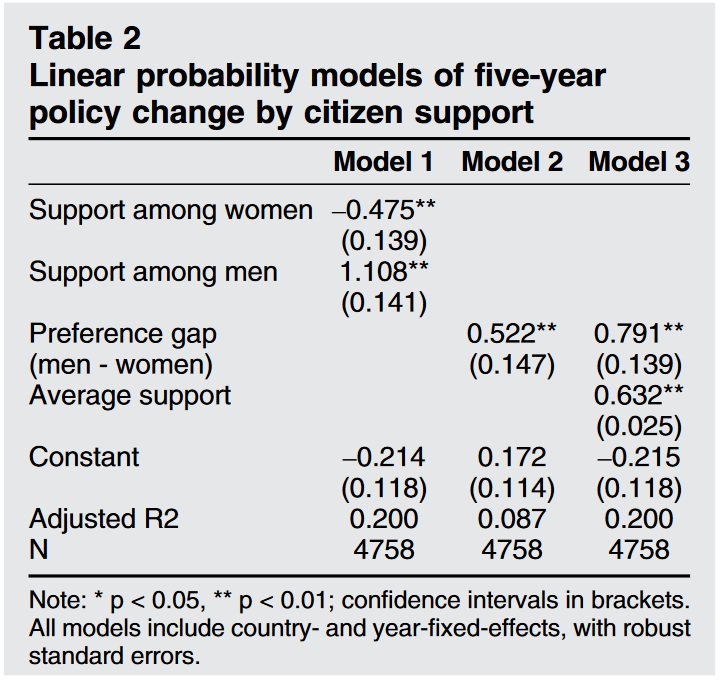
Persson, Mikael, Wouter Schakel, and Anders Sundell. 2023. “A Man’s World? The Policy Representation of Women and Men in a Comparative Perspective.” Perspectives on Politics, October, 1–17. https://doi.org/10.1017/S1537592723002049.
In PoP, Persson, Schakel & Sundell study gender political inequality in policy responsiveness. 43 countries over time. Match preferences with actual policy change. Women’s policy preferences underrepresented. More women in politics & labor market reduces bias.
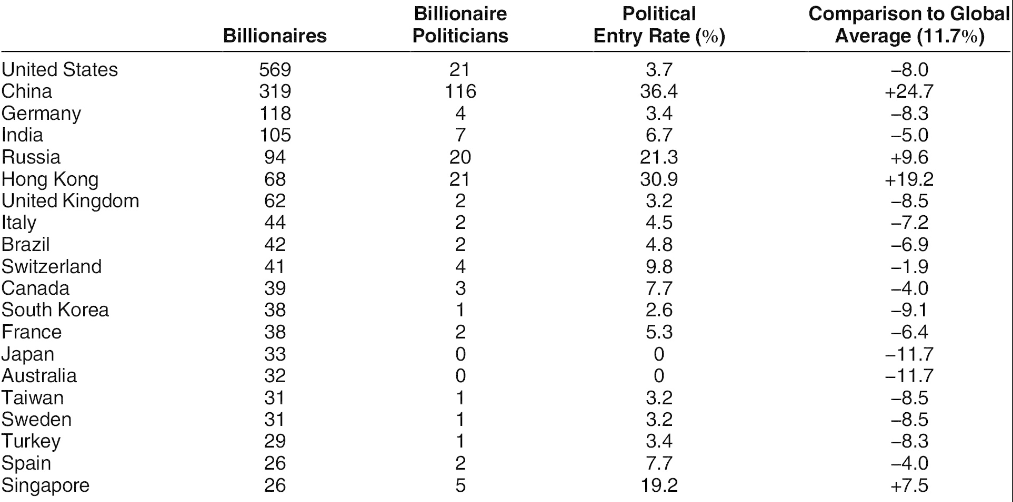
Krcmaric, Daniel, Stephen C. Nelson, and Andrew Roberts. 2023. “Billionaire Politicians: A Global Perspective.” Perspectives on Politics, 1–15. doi:10.1017/S1537592723002761
Krcmaric, Nelson & @andrewroberts.bsky.social’s PoP paper presents an original dataset of billionaires’ direct involvement in politics. Covers 2,000 individuals across the world. Billionaire political participation is above average in 🇨🇳, 🇷🇺, 🇭🇰, & 🇸🇬
Gawthorpe, Steven, and Joseph Pozsgai-Alvarez. 2023. “How to Identify Widespread Corruption? New Insights from Geo-Spatial Analysis.” Governance, October, 1-22. https://doi.org/10.1111/gove.12832.
In Governance, Gawthorpe & Pozsgai-Alvarez investigate corruption as informal institution in 🇨🇿. Show construction companies that donate to political parties are more likely to be awarded public projects. Effect stable over time and in most regions of 🇨🇿.
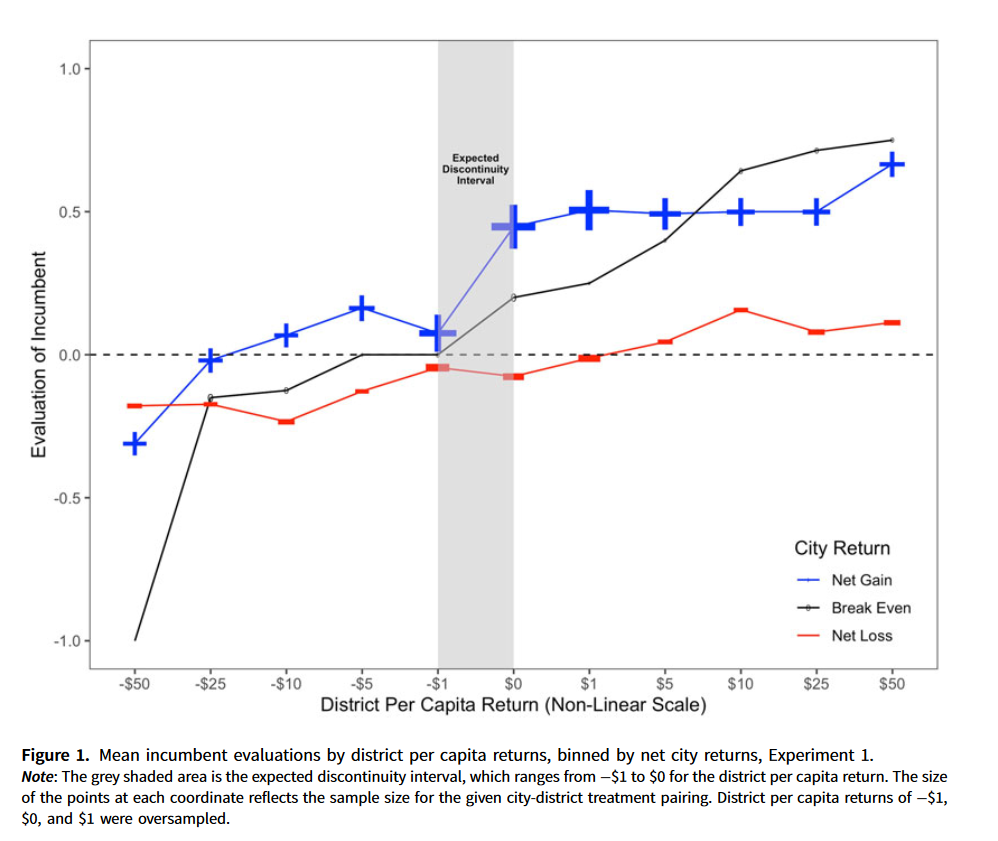
Gerber, Alan S., Gregory A. Huber, Patrick D. Tucker, and John J. Cho. 2023. “The Importance of Breaking Even: How Local and Aggregate Returns Make Politically Feasible Policies.” British Journal of Political Science, October, 1–18. https://doi.org/10.1017/S0007123423000522.
In @bjpols.bsky.social Gerber, Huber, Tucker & Cho study if voters punish politicians supporting policies that are beneficial on aggregate but hurt their locality. Find discontinuity at 0: whether or not locality is hurt matters more than how much it is benefitted or hurt.
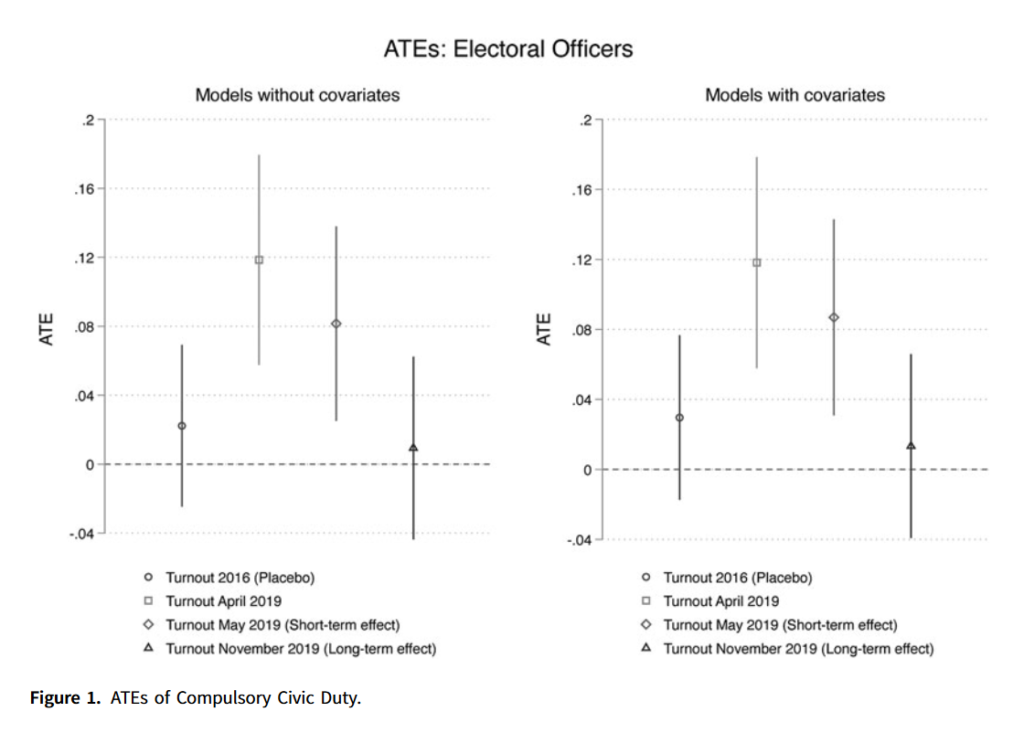
Artes, Joaquin, and Ignacio Jurado. 2023. “Compulsory Civic Duty and Turnout: Evidence from a Natural Experiment.” Political Science Research and Methods, October, 1–10. https://doi.org/10.1017/psrm.2023.44.
In PSRM, Artes & @jurado.bsky.social study effect of being randomly selected as electoral officer for political behavior in Spain. Forced civic duty has strong short-term effect on turnout, but fades over time. Attitudes toward democracy & trust not affected.
#12 – 10.10.2023 and 20.10.2023
Citizens’ reactions to high-profile corruption trials in Brazil – Class and spatial inequalities in Brazilian cities – Citizens’ lobby in the Netherlands – Clientelism in Africa – Fiscal preferences in Mexico
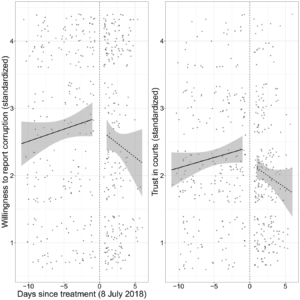
Barbabela, Letícia. (2023) “Judicial Inconsistency and Citizen Anti-Corruption Demobilization: Evidence from Brazil.”Government and Opposition, 1–20. doi:10.1017/gov.2023.36
In G&O @letmeni.bsky.social asks: how do ordinary citizens react to judicial inconsistency in corruption trials? Uses real high-profile case in 🇧🇷 as an unexpected event during survey. Show decrease in trust in courts & willingness to report corruption
Xu, Alice Z. 2023. “Segregation and the Spatial Externalities of Inequality: A Theory of Interdependence and Public Goods in Cities.” American Political Science Review, October, 1–18. https://doi.org/10.1017/S0003055423000722.
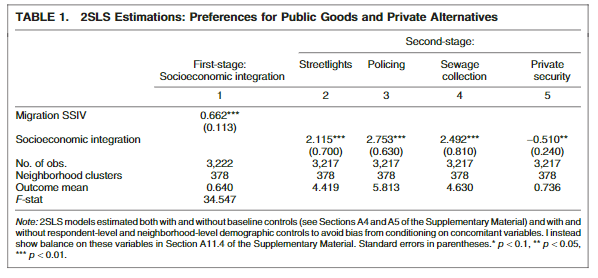
In AJPS @alicexu.bsky.social studies preferences for urban public good provision. New theory about spatial externalities of inequality. Focus groups, original survey & IV approach in 🇧🇷. Integration induces middle-class preferences for public rather than private goods
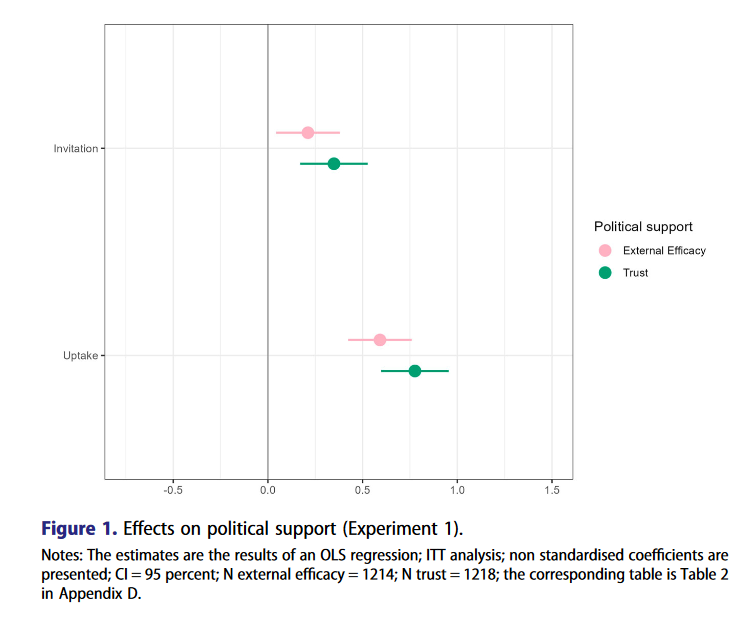
Aizenberg, Ellis, Hannah Werner, and Sharon van Geldere. 2023. “Helping Citizens to Lobby Themselves. Experimental Evidence on the Effects of Citizen Lobby Engagement on Internal Efficacy and Political Support.” Journal of European Public Policy 0 (0): 1–30. https://doi.org/10.1080/13501763.2023.2266459.
In JEPP, @aizenbergellis.bsky.social Werner and van Geldere shows that governments’ active engagement in citizen lobby process increases external efficacy and local government trust. Uses 2 survey experiments in the Netherlands.
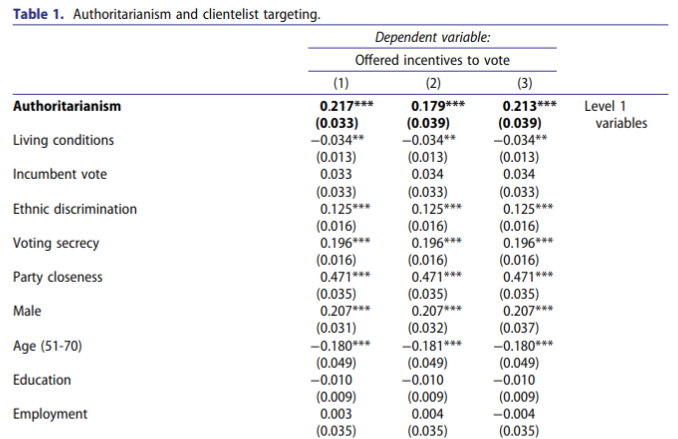
Stankov, Nemanja. 2023. “Offer Money, They Will Accept: Linkages between Authoritarian Tendencies and Clientelist Targeting in Africa.” Democratization 0 (0): 1–26. https://doi.org/10.1080/13510347.2023.2267453.
In Democratization, Stankov shows that citizens with authoritarian attitudes are more likely to be targeted by vote buying. Argues it is because they are more likely to comply with brokers instructions. Analysis using Afrobarometer data.
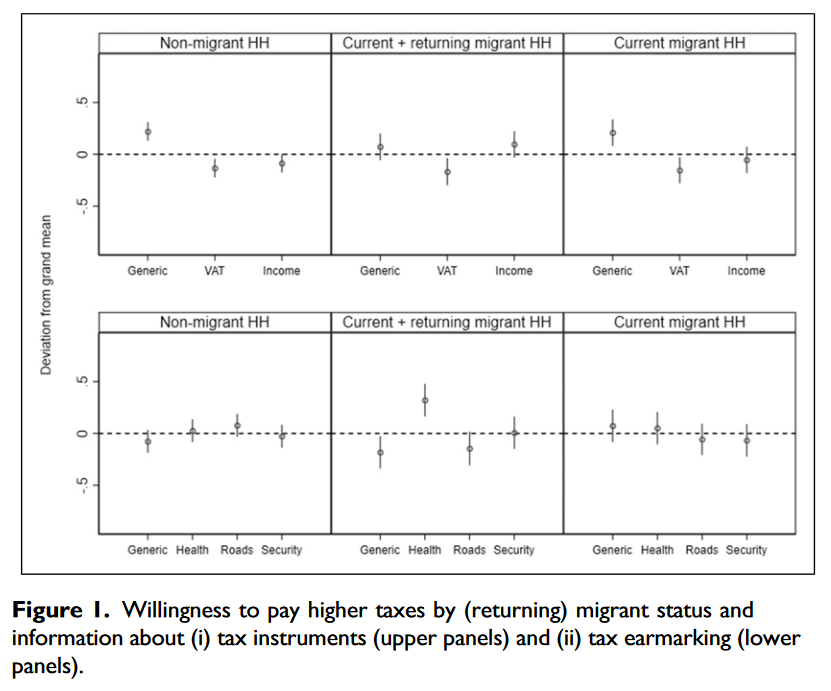
López García, Ana Isabel, Sarah Berens, and Barry Maydom. 2023. “Emigration, Social Remittances and Fiscal Policy Preferences: Experimental Evidence From Mexico.” Comparative Political Studies, October, 00104140231204235. https://doi.org/10.1177/00104140231204235.
In@cpsjournal.bsky.social, @anaisgarcia.bsky.social, Berens & Maydom investigate effect of migrant experiences on home country tax preferences. Survey experiment in Mexico. Find exclusion from welfare in US increases returning migrants support of progressive taxation
#11 – 22.09.2023 and 09.10.2023
Mutual responsiveness in the Netherlands – Policy expertise and responsiveness in Sweden – Representation of manual workers in Germany – Elite career paths in Denmark – Bloc voting in Brazil
Joosten, Max. 2023. “Who Influences Whom? Inequality in the Mutual Responsiveness between Voters and Elites.” Journal of European Public Policy 0 (0): 1–26. https://doi.org/10.1080/13501763.2023.2260810.
In JEPP Joosten study bridges literatures of unequal representation and unequal adaptation to elite cues. Dutch time-series data. Warns about reverse causality as affluent voters adapt more strongly to party position
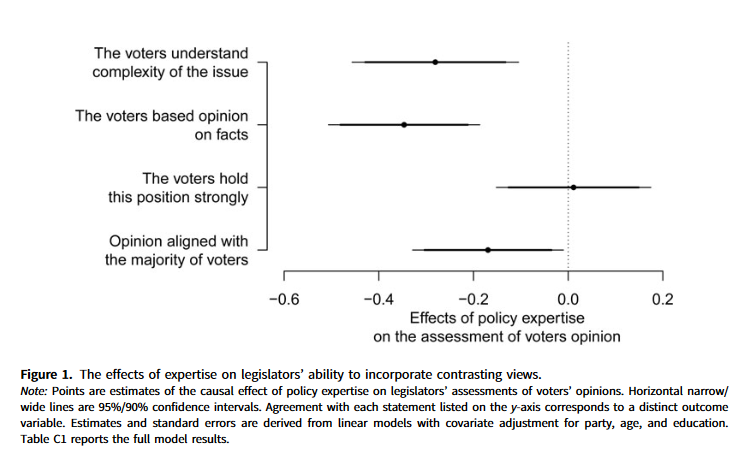
Pereira, Miguel M., and Patrik Öhberg. 2023. “The Expertise Paradox: How Policy Expertise Can Hinder Responsiveness.” British Journal of Political Science, October, 1–18. https://doi.org/10.1017/S0007123423000303.
In BJPS @miguelpereira.bsky.social and Patrik Öhberg investigate effect of politician policy expertise on responsiveness. Experiments with Swedish politicians. More expertise makes politicians believe voters don’t understand complexity & facts of issue & less likely to think voter opinion represents majority.
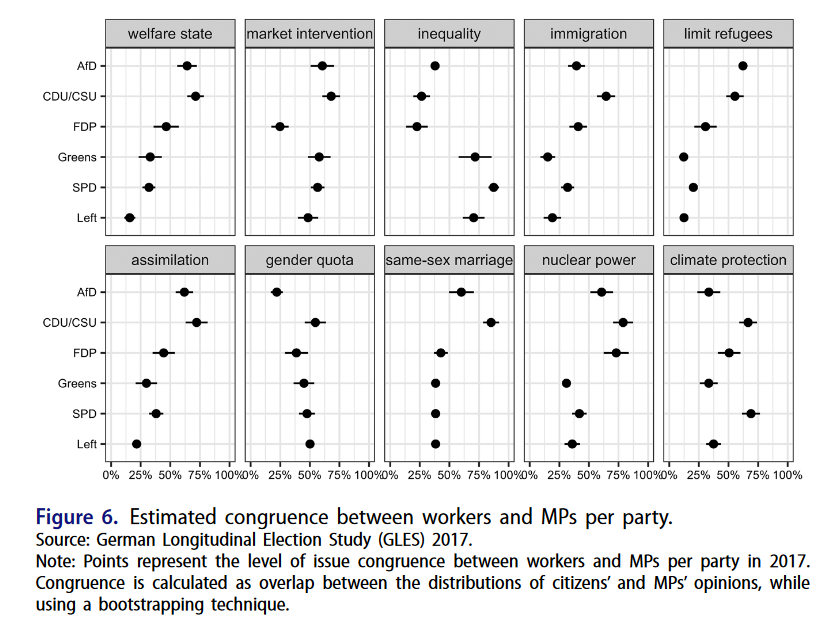
Kübler, Marie. 2023. Who Speaks for Manual Workers? Unequal Congruence in the 2017 German Federal Election. West European Politics: 1–27. https://doi.org/10.1080/01402382.2023.2254637.
In WEP, Kübler analyzes opinion congruence of workers & MPs in Germany. Compared to other classes, low congruence between workers and MPs. For individual issues, high congruence w/ different parties, esp on immigration (AfD) & income inequality (Greens, SPD & Left).
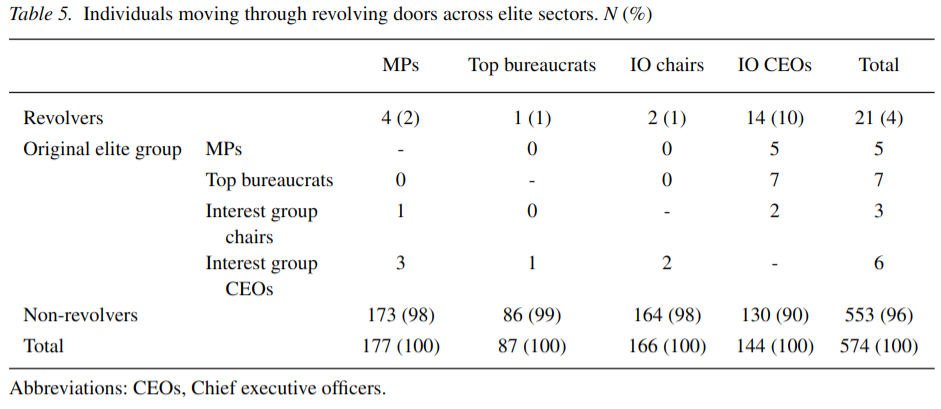
Binderkrantz, Anne Skorkjær, Jørgen Grønnegård Christensen, Peter Munk Christiansen, Marie Kaldahl Nielsen, and Helene Helboe Pedersen. n.d. “Closed Shutters or Revolving Doors? Elite Career Track Similarity and Elite Sector Transfers in Denmark.” European Journal of Political Research n/a (n/a). Accessed October 9, 2023. https://doi.org/10.1111/1475-6765.12627.
In EJPS, @annebind.bsky.social & co-authors collect data on careers of +500 political elites in 🇩🇰: MPs, top bureaucrats and leaders of interest organizations. Careers paths are fairly distinct across groups; few individuals hold different types of elite position.
Cooperman, A. D. (2023). 2023. “Bloc Voting for Electoral Accountability.”American Political Science Review, 1–18. https://doi.org/10.1017/S0003055423000989
In APSR, @acooperman.bsky.socia studies prerequisites & success of bloc voting in Brazil. Uses conjoint experiment, electoral data and interviews. Trust and ability to show loyalty make bloc voting more likely. Bloc voting improves water access for association members.

#10 – 08.9.2023 and 21.09.2023
Allocation of privately financed infrastructure in middle income countries – Indirect taxes and accountability – Voter’s fiscal adjustment preferences in Latin America – The relationship between political trust and democracy – Clientelism and redistribution in 🇿🇦
Woodhouse, Eleanor F. (2019). “The distributive politics of privately financed infrastructure agreements“. Governance, (September 15, 2023). https://doi.org/10.1111/gove.12824
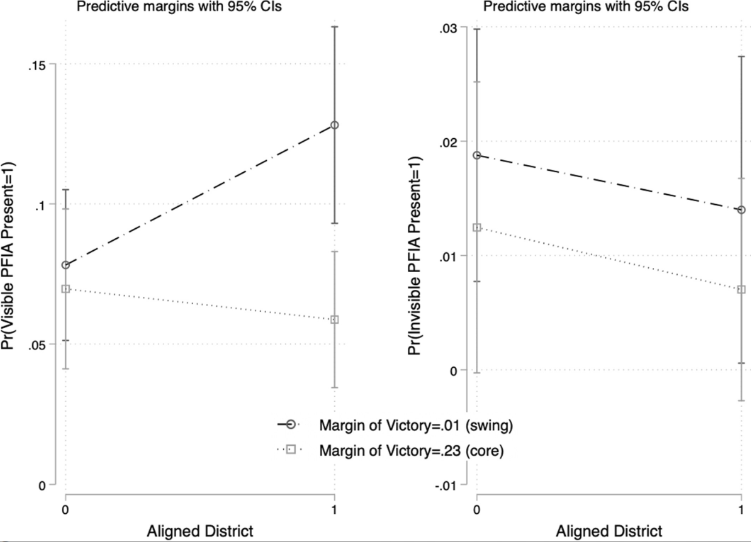
In @Gov_Journal @woodhouseleanor’s distributive politics study focuses on privately financed infrastructure projects. Data from 16 middle income countries. Projects targeted to swing districts aligned with national government, particularly when visible
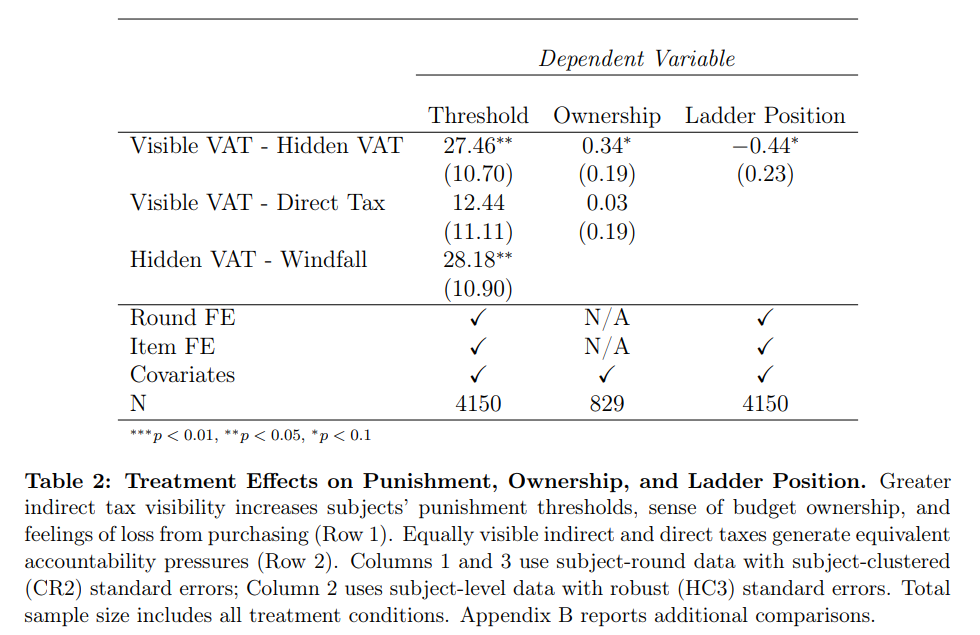
Cuesta, Brandon de la, Lucy Martin, Helen V. Milner, and Daniel L. Nielson. 2023. “Do Indirect Taxes Bite? How Hiding Taxes Erases Accountability Demands from Citizens.” The Journal of Politics, March, 000–000. https://doi.org/10.1086/724962.
In @The_JOP Cuesta @lucy_es_martin @hvm1 & Nielson study taxation and political accountability using experiments in 🇺🇬. VAT induces less accountability than personal income tax, because VAT is less visible
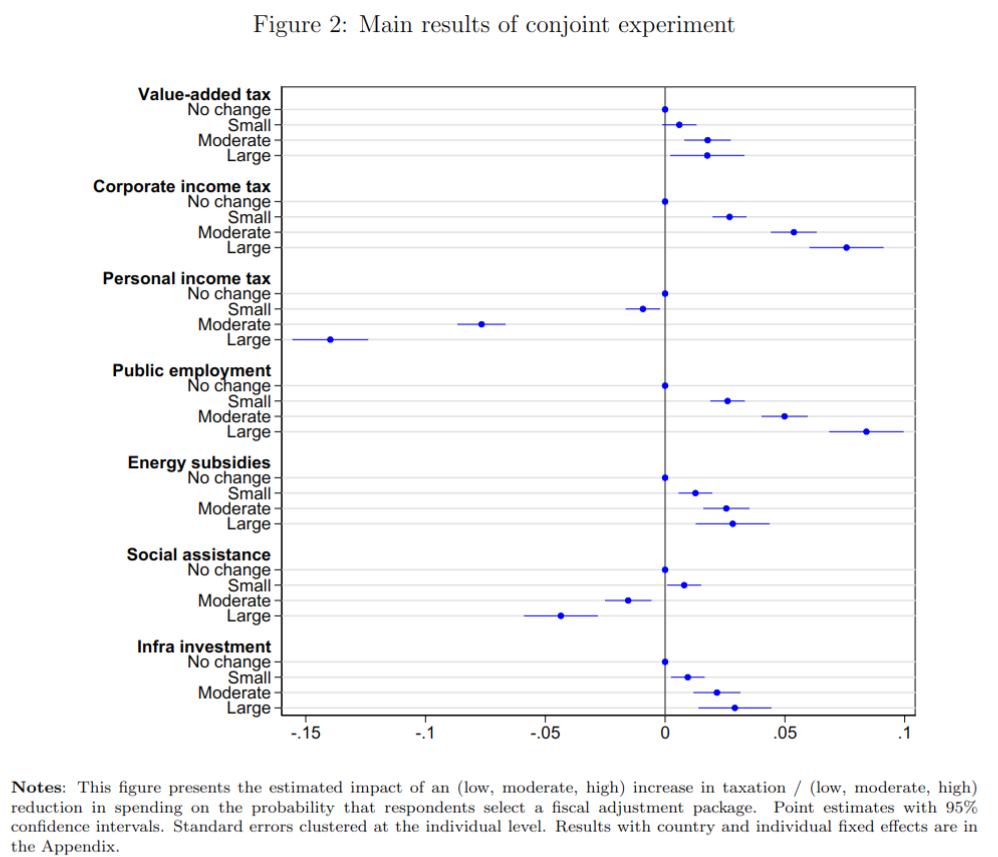
Ardanaz, Martin; Hübscher, Evelyne; Keefer, Philip, & Sattler, Thomas (2023). “Voters’ Preferences over the Composition of Fiscal Adjustment: Experimental Evidence from Latin America.” (September 2023) http://dx.doi.org/10.18235/0005119.
In a @the_IDB WP, Ardanaz, Keefer, @EveHubscher & @SattlersThomas use conjoint experiment in 🇧🇷🇨🇴🇨🇷🇵🇪 to study preferences over ways of reducing budget deficit. Increasing income tax and reducing social assistance the least preferred options
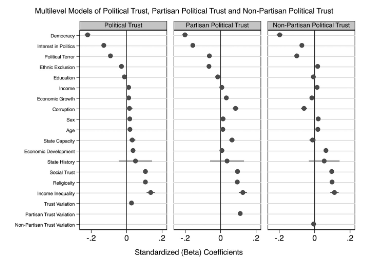
Dawson, Andrew, and Isabel L. Krakoff. 2023. “Political Trust and Democracy: The Critical Citizens Thesis Re-Examined.” Democratization 0 (0): 1–23. https://doi.org/10.1080/13510347.2023.2257607.
In @democ_journal @ AND_Dawson & @IzzyLK examine relationship btw. regime type & political trust in 82 countries. Robust negative relationship between democracy & trust. Interpret as support for thesis that democracies have more critical citizens
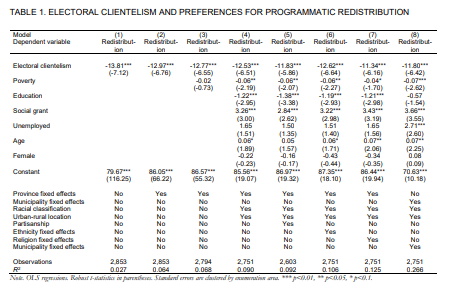
Bauhr, Monika, & Justesen, Mogens. K. (2023). “Electoral Clientelism and Redistribution“. Quality of Government Working Paper Series, 2023(10), (September 223). https://hdl.handle.net/2077/78483.
In @QoGData WP Bauhr & @mkjustesen study relationship between clientelism and demand for redistribution in 🇿🇦. Find strong negative association between involvement in clientelism & preferences for programmatic redistribution on education or health.
#9 – 25.08.2023 and 07.09.2023
Collective-Action in Mexico City – Descriptive Representation Worldwide – Minority Representation and Forest Conservation in India – Discretionary Governmental Transfers in Argentina – Natural Disasters and Clientelism in Honduras
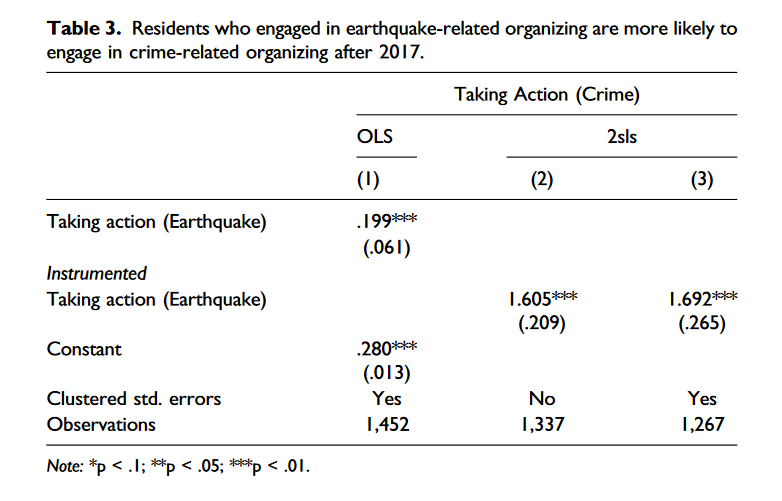
Chriswell, Kaitlyn, and Alyssa Huberts. 2023. “Collective Action Infrastructure: The Downstream Effects of Urban Neighborhood Organizing.” Comparative Political Studies, September, 00104140231193018. https://doi.org/10.1177/00104140231193018.
In @cps_journal @KChriswell9 & @AlyssaHuberts study variation in neighborhood problem-solving. Online survey in Mexico City. Those who organised for earthquake more likely to organise over crime later. Collective-action infrastructure serves other issues.
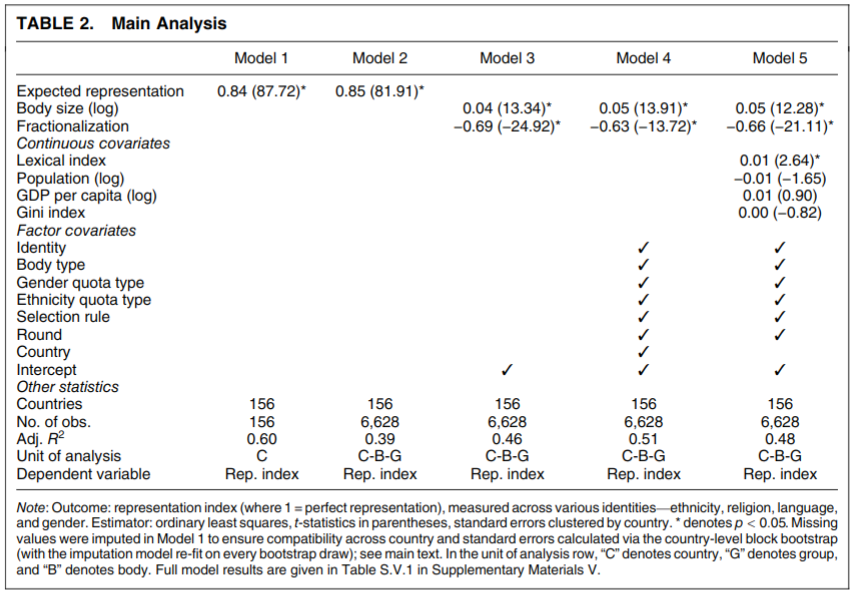
Gerring, John, Connor T. Jerzak, and Erzen Öncel. 2023. “The Composition of Descriptive Representation.” American Political Science Review, September, 1–18. https://doi.org/10.1017/S0003055423000680.
In @apsrjournal Gerring @JerzakConnor@ozyeginuni estimate the extent of descriptive representation in a sample of over fifty thousand politicians in 156 countries. Main drivers of variation are compositional: size of the body and heterogeneity of population
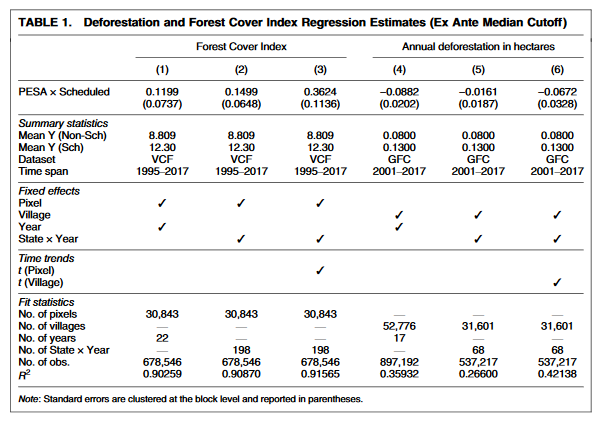
Gulzar, Saad, Apoorva Lal, and Benjamin Pasquale. 2023. “Representation and Forest Conservation: Evidence from India’s Scheduled Areas.” American Political Science Review, September, 1–20. https://doi.org/10.1017/S0003055423000758.
In @apsrjournal @saadgulzar @Apoorva__Lal & @bjpasquale ask how political representation affects forest conservation. DiD exploits law boosting Scheduled Tribes’ local representation in India. More conservation in scheduled areas where law was implemented
Clerici, Paula, Lucía Demeco, Franco Galeano, and Juan Negri. n.d. “Mudding the Playing Field. Fiscal Contributions to Municipalities as a Political Construction.” Governance n/a (n/a). Accessed September 7, 2023. https://doi.org/10.1111/gove.12820.
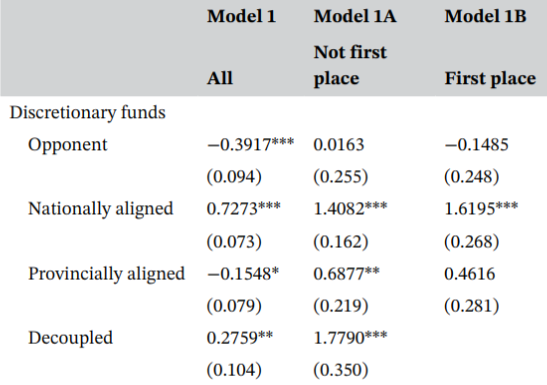
In @Gov_Journal @paduis @ludemeco @Tartagalensis @jjnegri4 study discretionary national transfers to municipalities in Argentina. Mayors aligned with national government, but opposed to provincial governor get most.
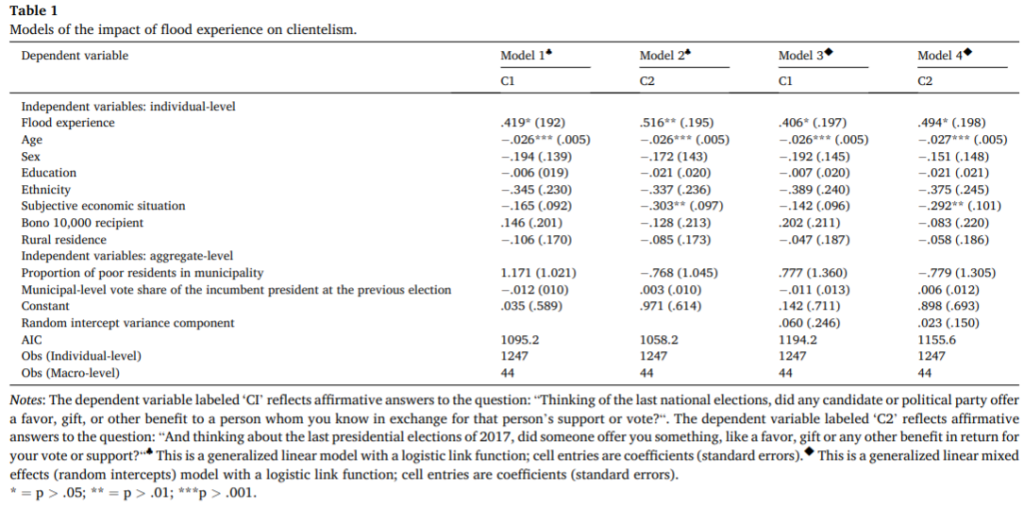
Birch, Sarah, and Ferran Martínez i Coma. 2023. “Natural Disasters and the Limits of Electoral Clientelism: Evidence from Honduras.” Electoral Studies 85 (October): 102651. https://doi.org/10.1016/j.electstud.2023.102651.
In @ElectoralStdies Birch & Ferran Martínez i Coma argue natural disasters can increase clientleism because more money is available to distribute and people have more need. Find relation using LAPOP data on Honduras.
#8 – 14.07.2023 and 24.08.2023
Goals of participatory institutions in Latin America – Influence of protest on politicians’ speech in the UK – Citizens’ acceptance of politicians’ undemocratic behaviour in 5 democracies – Neighbourhood disadvantage & turnout in the US – Wealth gap & voting in Sweden
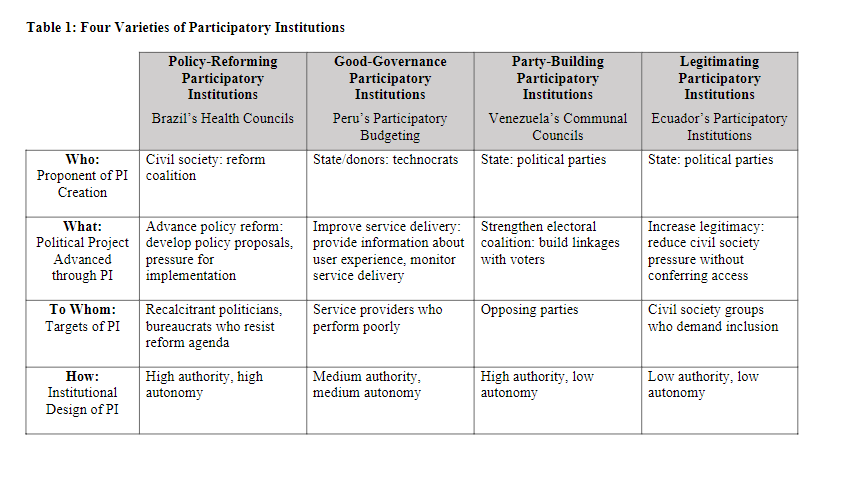
Mayka, Lindsay, and Jared Abbott. 2023. “Varieties of Participatory Institutions and Interest Intermediation.” World Development 171 (November): 106369. https://doi.org/10.1016/j.worlddev.2023.106369.
In @WorldDevJournal @LindsayMayka & Abbott develop participatory institutions typology with lens of interest intermediation. 🇧🇷🇻🇪🇵🇪🇪🇨. Goals vary: policy reform, improve services etc. Argue that success should be measured according to goals.
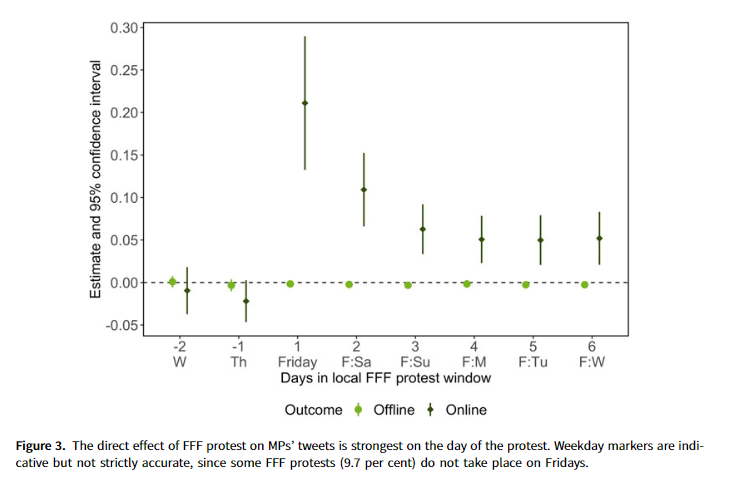
Barrie, Christopher, Thomas G. Fleming, and Sam S. Rowan. 2023. “Does Protest Influence Political Speech? Evidence from UK Climate Protest, 2017–2019.” British Journal of Political Science, August, 1–18. https://doi.org/10.1017/S0007123423000376.
In @BJPolS @cbarrie Fleming @_samsrowan ask: does protest influence political speech? Fine-grained crowd-sourced protest data from Fridays for the Future in the UK & politicians’ tweets & parliament speeches. Protest affects online but not offline speech.
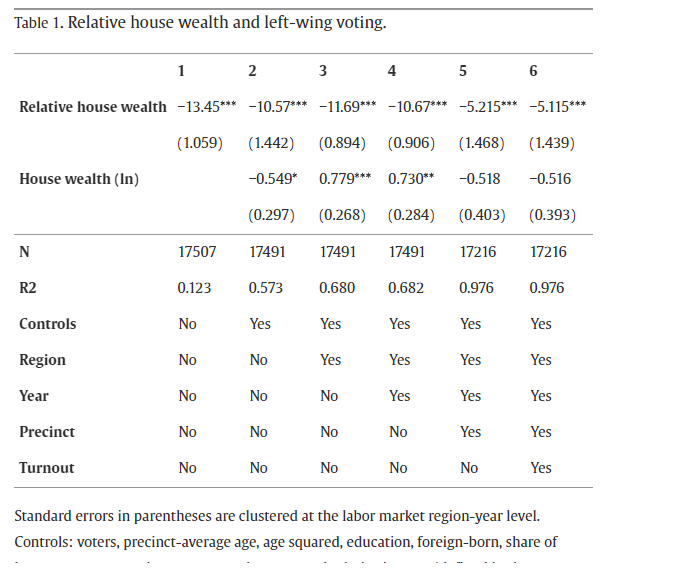
Frederiksen, Kristian Vrede Skaaning. 2023. “Do Partisanship and Policy Agreement Make Citizens Tolerate Undemocratic Behavior?” The Journal of Politics, August. https://doi.org/10.1086/726938.
In @The_JOP @kristianvsf studies effects of partisanship & policy agreement on acceptance of undemocratic behavior by politicians. Conjoints in 5 countries. Partisans voting intentions affected by undemocratic behavior as much as non-partisans
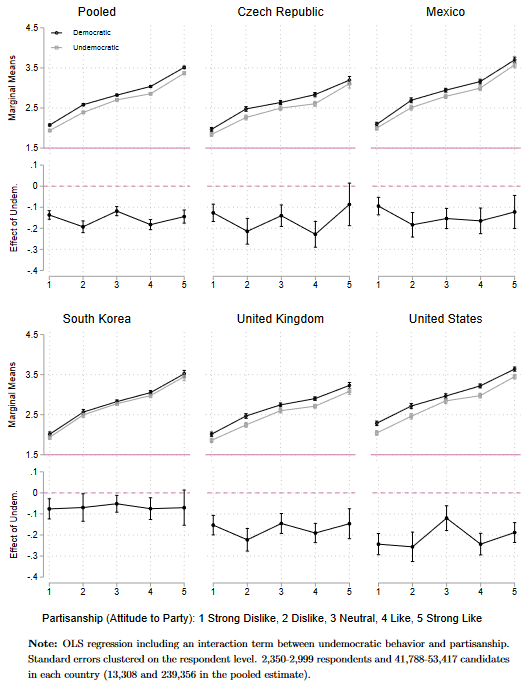
Elder, Elizabeth Mitchell, Ryan D. Enos, and Tali Mendelberg. 2023. “The Long-Term Effects of Neighborhood Disadvantage on Voting Behavior: The ‘Moving to Opportunity’ Experiment.” American Political Science Review, July, 1–17. https://doi.org/10.1017/S0003055423000692.
In @apsrjournal @elizabethmelder @RyanDEnos & @TMendelberg study causal effect of disadvantage on turnout. They exploit 🇺🇸 program randomly giving vouchers to move to better areas. Even when program improved economic outcomes, no effect on turnout
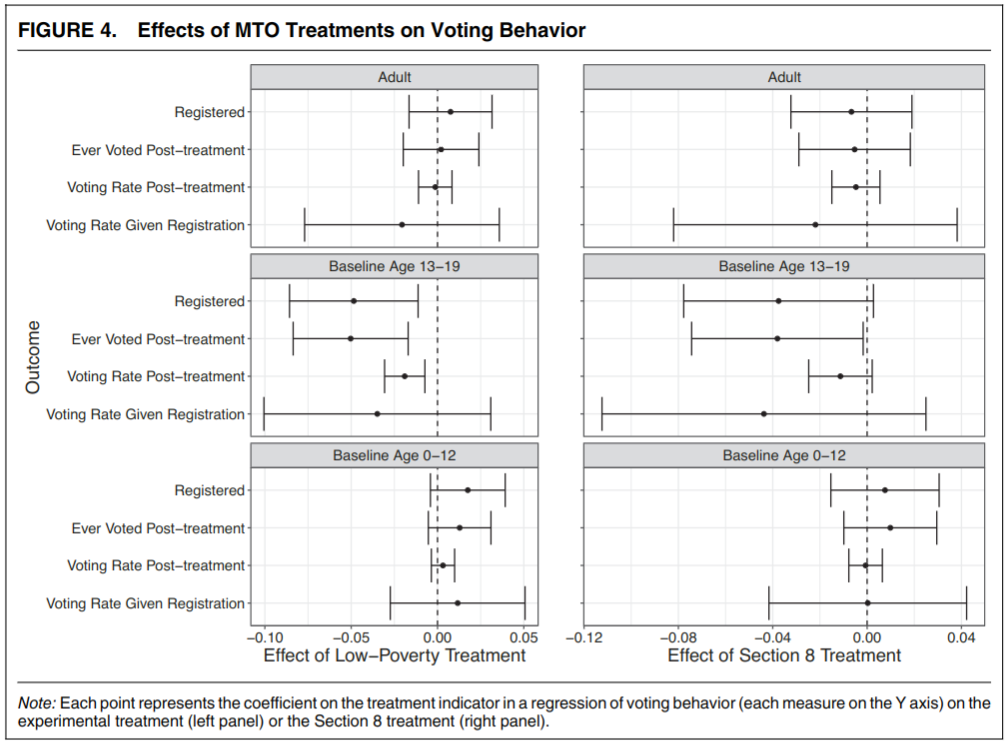
Brännlund, Anton, and Jan Szulkin. 2023. “How Does a Growing Wealth Gap Affect Voting? – Evidence from Sweden.” Electoral Studies 85 (October): 102647. https://doi.org/10.1016/j.electstud.2023.102647.
In @ElectoralStdies @BrannlundAnton & Szulki study how wealth gap affects voting. Use wealth data from Swedish electoral precincts between 1998 & 2006. Relative house wealth is stronger predictor of left-wing voting than absolute wealth.
#7 – 30.06.2023 and 13.07.2023
Decreasing political trust in Europe – Variation in incumbency rates across democracies – Electoral consequences of state violence in South Africa – Quid pro quo between politicians and contractors in India – Responsibility attribution amongst politicians in Norway
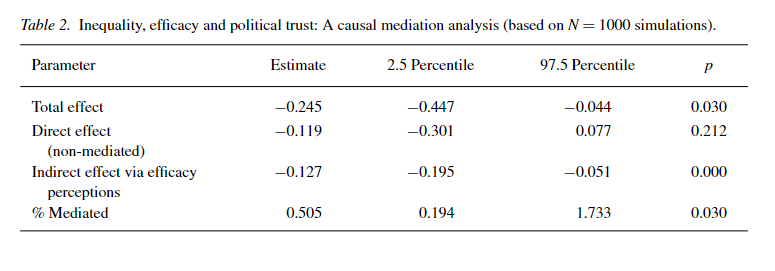
Bienstman, Simon, Svenja Hense, and Markus Gangl. n.d. “Explaining the ‘Democratic Malaise’ in Unequal Societies: Inequality, External Efficacy and Political Trust.” European Journal of Political Research n/a (n/a). Accessed July 4, 2023. https://doi.org/10.1111/1475-6765.12611.
In @EJPRjournal@SBienstman, @svhense & Gangl study the relationship between rising income inequality & lower political trust in Europe. With @ESS_Survey data & causal mediation analysis they show indirect effect of inequality on trust via external efficacy
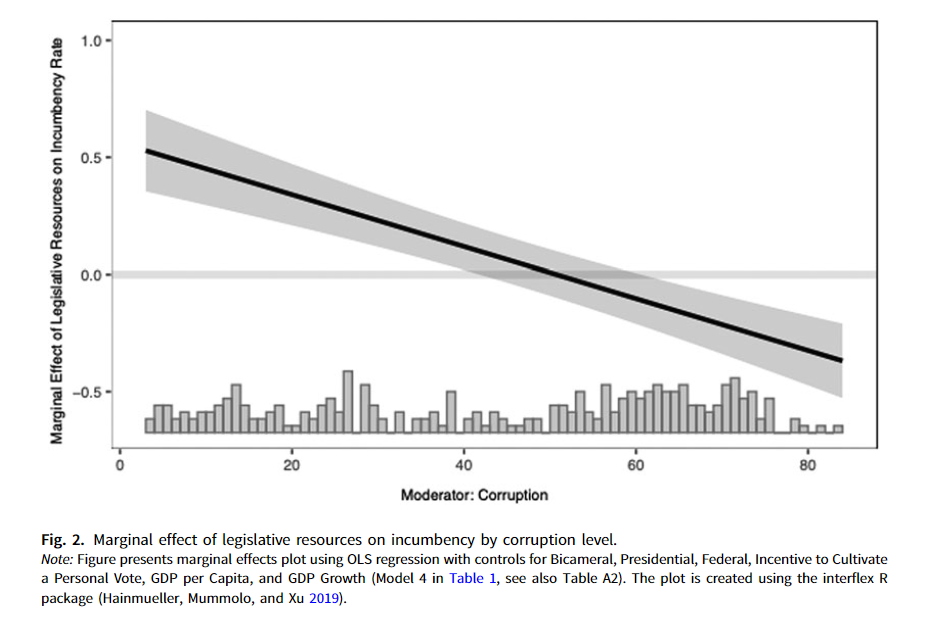
Martin, Shane, Charles T. McClean, and Kaare W. Strøm. 2023. “Legislative Resources, Corruption, and Incumbency.” British Journal of Political Science, July, 1–10. https://doi.org/10.1017/S0007123423000108.
In @BJPolS @shane_martin, @cmcclean & Strøm ask: what accounts for variation in re-election rates across democracies? Use IV regression & data covering >200 elections in 68 countries. Impact of legislative resources on re-election weakened by corruption
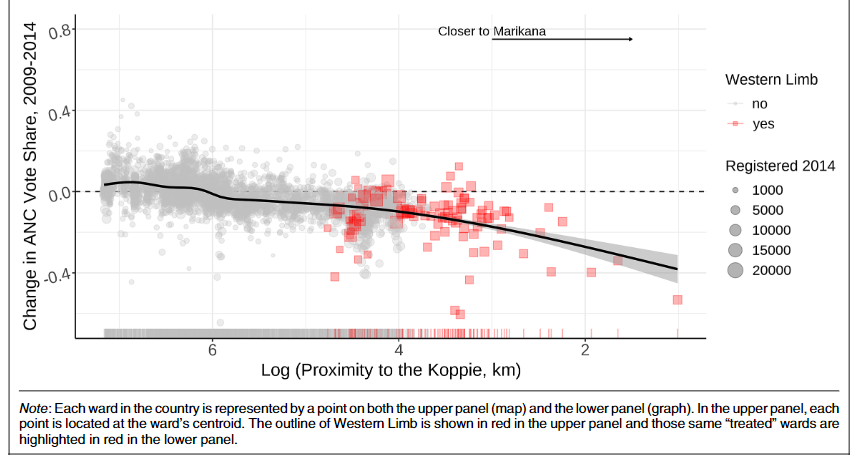
Daniel De Kadt, Ada Johnson-Kanu, and Melissa L. Sands. 2023. “State Violence, Party Formation, and Electoral Accountability: The Political Legacy of the Marikana Massacre,” American Political Science Review. (July 10, 2023). 1–21. https://doi.org/10.1017/S0003055423000448.
In @apsrjournal @dandekadt, @AdaJKanu & @melissaleesands study electoral consequences of state violence against striking mineworkers in South Africa. Show decline in ANC support in places close to massacre as supporters switch to new opposition party
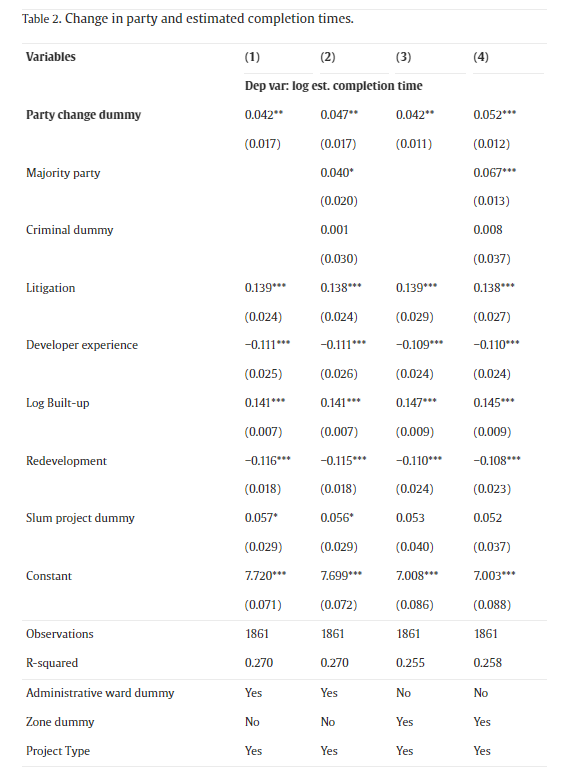
Vaidehi Tandel, Sahil Gandhi, and Alex Tabarrok. 2023. “Building Networks: Investigating the Quid pro Quo between Local Politicians & Developers,” Journal of Development Economics 164 (September 1, 2023). 103138. https://doi.org/10.1016/j.jdeveco.2023.103138.
In JDE @VaidehiTandel, @gandhisahil and @ATabarrok study local politicians and contractors’ collusion in Mumbai. Novel geocoded dataset of real estate projects. Incumbent defeat delays construction completion, suggesting turnover disrupts deals
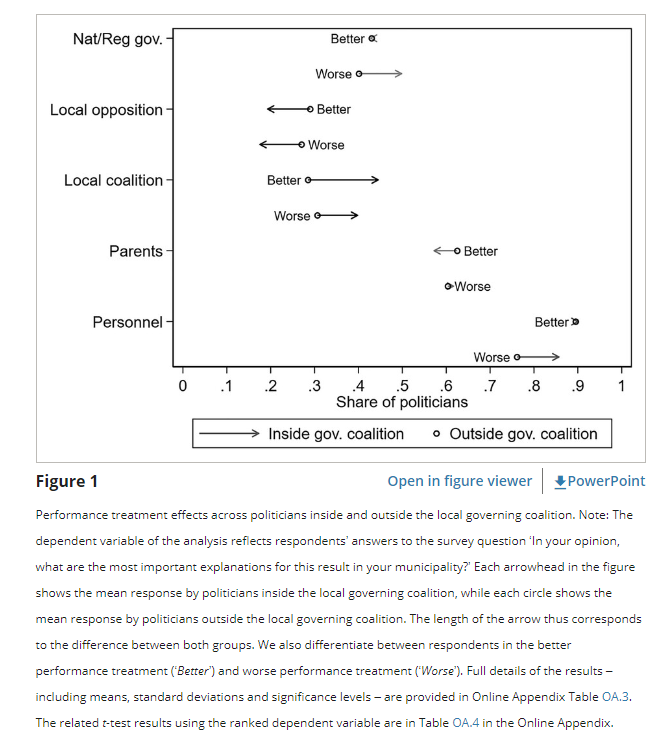
Nanna Lauritz Schönhage, Martin Bækgaard, and Benny Geys. “The Politics of Distributing Blame and Credit: Evidence from a Survey Experiment with Norwegian Local Politicians,” European Journal of Political Research n/a, no. n/a, (accessed July 13, 2023). https://doi.org/10.1111/1475-6765.12610.
In EJPR @NannaLauritz @MartinBaekgaard & Geys study responsibility attribution in education amongst politicians. Survey experiment in Norway. Coalition more prone to claim credit for successes, but credit mostly given to parents and school staff:
#6 – 16.06.2023 and 29.06.2023
Participatory institutions in Peru – Tax preferences in Norway – Erroneous politician beliefs about voter preferences – Origins of pensions in Norway – Citizen evaluations of clientelism in Tunisia & South Africa
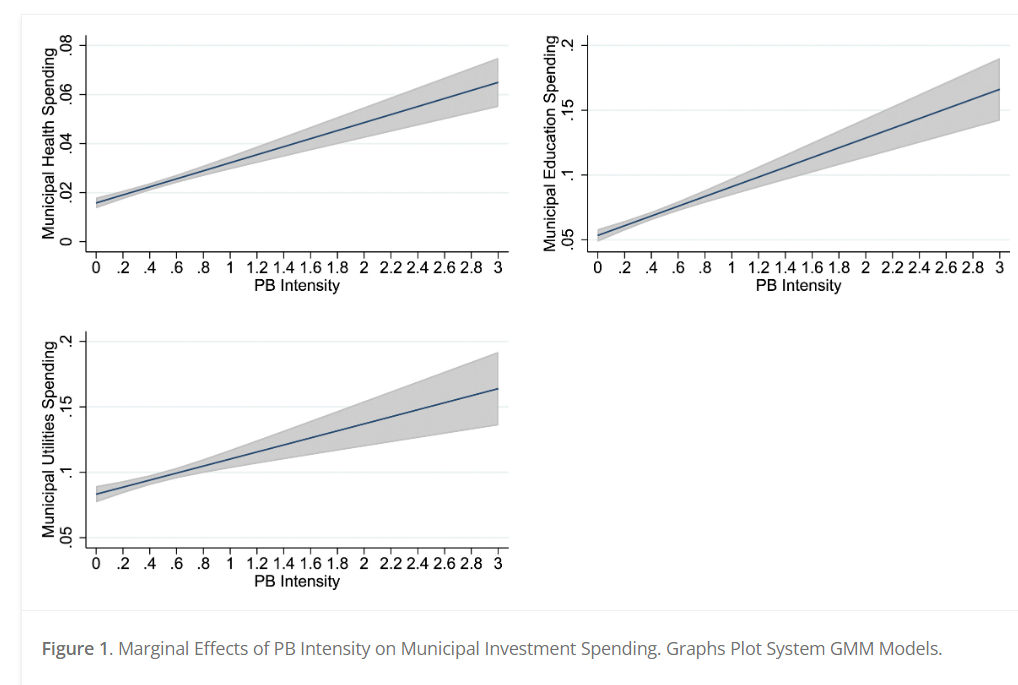
Abbott, Jared, Katherine McKiernan, and Stephanie McNulty. 2023. “Technocracy for the People? The Impact of Government-Imposed Democratic Innovations on Governance and Citizen Well-Being.” Comparative Political Studies, (June), https://doi.org/10.1177/00104140231178725.
2/6 In @cps_journal Abott @KMMcKiernan & McNulty ask if government imposed participatory institutions can work: in Peru, imposed participatory institutions in subnational governments increased pro-poor spending and improved citizen’s quality of life
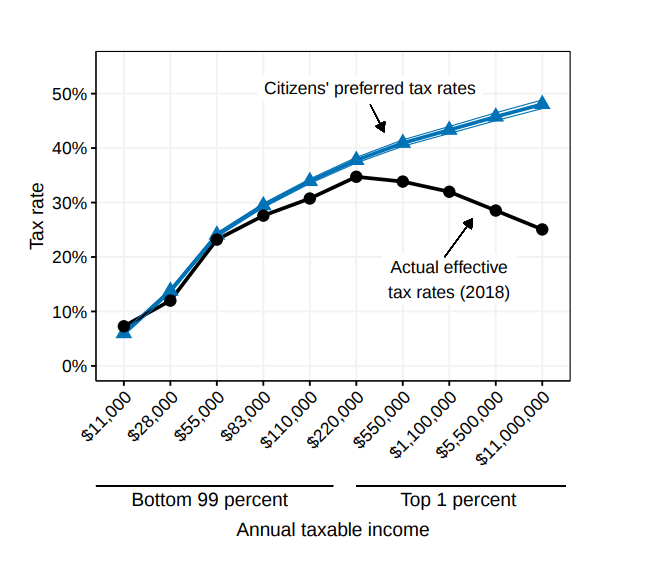
Mathisen, Ruber Berge. 2021. “Taxing the 1 Percent: Public Opinion vs. Public Policy.” https://unequaldemocracies.unige.ch/files/5116/3696/8692/wp29.pdf.
3/6 accepted in @BJPolS @rubenbmathisen compares actual tax schedule vs. preferred by citizens in Norway. Preferences very similar across ideology and income. Top 1% actually pays much less than what citizens would prefer. Discrepancy comes from capital income tax.
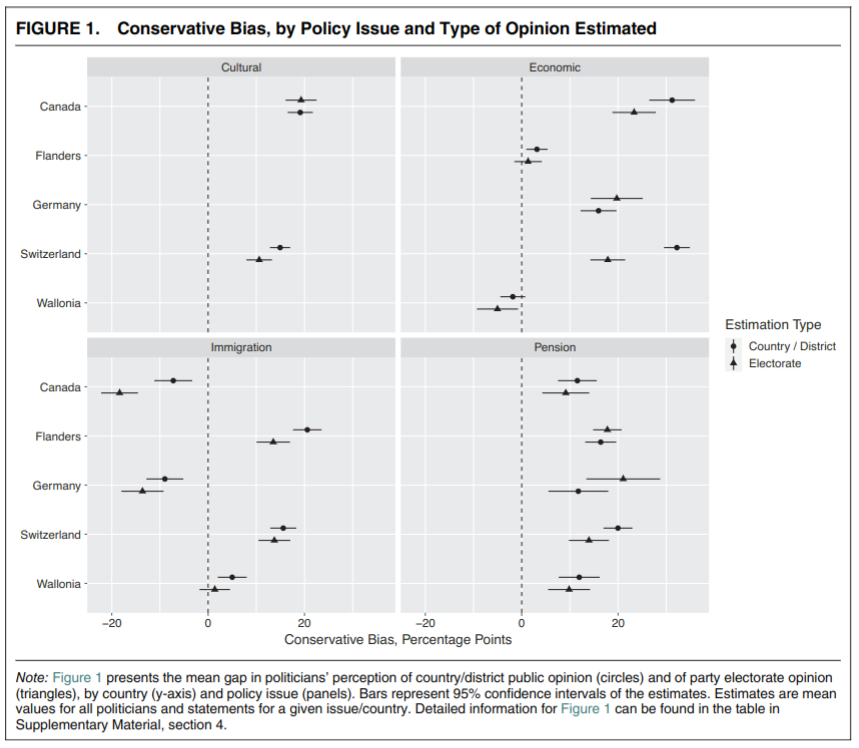
Pilet, Jean-Benoît, Lior Sheffer, Luzia Helfer, FREDERIC VARONE, RENS VLIEGENTHART, and STEFAAN WALGRAVE. 2023. “Do Politicians Outside the United States Also Think Voters Are More Conservative than They Really Are?” American Political Science Review, 1–9. https://doi.org/10.1017/S0003055423000527.
4/6 In @apsrjournal @jbpilet @LiorSheffer Helfer Varone @rensvl find that MPs in several European countries believe citizens are more conservative than what they actually are. This holds across several topics, but particularly for economic ones
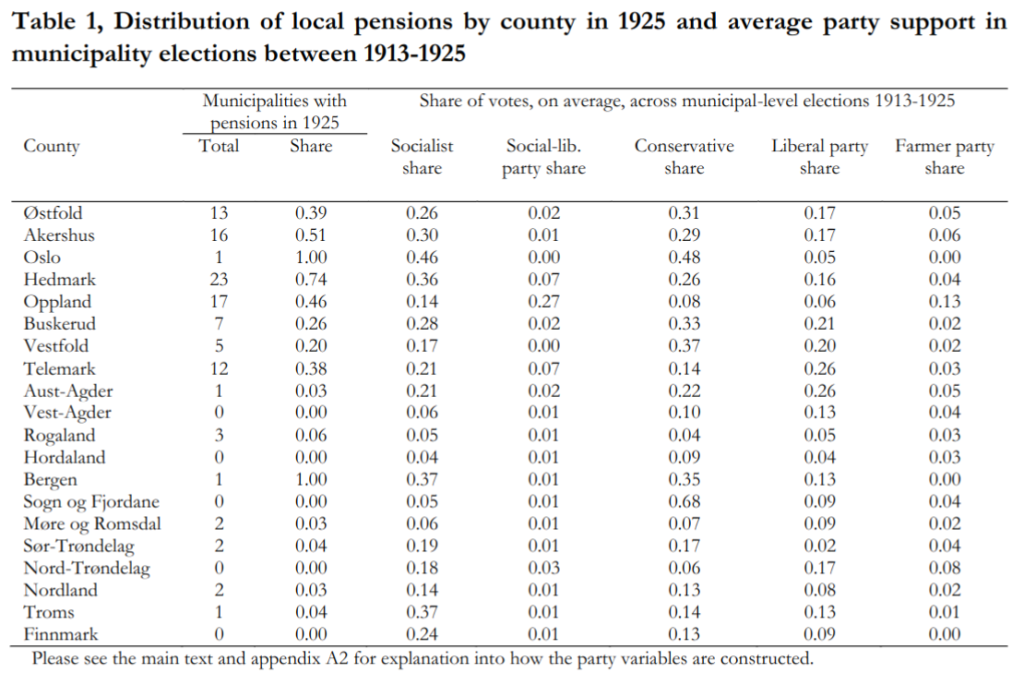
Rasmussen, Magnus, and Carl Knutsen. 2024. “Laying Down the Principles: How Local Socialist Achievements Spurred National Bourgeoise Support for Public Pensions.” World Politics, January. https://shorturl.at/bmrs1.
5/6 In @World_Pol @RasmussenMagnus @carlhknutsen argue historical adoption of redistributive pensions in Norway spurred by local politics. Socialists weak nationally but pushed system in local govs. This served as catalyst for the national level
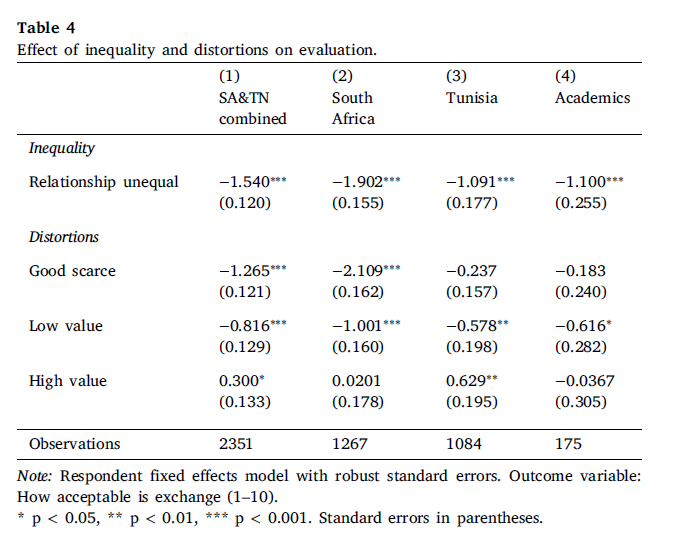
Pellicer, Miquel, and Eva Wegner. 2023. “What Is Bad about Clientelism? Citizen Perceptions in Poor Communities in South Africa and Tunisia.” Electoral Studies 84 (August): 102620. https://doi.org/10.1016/j.electstud.2023.102620.
6/6 In @ElectoralStdies, @mqpellicer & @EvaWegner_tw ask which elements of clientelism citizens in poor communities find unacceptable: particularism and inequality seen negatively but not distortions in public good allocations; conjoint in Tun & SA
#5 – 01.06.2023 and 15.06.2023
Campaign donations and regulatory enforcement in Colombia – Information provision and youth voting in Portugal – Bureaucratic responsiveness in Germany – A model of lobbying – Ethnic division and public goods provision worldwide
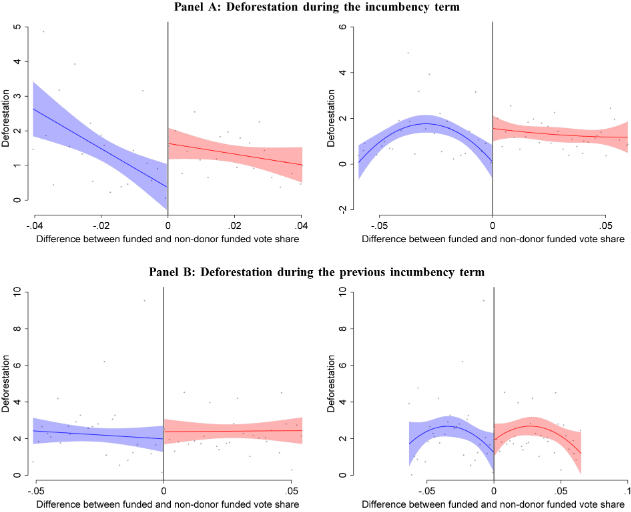
Harding, Robin, Mounu Prem, Nelson A. Ruiz, and David L. Vargas. 2023. “Buying a Blind Eye: Campaign Donations, Regulatory Enforcement, and Deforestation.” American Political Science Review, June, 1–19. https://doi.org/10.1017/S0003055423000412.
In @apsrjournal Harding Prem @nelson_ruizg @DavidLVargasM ask if campaign contributions affect enforcement of regulations. Close-elections RDD shows more deforestation in Colombian cities with donor-funded rather than self-funded mayors
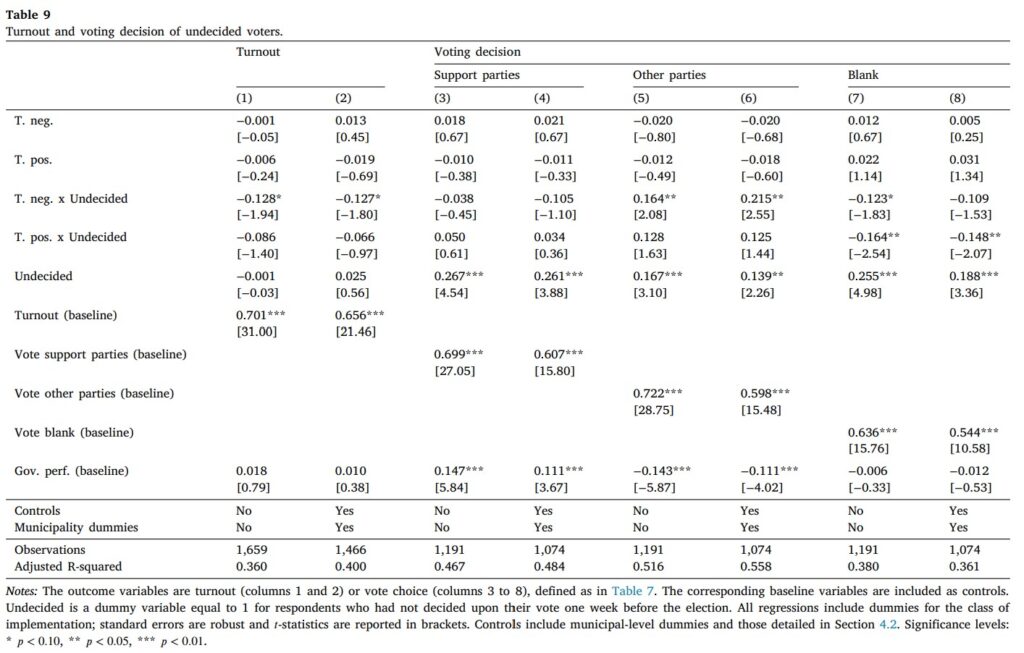
Carvalho, Bruno P., Cláudia Custódio, Benny Geys, Diogo Mendes, and Susana Peralta. 2023. “Information, Perceptions, and Electoral Behaviour of Young Voters: A Randomised Controlled Experiment.” Electoral Studies 84 (August): 102625. https://doi.org/10.1016/j.electstud.2023.102625.
In @ElectoralStdies @bmpcarvalho @claudiacustodi0 Geys @diogogmmendes @speraltalisboa study effect of providing government performance information on young voters in Portugal. Affects voting behavior of undecided. Stronger impact of negative information
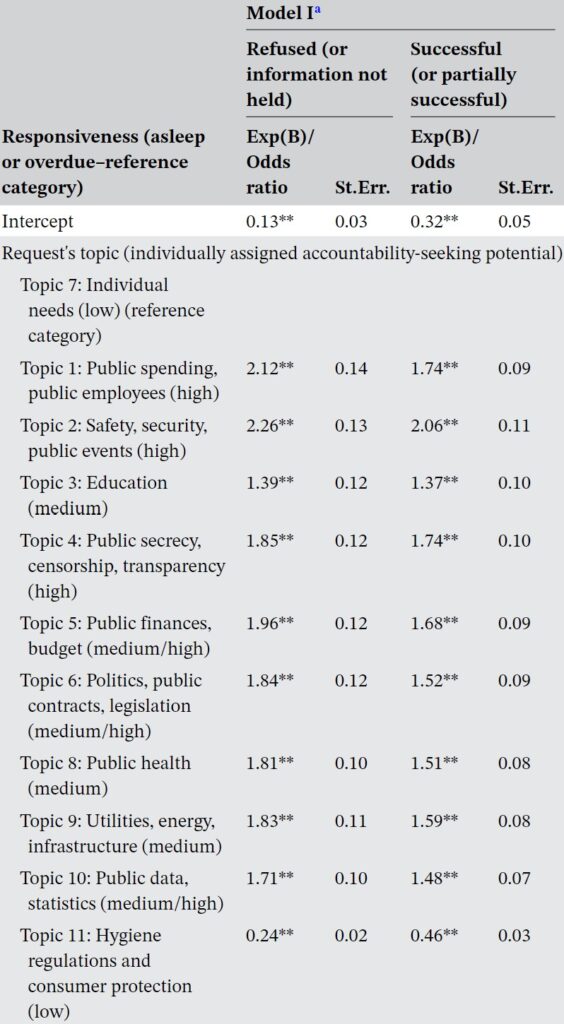
Trautendorfer, Julia, Lisa Schmidthuber, and Dennis Hilgers. 2023. “Are the Answers All out There? Investigating Citizen Information Requests in the Haze of Bureaucratic Responsiveness.” Governance n/a (n/a). https://doi.org/10.1111/gove.12805.
In @Gov_Journal @JTrautendorfer @LSchmidthuber @PuMa_Hilgers study bureaucratic responsiveness to citizens. Examine 100,000 requests using big data methods. Requests on high-accountability topics like public spending more likely to be answered than individual
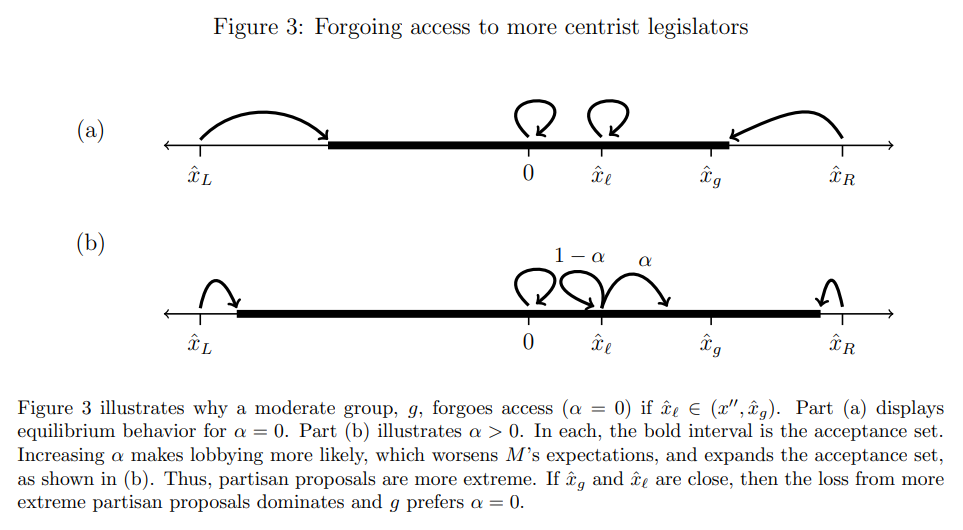
Judd, Gleason. 2023. “Access to Proposers and Influence in Collective Policy Making.” The Journal of Politics, January, 000–000. https://doi.org/10.1086/723992.
In @The_JOP Judd’s model of lobbying. The mere fact of having access to a politician (even without actual lobbying effort) affects the strategic behavior of actors. Politicians can be hurt by giving access. Extreme politicians can end up being more targeted
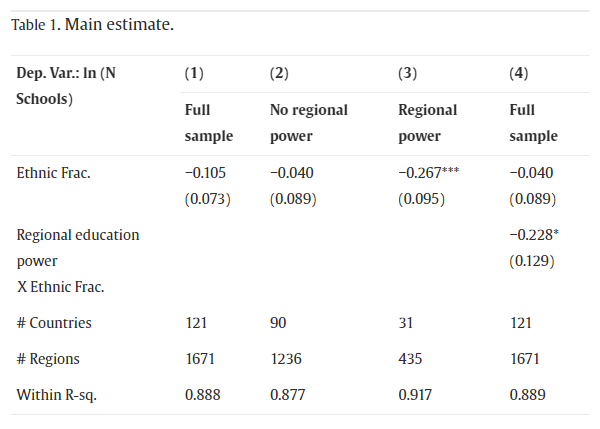
Seidel, André. 2023. “A Global Map of Amenities: Public Goods, Ethnic Divisions and Decentralization.” Journal of Development Economics 164 (September): 103113. https://doi.org/10.1016/j.jdeveco.2023.103113.
In JDE Seidel studies ethnic divisions and local public good provision. Novel OpenStreetMap worldwide data with amenities’ geocoded location. In countries with local power over spending, regions with high fractionalization provide fewer goods
#4 – 18.05.2023 and 31.05.2023
Redistributive preferences in Japan – Inequality in representation and local public goods in Finland – Identifying the rich in Tanzania – Lobbyists into and from government in the US
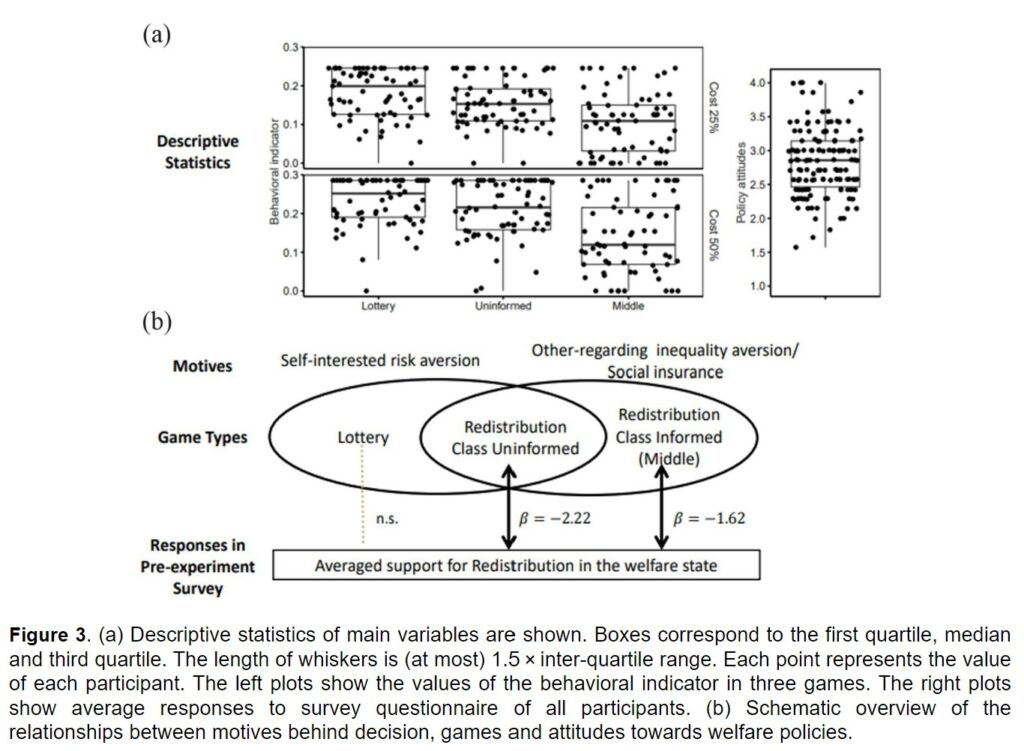
Junko Kato, Hirofumi Takesue. 2023. “The Presence of a Social Context Increases Support for Redistribution: Inequality Aversion and Risk Aversion”. International Political Science Review. (May 21, 2023). https://doi.org/10.1177/01925121231168833.
In @IPSR_Journal Kato & Takesue study if redistribution preferences come from risk aversion or inequality aversion. Lab experiment in Japan finds desired payoffs more equal when redistributing among people than when selecting lotteries for oneself
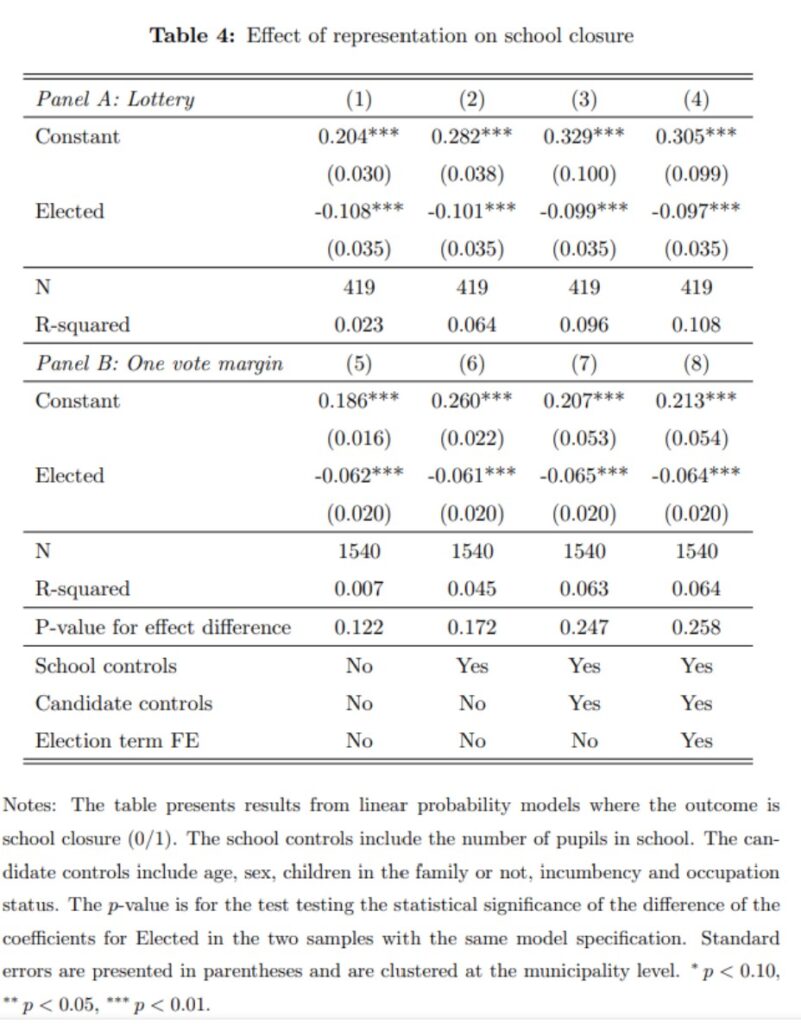
Oskari Harjunen, Tuukka Saarimaa, and Janne Tukiainen. 2023. “Love Thy (Elected) Neighbor? Residential Segregation, Political Representation, and Local Public Goods”. The Journal of Politics. (May 25, 2023). https://doi.org/10.1086/723983.
In @The_JOP @OHarjunen @tsaarimaa @JanneTukiainen study representation in Finnish local government. Candidates from richer neighbourhoods more likely to win. Using election ties solved by lottery, find local public bads less likely where elected live
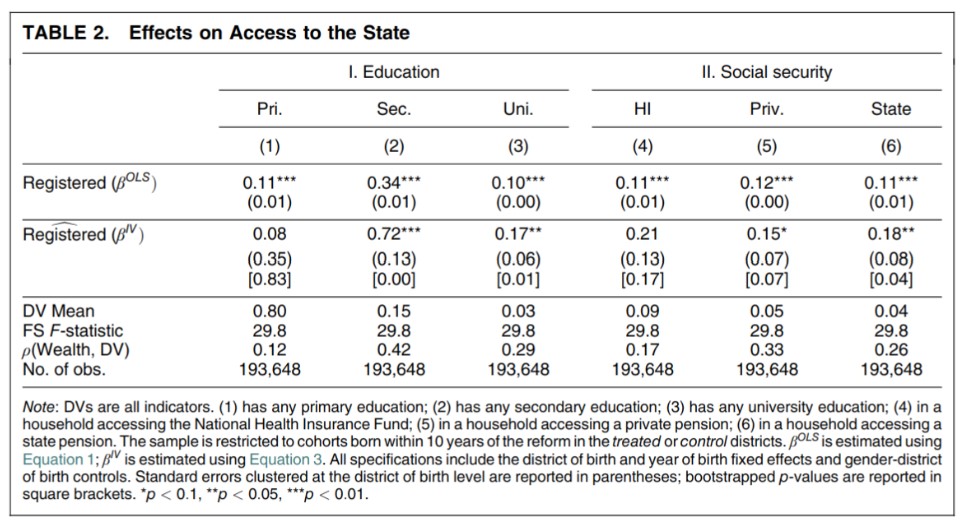
Bowles, Jeremy. 2023. “Identifying the Rich: Registration, Taxation, and Access to the State in Tanzania.” American Political Science Review, May, 1–17. https://doi.org/10.1017/S0003055423000394.
In @apsrjournal Bowles asks who registers with the state and why. Relevant for state capacity. Using a reform in Tanzania finds that citizens induced to register obtain more resources from the state but also pay more taxes
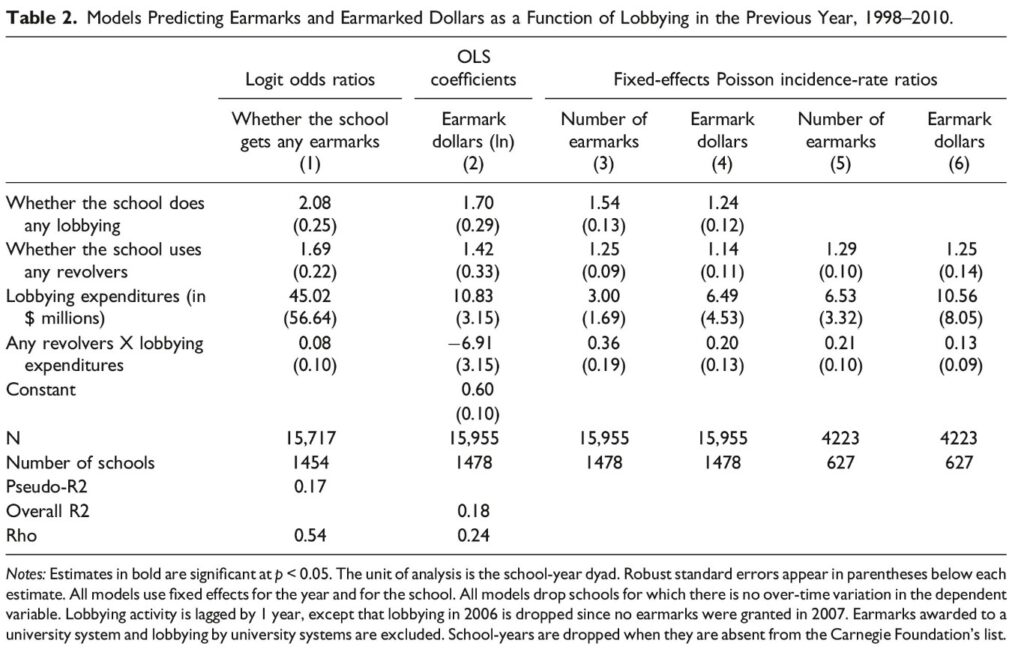
Amy Melissa McKay and Jeffrey Lazarus. “Policy Consequences of Revolving-Door Lobbying”. Political Research Quarterly. (May 24, 2023). https://doi.org/10.1177/10659129231177648.
In @PRQjournal @amymelissamckay @jlazarus001 study impact of conventional & revolving-door lobbying on spending bills benefitting US colleges with original panel data over 12 ys and FE. Revolving-door leads to more earmarks than conventional lobbying
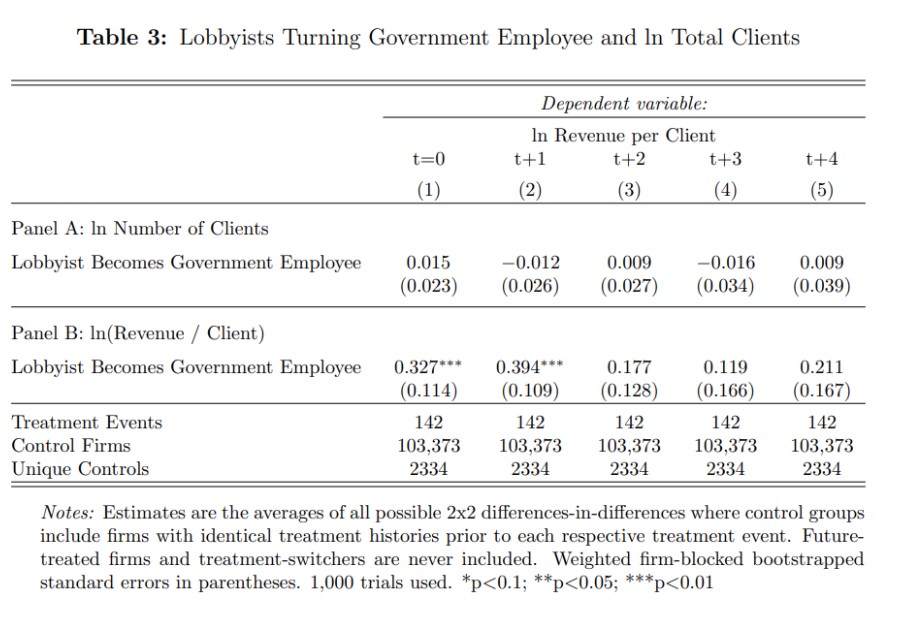
Benjamin C. K. Egerod and Joshua McCrain. 2023. “Lobbyists into Government“. Quarterly Journal of Political Science. https://doi.org/10.1561/100.00021196.
In QJPS @BCEgerod @joshmccrain study whether firms profit from lobbyists’ transition INTO government in the US. With panel data covering 20 yrs & a DiD approach they show connected lobbying firms’ revenue increases as clients pay more
#3 – 04.05.2023 and 17.05.2023
Electoral accountability in Uganda – Redistribution in authoritarian countries – Public service responsiveness to citizens’ interests in Sweden – Bias in ethnicity prediction in the US – Impact of dams on Global South citizens’ livelihoods
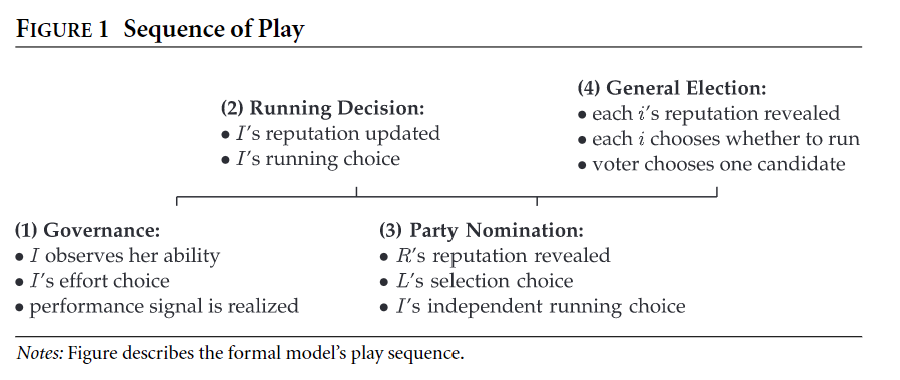
Grossman, Guy. 2023. “The Effect of Sustained Transparency on Electoral Accountability.” American Journal of Political Science. https://onlinelibrary.wiley.com/doi/full/10.1111/ajps.12787.
@AJPS_Editor @guygrossman @KGMichelitch @carloprato_ study transparency interventions and electoral accountability, considering party nominations, running decisions and challenger entry. Tested using field experiment with scorecards of Ugandan politicians
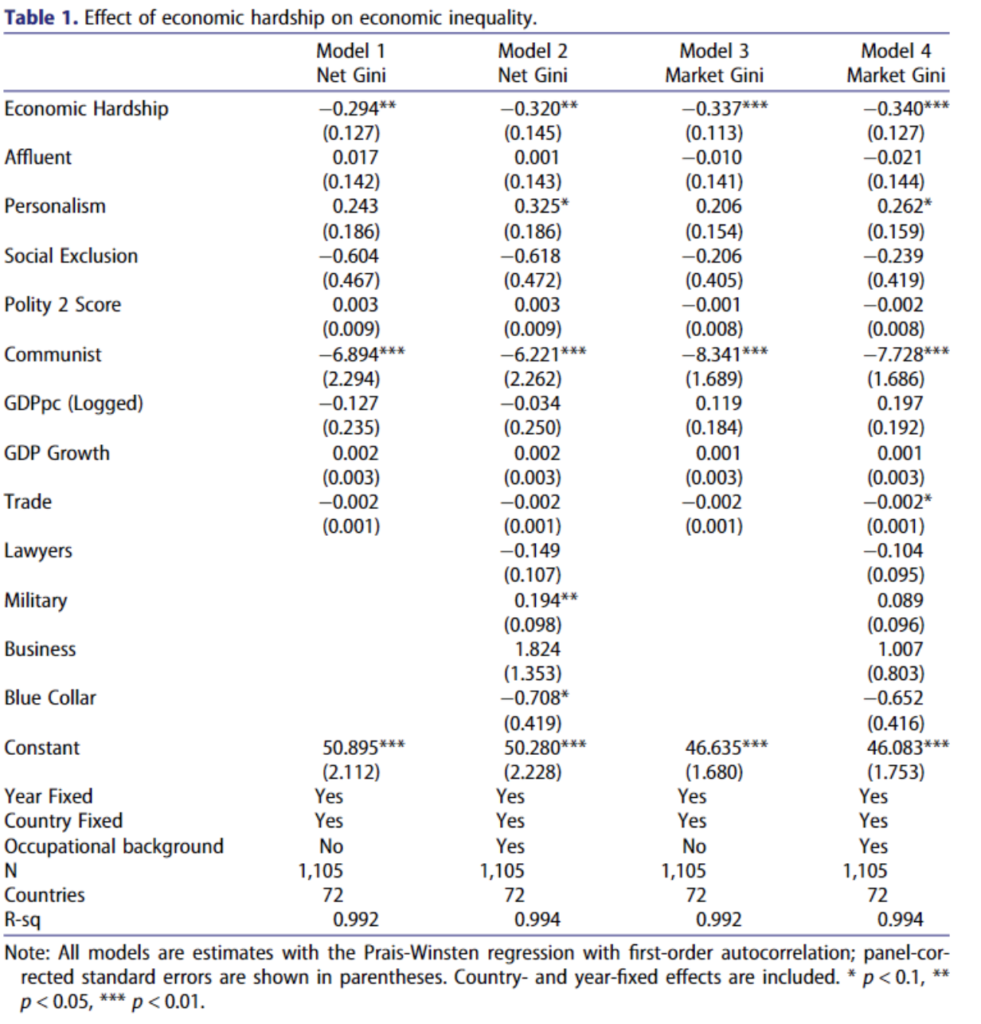
Han, Sung Min, and Kangwook Han. 2023. “Authoritarian Leaders, Economic Hardship, and Inequality.” Democratization 0 (0): 1–21. https://doi.org/10.1080/13510347.2023.2209022.
In @democ_journal Sung Min Han @KangwookHan study if dictators’ past economic hardship makes them prone to redistribution. Original data on leaders’ background covering 72 countries over 50 years shows negative association with economic inequality
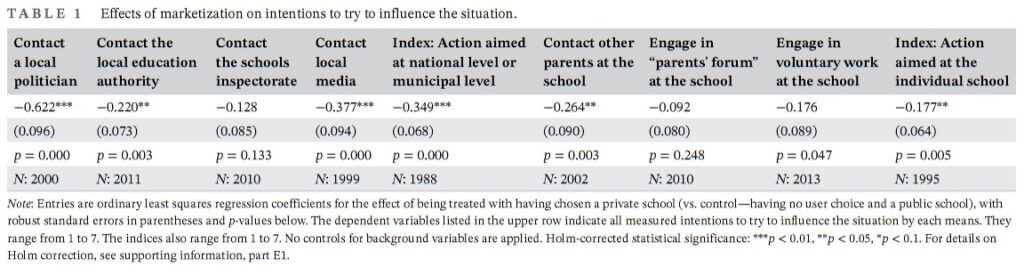
Johan Wejryd. 2023. “Pacified Citizens with a Marketized School System: Causal Evidence of Boomeranging Effects of User Choice” Governance: 1-19. https://doi.org/10.1111/gove.12793.
In @Gov_Journal Wejryd studies the impact of marketization on citizens’ willingness to participate in public service’s decision-making using a survey experiment in Sweden. Citizens are less willing to participate when assigned to private vs. public school
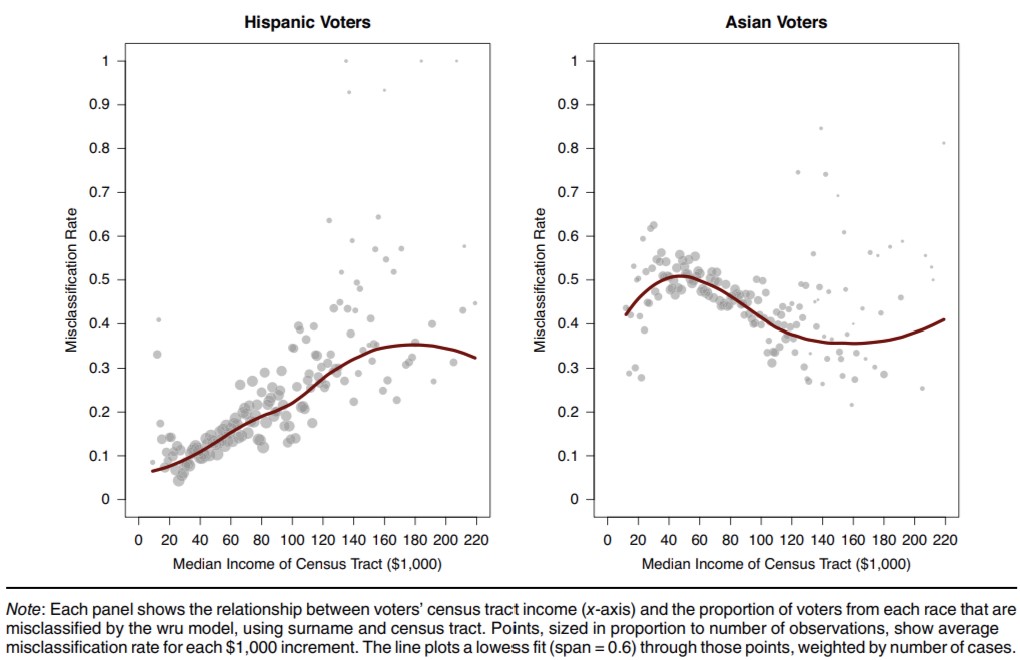
Argyle, Lisa P., and Michael Barber. 2023. “Misclassification and Bias in Predictions of Individual Ethnicity from Administrative Records.” American Political Science Review, May, 1–9. https://doi.org/10.1017/S0003055423000229.
In @apsrjournal @lpargyle @mbarber83 study mistakes in ethnicity prediction approaches that rely on census & geographic data. They show biases affecting non-whites in wealthier areas in the US & propose a machine learning approach to reduce error

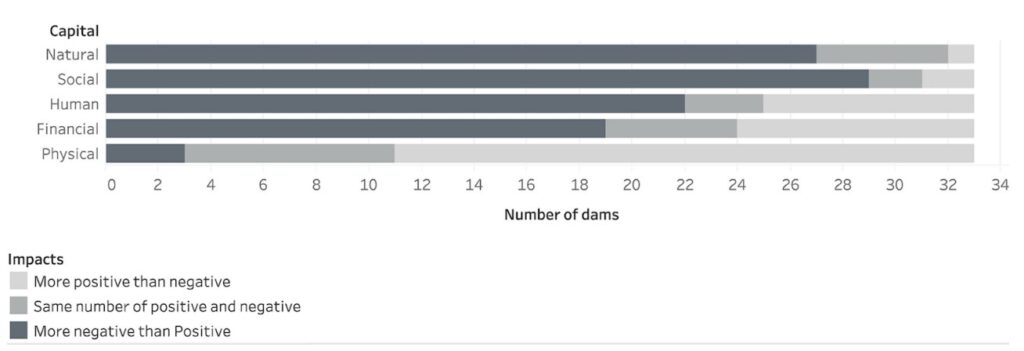
Castro-Diaz, Laura, María Alejandra García, Sergio Villamayor-Tomas, and Maria Claudia Lopez. 2023. “Impacts of Hydropower Development on Locals’ Livelihoods in the Global South.” World Development 169 (September): 106285. https://doi.org/10.1016/j.worlddev.2023.106285.
In @WorldDevJournal @CastroDiazLaura @MariaAleGarciaO Villamayor-Tomas @mariaclopez2020 study how 33 dams affect local communities in terms of capital using meta-analysis & fsQCA. Impacts on natural, social, human, & financial capital are mostly negative
#2 – 20.04.2023 and 04.05.2023
Housing & crime in South Africa – Representation & housing in the US – Attitudes towards the welfare state & migration levels in Germany – Citizens’ view of democracy in Latin America – Female representation & legitimacy in Jordan, Morocco & Tunisia
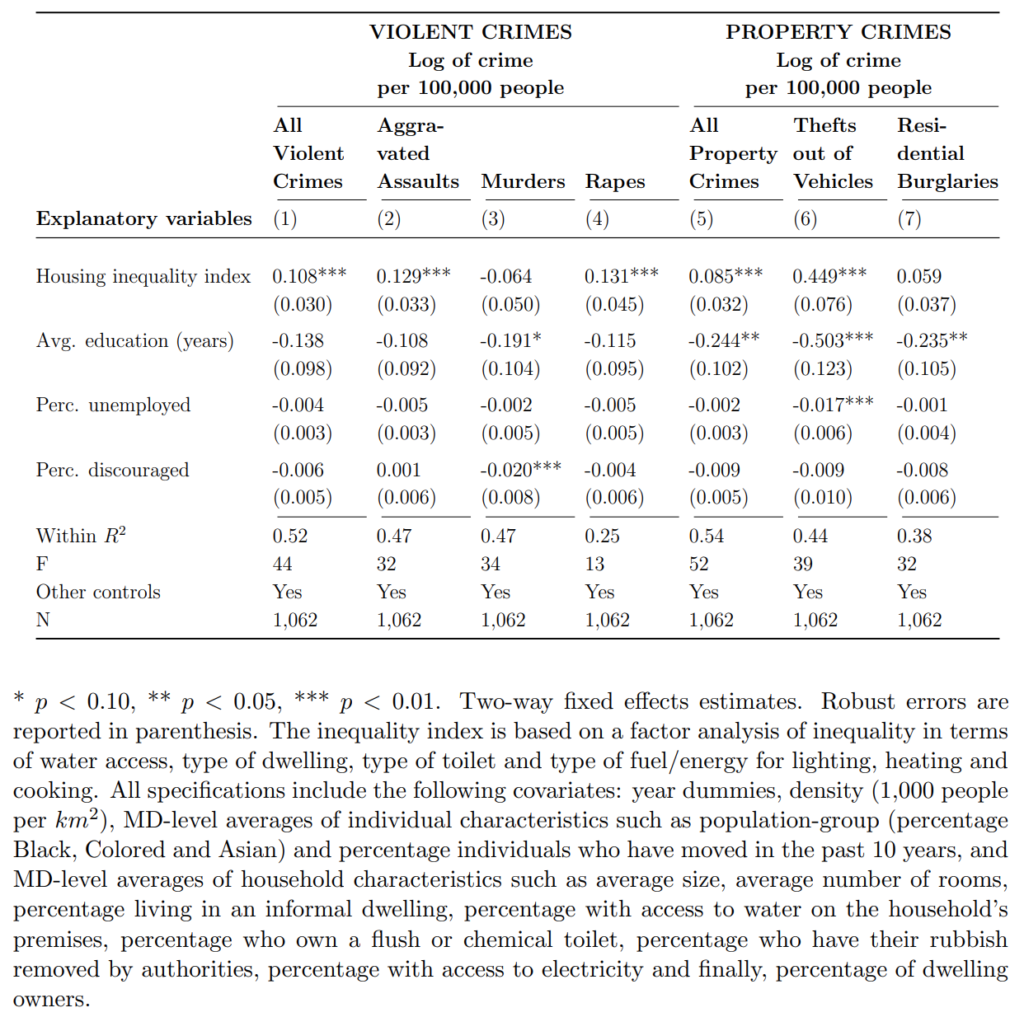
Manea, Roxana Elena, Patrizio Piraino, and Martina Viarengo. 2023. “Crime, Inequality and Subsidized Housing: Evidence from South Africa.” World Development 168 (August): 106243. https://doi.org/10.1016/j.worlddev.2023.106243.
In @WorldDevJournal Manea @PatrizioPiraino Viarengo study the effect of housing inequality on crime in South Africa. They exploited a housing program that reduced inequality to estimate with fixed effects. Housing inq is associated to more & different crimes
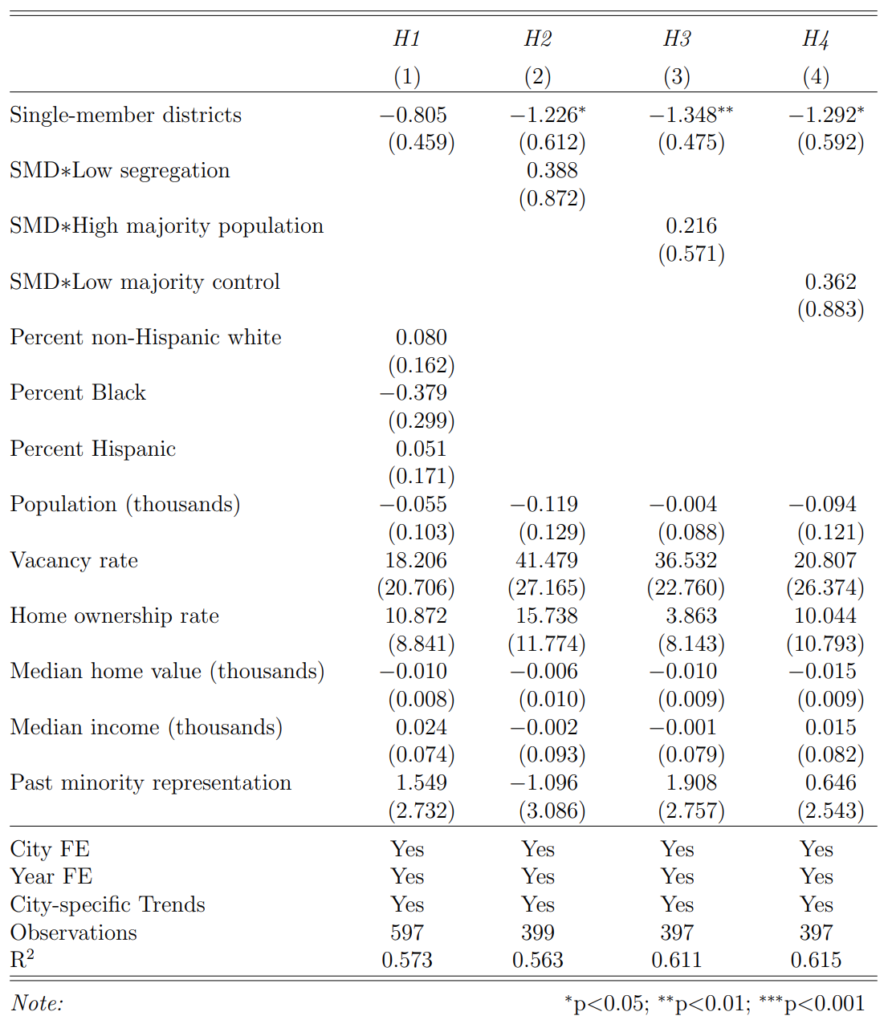
Hankinson, Michael, and Asya Magazinnik. 2023. “The Supply-Equity Trade-Off: The Effect of Spatial Representation on the Local Housing Supply.” The Journal of Politics, January, 000–000. https://doi.org/10.1086/723818.
In @The_JOP @msgHankinson & Magazinnik. A US local electoral rule change that changed representation affected local public bads. Smaller districts allow worse off neighborhoods to better block bads, leading to underprovision: an equity-supply trade-off
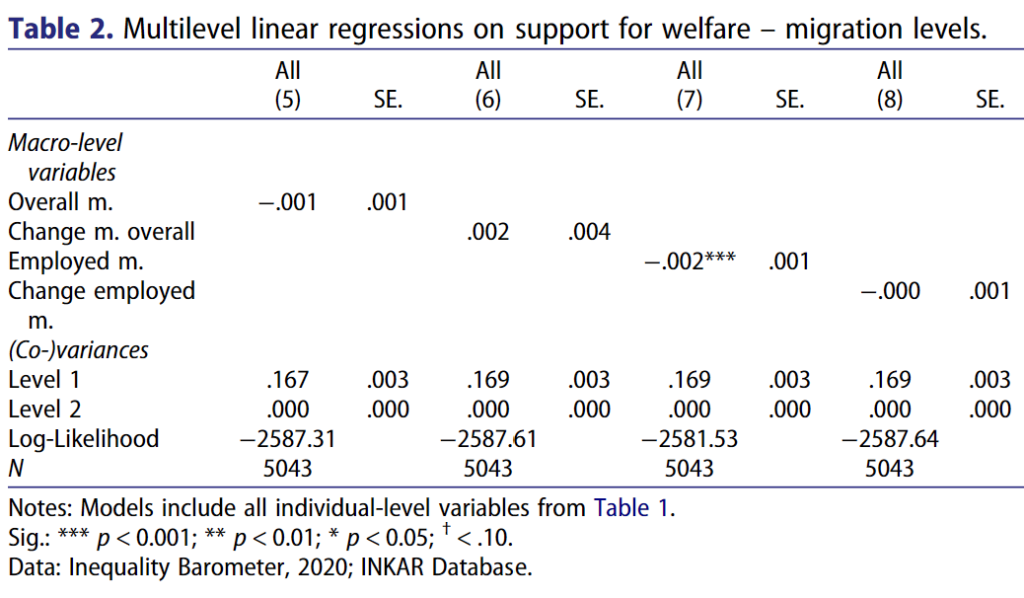
Eick, Gianna M., and Marius R. Busemeyer. 2023. “Migration Levels and Welfare Support: Evidence from the Local Level.” Journal of European Public Policy 0 (0): 1–33. https://doi.org/10.1080/13501763.2023.2195440.
In @jepp_journal @giannaeick @mariusbusemeyer study welfare state support and migration levels across small regions in Germany using the Inequality Barometer from @EXCInequality. Support is lower where there are more migrants, particularly those employed
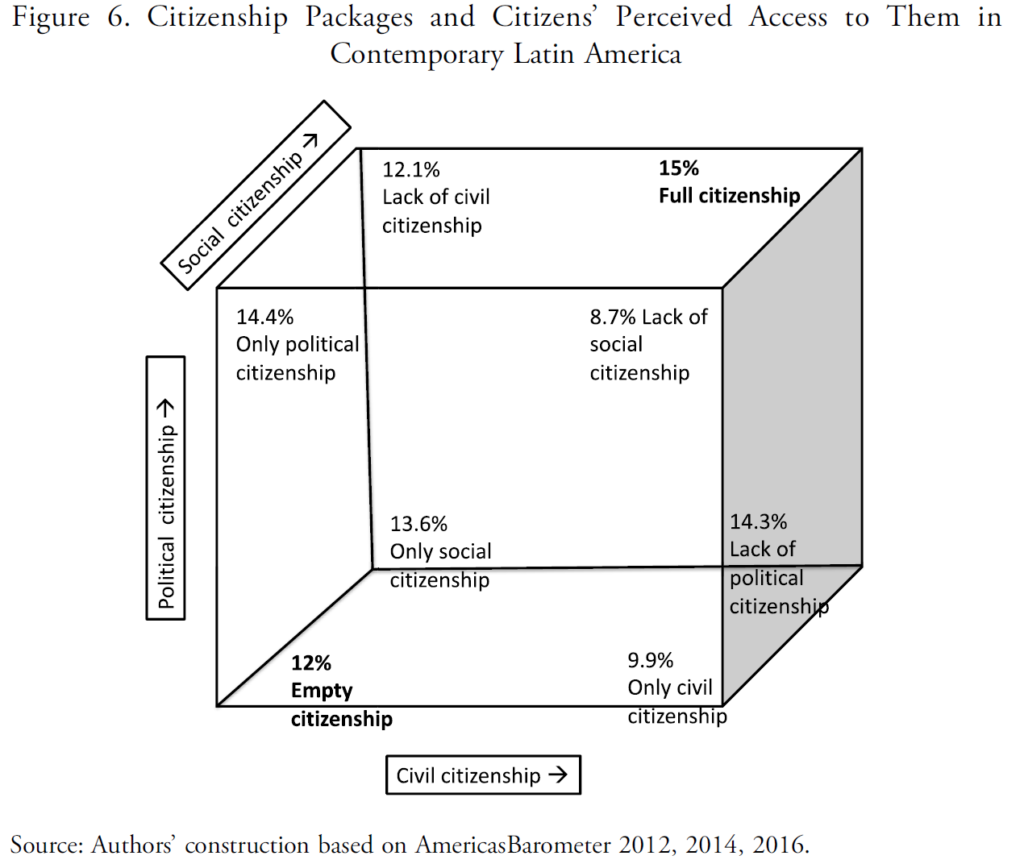
Luna, Juan Pablo, and Rodrigo M. Medel. 2023. “Uneven States, Unequal Societies, and Democracy’s Unfulfilled Promises: Citizenship Rights in Chile and Contemporary Latin America.” Latin American Politics and Society 65 (2): 170–96. https://doi.org/10.1017/lap.2022.59.
In @LAPSjournal @anulolbapnauj @Rodrigo_Medel_S develop a framework to study how citizens view democracy by differentiating civil, political, and social citizenship. Survey data from 18 LA countries shows few perceive citizenship in all 3 dimensions
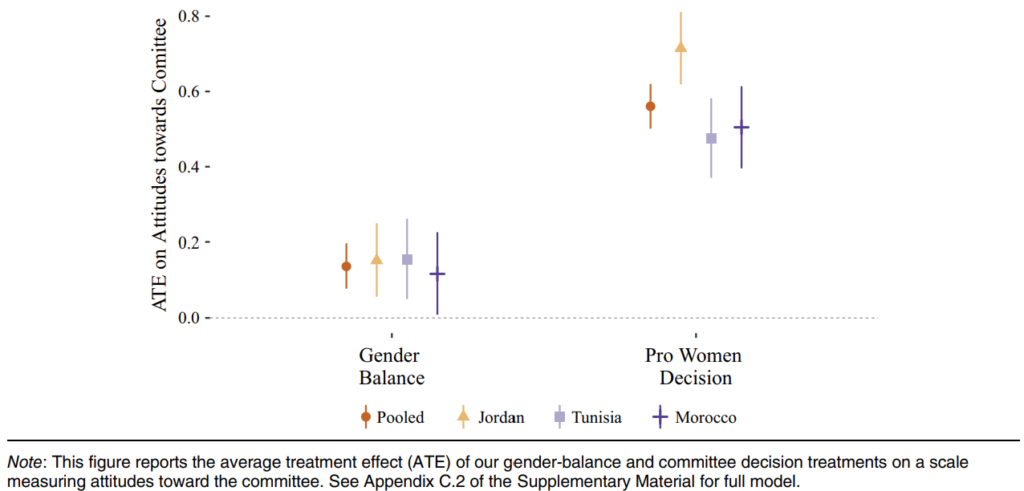
Kao, Kristen, Lust, Ellen, Shalaby, Marwa and Weiss, Chagai M.. “Female Representation and Legitimacy: Evidence from a Harmonized Experiment in Jordan, Morocco, and Tunisia.” American Political Science Review, 2023, 1–9. doi:10.1017/S0003055423000357
In @apsrjournal @kristenkao @EllenMLust @MarwaShalaby12 @chagai_weiss study citizens’ perceptions of legislative bodies’ processes & decisions using survey experiments in Jordan, Morocco and Tunisia. Gender balance and pro-women decisions boost legitimac
#1 – 06.04.2023 and 20.04.2023
Policy congruence in Europe – Policy responsiveness in Sweden – Support for the welfare state in 9 OECD countries – Political dividends of housing policies in Brazil – Identifying deprived areas in Ghana.
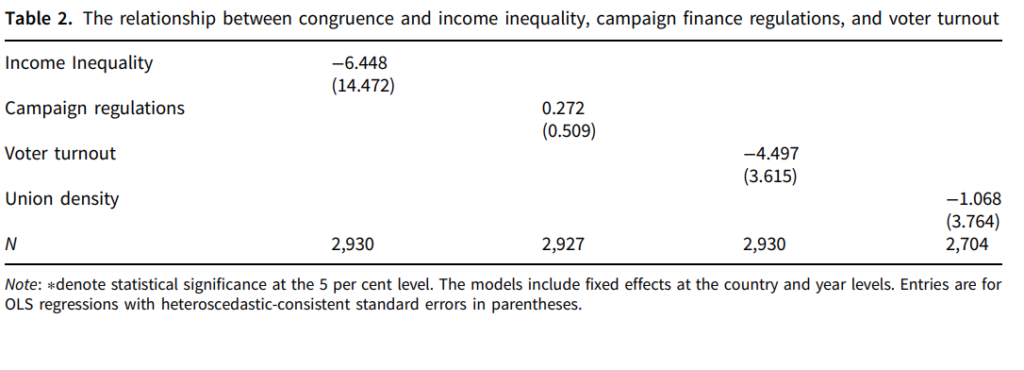
Persson, Mikael, and Anders Sundell. 2023. “The Rich Have a Slight Edge: Evidence from Comparative Data on Income-Based Inequality in Policy Congruence.” British Journal of Political Science, April, 1–12. https://doi.org/10.1017/S0007123423000066.
In @BJPolS @ProfPersson and @sundellviz study the public opinion-policy link in 30 European countries over 40 years. They show consistent evidence of affluence bias but standard explanations fail to account for the pattern.
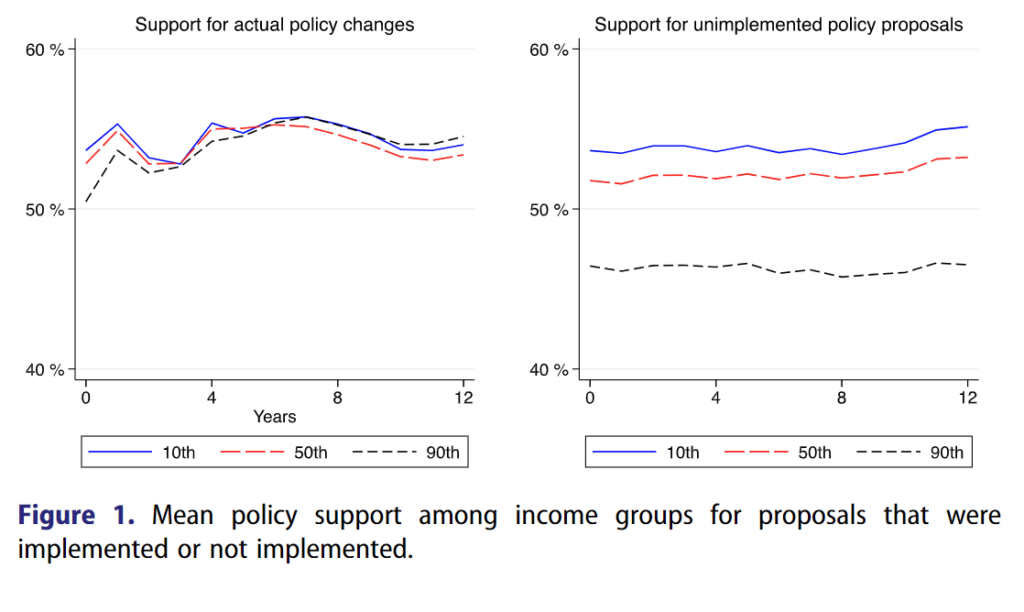
Persson, Mikael. 2023. “Who Got What They Wanted? Investigating the Role of Institutional Agenda Setting, Costly Policies, and Status Quo Bias as Explanations to Income Based Unequal Responsiveness.” Journal of European Public Policy 0 (0): 1–23.
https://doi.org/10.1080/13501763.2023.2177323.
In @jepp_journal @ProfPersson looks at drivers of policy responsiveness inequality in Sweden. Status quo bias conflicts with the aspirations of poorer voters, who are more in favor of change than the wealthy.
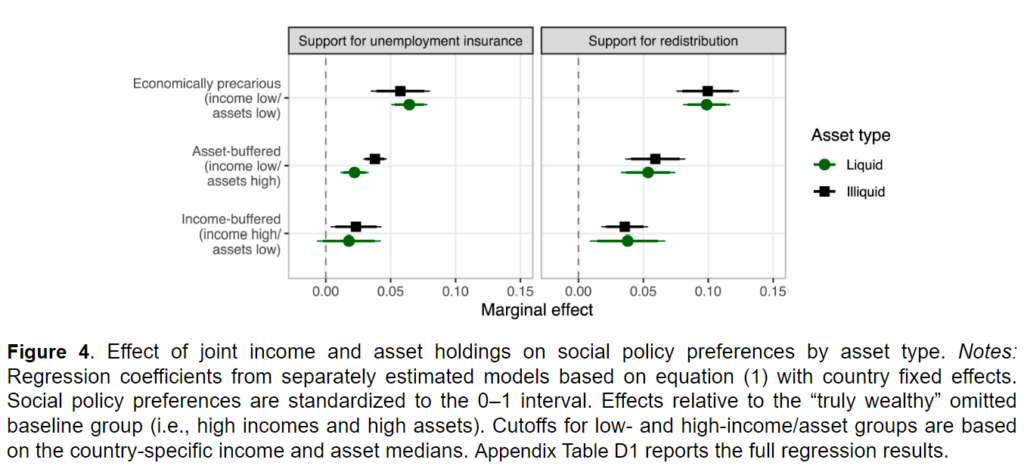
Jensen, Amalie Sophie and Wiedemann, Andreas. 2023. “Cross-National Support for the Welfare State Under Wealth Inequality.” Comparative Political Studies, March. https://journals.sagepub.com/doi/abs/10.1177/00104140231168364..sagepub.com/doi/abs/10.1177/00104140231168364 .
@AmalieJensen_ and @abwiedemann’s paper in @cps_journal argue welfare state preferences depend on one’s joint position in the income AND asset distributions. They show evidence of this from original survey in 9 OECD countries.
Bueno, Natália S., Cesar Zucco, and Felipe Nunes. 2023. “What You See and What You Get: Direct and Indirect Political Dividends of Public Policies.” British Journal of Political Science, April, 1–20. https://doi.org/10.1017/S0007123423000017.
In @BJPolS @nataliasbueno Zucco & @felipnunes use surveys and DiD to study the political payoffs of a housing program in Brazil. Policy implementation boosts support for incumbents. Effect driven counterintuitively by non-beneficiaries.
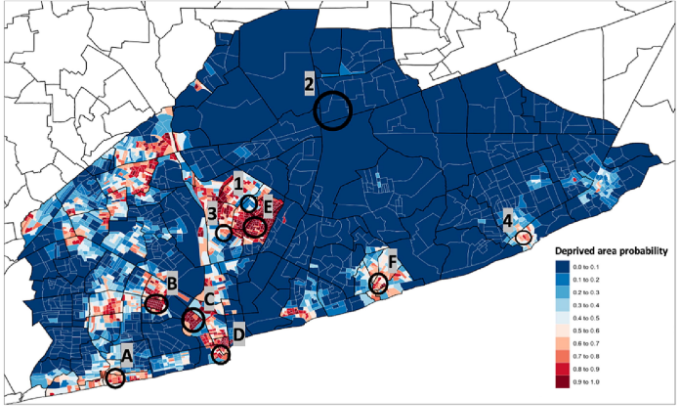
MacTavish, Robert, Honor Bixby, Alicia Cavanaugh, Samuel Agyei-Mensah, Ayaga Bawah, George Owusu, Majid Ezzati, et al. 2023. “Identifying Deprived ‘Slum’ Neighbourhoods in the Greater Accra Metropolitan Area of Ghana Using Census and Remote Sensing Data.” World Development 167 (July): 106253. https://doi.org/10.1016/j.worlddev.2023.106253.
In @WorldDevJournal, MacTavish @hrhbixby Cavanaugh Agyei-Mensah Bawah Owusu Ezzati @raphazi1 @brianer Robinson Schmidt and @jillcbaum use spatial modeling and census and satellite data to identify deprived areas in Accra, a modeling approach reproducible in other areas.